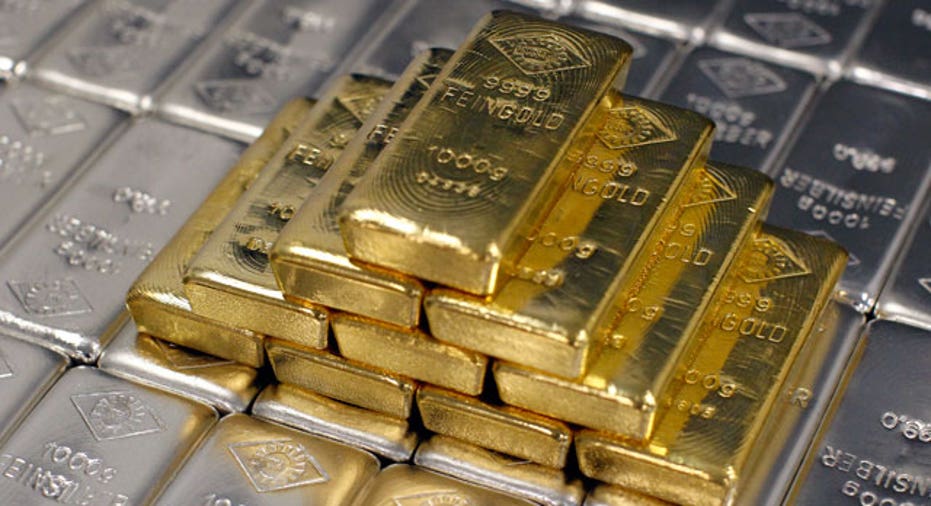
Precious metals markets experienced a dramatic reversal on Thursday, with gold and silver prices tumbling in a broad-based selloff that caught many traders off guard and underscored the heightened volatility gripping global financial markets.
Spot gold plummeted 2.5% to $4,838.81 per ounce as of 05:35 GMT, surrendering gains from a near one-week high reached earlier in the trading session. U.S. gold futures for April delivery fared slightly better but still dropped 1.9% to $4,855.60 per ounce, as investors reassessed their positions amid a rapidly changing macro environment.
The catalyst for the precious metals retreat appeared multifaceted, with analysts pointing to a resurgent U.S. dollar and emerging signs of diplomatic détente between Washington and Beijing as key drivers of the downturn.
The greenback surged to a near two-week high Thursday, drawing renewed strength from the nomination of Kevin Warsh as Federal Reserve chief—a development that appears to have reinvigorated currency markets and shifted trader sentiment.
“The dollar received a new lease of life with the Warsh nomination, and the currency has been able to keep making forward progress,” explained Tim Waterer, chief trade analyst at KCM. “Traders are more circumspect now on gold in light of recent extreme volatility.”
The dollar’s appreciation has direct implications for gold pricing, as the metal becomes more expensive for holders of other currencies, dampening international demand and putting downward pressure on prices.
The selloff extended well beyond precious metals, suggesting broader risk-off sentiment permeating global markets. Christopher Wong, a strategist at OCBC, painted a picture of cascading losses across multiple asset classes.
“Sentiment turned soggy across most asset classes, including precious metals, cryptocurrencies, and regional equities, with losses feeding into one another and creating a self-reinforcing feedback loop amid thin market liquidity,” Wong noted.
Asian equities stumbled Thursday, mirroring weakness in U.S. markets, where the technology sector has come under increasing pressure from concerns about the soaring costs of artificial intelligence investments—a narrative that has begun to unsettle even the most ardent tech bulls.
While gold’s decline was substantial, silver’s fall was nothing short of catastrophic. The white metal plummeted 14.9% to $74.94 an ounce—a stunning reversal for a commodity that had touched a record high of $121.64 just last week.
Market observers attributed silver’s sharp descent to evaporating industrial demand at elevated price levels. Kunal Shah, head of research at Nirmal Bang Commodities in Mumbai, indicated that practical buyers have stepped away from the market entirely.
“The industrial demand has vanished at the higher levels. Most of the industrial buyers have stopped buying silver, and even solar panel producers in China are looking for alternatives,” Shah said, highlighting how price-sensitive end users are actively seeking substitutes for the precious metal.
On the diplomatic front, developments suggest a potential easing of tensions that had previously supported precious metals as safe-haven assets. Iran and the United States have agreed to hold talks in Oman on Friday, according to officials from both nations—a rare instance of direct dialogue between the longtime adversaries.
Meanwhile, President Donald Trump characterized discussions with Chinese President Xi Jinping on Wednesday as “very positive,” announcing that China is considering increased purchases of U.S.-farmed soybeans. Such trade cooperation, if sustained, could reduce the geopolitical risk premium that has helped buoy gold and silver prices in recent months.
“If you remove geopolitical tensions and the de-dollarization trend for the time being, the metals have little room to run,” Shah observed, encapsulating the challenge facing precious metals bulls in the current environment.
The sell-off wasn’t confined to gold and silver. Spot platinum slumped 8.7% to $2,033.35 per ounce, retreating significantly from the all-time high of $2,918.80 reached on January 26. Palladium shed 5.8% to $1,672.00, as the entire complex of precious and industrial metals came under pressure.
Thursday’s price action serves as a stark reminder of the extreme volatility characterizing precious metals markets in recent weeks. With thin liquidity exacerbating price swings and multiple cross-currents—from monetary policy expectations to geopolitical developments to industrial demand dynamics—traders are navigating an unusually treacherous landscape.
The coming sessions will likely prove crucial in determining whether this sell-off represents a temporary correction in an ongoing bull market or a more fundamental shift in the factors driving precious metals valuations. For now, the dollar’s strength and receding geopolitical anxieties appear to have wrested control of the narrative from inflation concerns and safe-haven demand.
Markets will be closely watching Friday’s U.S.-Iran talks in Oman and any further developments in U.S.-China trade relations for signs of how the geopolitical landscape may continue to evolve.
WHAT YOU SHOULD KNOW
Precious metals suffered a brutal sell-off on Thursday, with gold down 2.5% and silver crashing nearly 15%, driven by three critical factors: a surging U.S. dollar boosted by the Kevin Warsh Fed nomination, improving U.S.-China trade relations that reduced safe-haven demand, and collapsing industrial demand for silver as buyers seek cheaper alternatives at elevated prices.
As geopolitical tensions ease and the dollar strengthens, the primary drivers supporting record-high precious metals prices are rapidly evaporating, leaving the market vulnerable to further sharp declines in thin trading conditions.