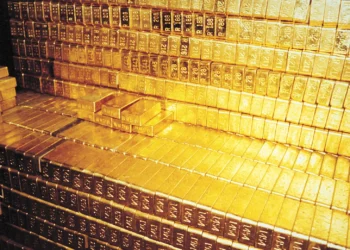
Gold clawed back some ground on Friday, staging a modest technical rally after plumbing a near two-month low the day before.
Yet the yellow metal remained on course for its third consecutive weekly decline, battered by a resurgent U.S. dollar and fresh signals from the Federal Reserve that interest-rate relief is still far off.
Spot gold jumped 1.5 percent to $4,717.49 an ounce by 05:30 GMT, while U.S. gold futures for April delivery surged 2.4 percent to $4,716.80. The bounce came after the metal held key technical supports on the weekly chart, but the broader picture told a different story: bullion has shed more than 6 percent this week alone and is down more than 10 percent since the U.S.-Israeli strike on Iran in February.
“Gold held some important technical supports in the weekly time frame, and gold may see a recovery to the level where it broke down, around $4,800,” said Nicholas Frappell, global head of institutional markets at ABC Refinery. Still, he noted that participants had been “poised to sell rather than buy gold” after its notable underperformance during the latest flare-up in the Middle East.
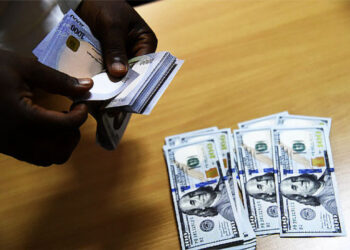
The dollar has been one of the clearest winners of the current turmoil, strengthening more than 2 percent so far this month as investors sought safety in the world’s reserve currency. At the same time, the Fed kept benchmark rates unchanged on Wednesday and delivered a distinctly hawkish message, warning that inflation pressures could intensify. Traders now see virtually no chance of a rate cut this year, according to the CME FedWatch Tool.
That combination is toxic for gold. As an inflation hedge, the metal usually shines when prices are rising, and real yields are falling. But with borrowing costs elevated, yield-bearing assets look far more attractive, while a stronger dollar makes bullion more expensive for buyers using other currencies.
Geopolitical jitters continued to ripple across markets. Oil prices remained above $105 a barrel after briefly spiking to $119 on Thursday, following Iran’s overnight strikes on energy targets in the region. U.S. President Donald Trump urged Israel not to repeat its attacks on Iranian natural gas infrastructure, while Treasury Secretary Scott Bessent indicated that Washington may soon lift sanctions on Iranian oil currently stranded aboard tankers.
The comments added another layer of uncertainty to an already volatile energy complex that has helped underpin the dollar’s safe-haven status.
Demand signals from Asia offered a mixed picture. In India, gold discounts eased from near-decade-high levels hit last week, buoyed by festive-season buying and the sharp price correction. In China, however, premiums slipped as physical demand softened, reflecting caution among local buyers.
Other precious metals followed gold’s lead on the day. Spot silver climbed 1.2 percent to $73.75 an ounce. Platinum rose 2.1 percent to $2,012.95, and palladium gained 2.2 percent to $1,478.78.
For now, the rebound appears fragile. With the Fed in no hurry to ease policy and the dollar still flexing its muscles, gold’s path higher faces stiff headwinds. Traders will be watching whether the metal can reclaim the psychologically important $4,800 level or whether renewed selling pressure—fueled by any further escalation in the Middle East or persistent U.S. economic strength—will push it lower still.
The coming days will test whether technical support can translate into genuine momentum or whether the forces that have driven gold down more than 10 percent in less than three weeks remain firmly in control.
WHAT YOU SHOULD KNOW
Gold staged a technical rebound to around $4,717/oz on Friday but remains on track for a third straight weekly loss of over 6%.
The dominant force driving prices lower is the combination of a firmly hawkish Federal Reserve (no rate cuts expected this year) and a strengthening U.S. dollar, which continues to overpower safe-haven demand for gold despite Middle East tensions.