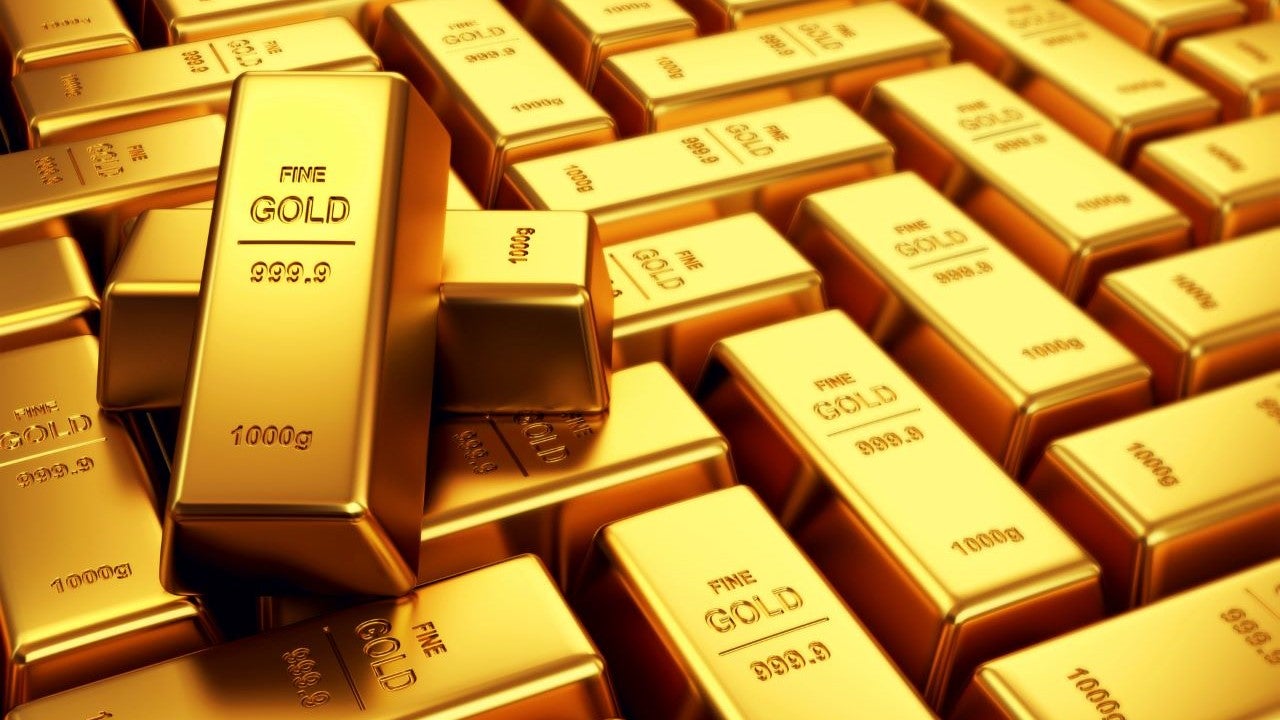
Gold prices remained relatively stable on Friday morning, hovering just below recent record highs as investors digested stronger-than-anticipated U.S. economic data that has significantly reduced expectations for aggressive Federal Reserve interest rate cuts through the remainder of 2025.
The precious metal, trading at $3,748.39 per ounce as of 10:30 GMT, has demonstrated remarkable resilience this week, posting gains of 1.8% despite mounting evidence of economic strength that traditionally weighs on non-yielding assets like gold. The metal reached an all-time peak of $3,790.82 just three days earlier, underscoring the complex dynamics currently driving precious metals markets.
Thursday’s economic releases painted a picture of an American economy operating with greater momentum than many analysts had predicted. Revised second-quarter GDP figures showed growth outpacing initial estimates, while weekly unemployment claims declined, suggesting continued labor market strength. These developments have forced traders to recalibrate their expectations for Federal Reserve policy, with rate cut probabilities falling sharply across the board.
“Gold is holding steady around the mid-$3,700 region, given the latest display of resilience by the U.S. economy, paring bets for Fed rate cuts by end-2025, with those odds lowered by as much as 18 percentage points this week,” explained Han Tan, chief market analyst at Nemo Money, highlighting the delicate balance between economic strength and monetary policy expectations.
The CME FedWatch Tool reveals the extent of this recalibration: the probability of an October rate cut has declined from 91% to 88%, while December cut odds have dropped more substantially from 76% to 62%. This shift reflects growing confidence that the Federal Reserve may maintain its current policy stance longer than previously anticipated.
Market attention now turns to the day’s marquee economic release: the Personal Consumption Expenditures (PCE) price index, the Federal Reserve’s preferred inflation gauge. This data point could prove pivotal in determining gold’s near-term trajectory, particularly given the metal’s sensitivity to interest rate expectations.
“Markets don’t expect an unruly showing from the incoming PCE figures, suggesting that inflation remains in check. However, should they come in notably higher than expectations, which may prompt limited declines for gold,” Tan cautioned, noting the potential for volatility should the data deviate significantly from forecasts.
The current market environment presents a fascinating paradox for gold investors. Traditionally, the precious metal benefits from low interest rates and economic uncertainty, as investors seek safe-haven assets that preserve value when yields are minimal. However, gold’s recent performance suggests other factors may be at play, including geopolitical tensions and concerns about long-term monetary policy effectiveness.
Adding another layer of complexity to the trading landscape, President Donald Trump announced new tariff measures set to take effect on October 1st, targeting imported drugs, trucks, and furniture. These trade policy developments could introduce additional market volatility and potentially support safe-haven demand for precious metals.
The broader precious metals complex showed mixed results Friday morning. Silver declined 0.4% to $45.02 per ounce, while platinum gained 0.1% to $1,531.05, maintaining its position near 12-year highs. Palladium retreated to $1,239.78. Despite Friday’s divergent moves, all three metals remain on track for weekly gains, suggesting underlying strength in the precious metals sector.
December gold futures contracts advanced 0.2% to $3,778.70, indicating continued investor interest in the metal despite the shifting interest rate landscape. The futures premium over spot prices suggests market participants remain optimistic about gold’s prospects, even as economic data challenge some of the assumptions underlying recent price gains.
As markets digest today’s inflation data, traders will be watching closely for any signs that price pressures are resurging, which could complicate Federal Reserve decision-making and potentially impact gold’s appeal as an inflation hedge. The coming sessions promise to be critical in determining whether gold can maintain its recent momentum or faces pressure from a more hawkish monetary policy environment.
The interplay between economic strength, inflation expectations, and geopolitical uncertainty continues to create a complex backdrop for precious metals trading, with gold’s ability to hold near record levels serving as a testament to the metal’s enduring appeal during uncertain times.
WHAT YOU SHOULD KNOW
Gold remains near record highs despite stronger U.S. economic data that has reduced Federal Reserve rate cut expectations from 91% to 88% for October and 76% to 62% for December.
Gold’s current stability around $3,748 per ounce reflects a delicate balance between economic strength (which typically hurts gold) and ongoing geopolitical uncertainties that continue to support safe-haven demand.