Safe-haven demand pushed gold prices slightly higher on Tuesday morning as investors navigated a complex landscape of geopolitical tension in the Middle East and a looming “Super Week” of central bank policy decisions.
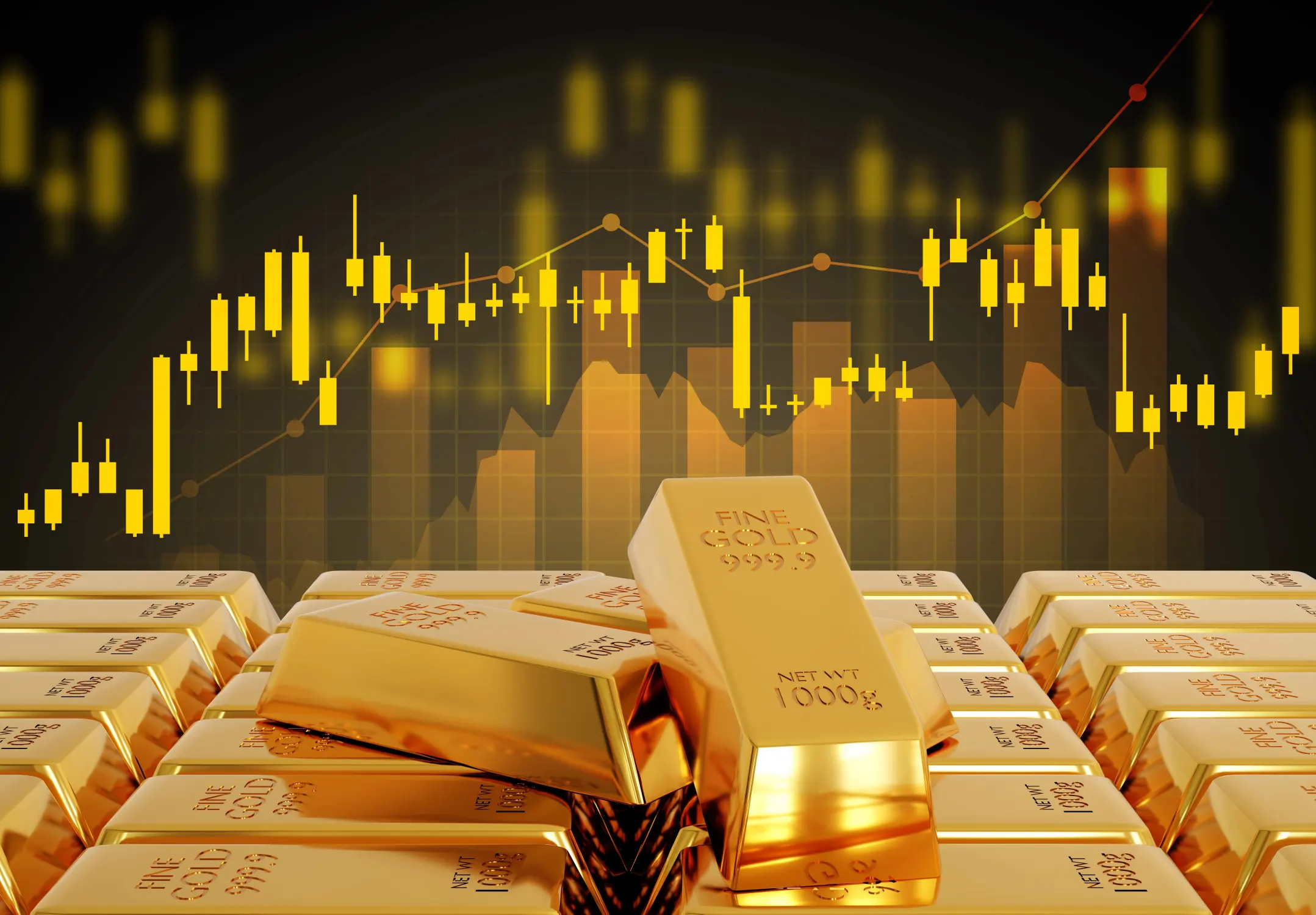
As of 06:44 GMT, spot gold climbed 0.2% to $5,013.71 per ounce, while U.S. gold futures for April delivery saw a 0.3% uptick, trading at $5,018.10. The modest gains follow a volatile 24-hour period where the precious metal briefly retreated from recent highs.
The primary driver for the current market jitteriness remains the Strait of Hormuz. While Iran’s Foreign Minister Abbas Araqchi attempted to soothe nerves on Monday by stating the waterway is “not closed to everyone,” the reality on the water tells a grimmer story.
Despite reports of some vessels trickling through, the U.S.-Israeli conflict with Iran has kept the critical chokepoint largely paralyzed. With tankers stranded for weeks in what is being cited as the largest disruption to global oil supplies on record, crude oil remains stubbornly above $100 a barrel.
“We saw a bit of a relief rally in equities and a pullback in gold early this week, echoing a positive reaction to Tehran’s rhetoric,” noted Ilya Spivak, head of global macro at Tastylive. “However, the underlying reality of $100 oil keeps inflation fears front and center.”
While gold traditionally serves as a premier hedge against the inflation sparked by high energy costs, it faces a formidable headwind: interest rates.
U.S. President Donald Trump has publicly voiced frustration over the lack of international military assistance in unblocking the Strait, but the financial world is looking toward the Eccles Building in Washington, D.C., for its next cue.
The Federal Reserve is widely expected to hold rates steady this Wednesday. However, it is just the first in a marathon of policy meetings, with central banks in the UK, the Eurozone, Japan, Australia, Canada, Switzerland, and Sweden all set to convene for the first time since the outbreak of the Iran war.
“Gold may weaken if the Fed strikes a hawkish tone,” Spivak warned. “If central banks signal that they will keep rates ‘higher for longer’ to combat war-induced inflation, the opportunity cost of holding non-yielding gold increases.”
The broader metals complex showed mixed results as traders repositioned their portfolios:
Spot Silver: $80.97.
Spot Platinum: $2,133.
Palladium: $1,595.75.
As the week progresses, the trajectory for bullion will likely depend on whether the fear of a widening regional war outweighs the pressure of a high-interest-rate environment. For now, the market remains in a watchful crouch, waiting for the first word from the Fed.
WHAT YOU SHOULD KNOW
The primary takeaway for investors is the high-stakes tug-of-war between geopolitical instability and central bank policy. While the U.S.-Iran conflict and $100+ oil prices provide a strong bullish floor for gold as a safe-haven asset, its upward momentum faces a major ceiling this week.
If the Federal Reserve and global central banks maintain a hawkish (high interest rate) stance to combat war-driven inflation, the appeal of gold may fade in favor of yield-bearing assets, regardless of the chaos in the Strait of Hormuz.