Gold prices remained resilient on Friday morning, positioning the precious metal for an unprecedented seventh consecutive weekly advance as investors navigate a confluence of economic uncertainty, anticipated Federal Reserve rate cuts, and a federal government shutdown that has thrown Washington into disarray.
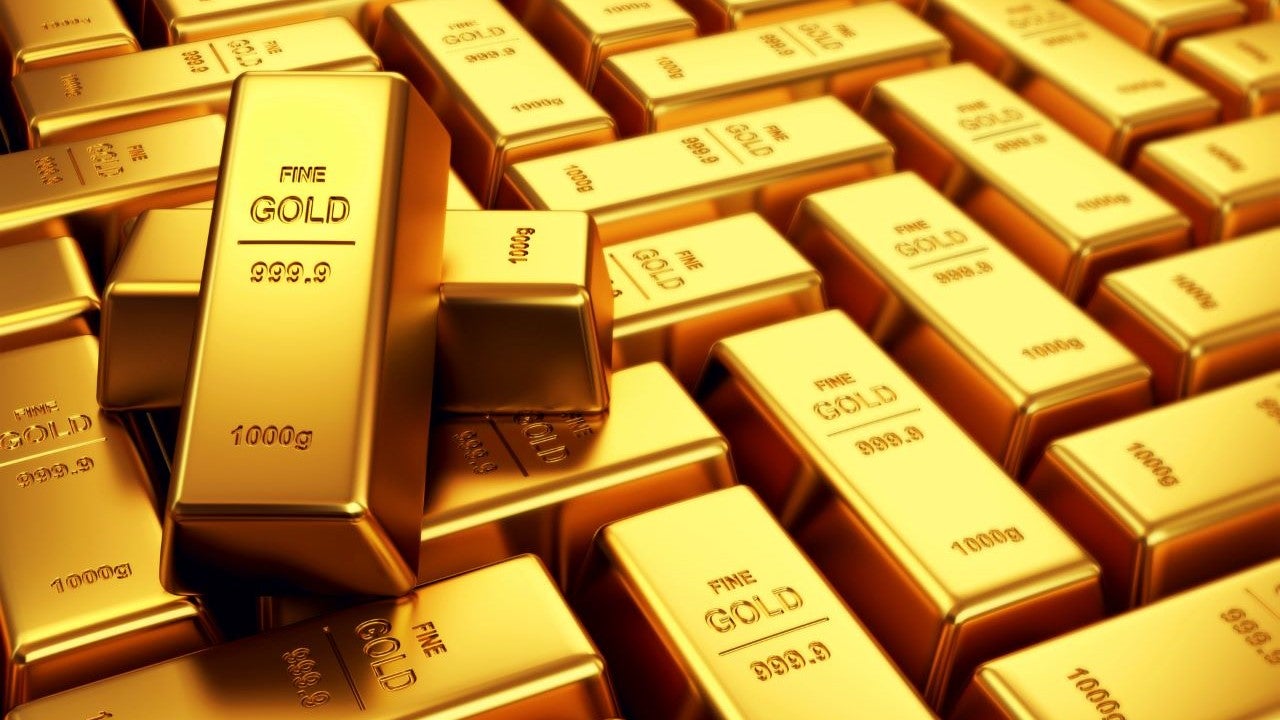
Spot gold was trading at $3,859.69 per ounce as of 0739 GMT, just shy of Thursday’s record peak of $3,896.49 — a historic milestone that underscored the yellow metal’s remarkable rally this year. The bullion has posted gains of 2.7% over the current week alone, extending a winning streak that has captivated commodity markets and institutional investors alike.
U.S. gold futures for December delivery climbed 0.4% to $3,883, reflecting sustained appetite for the safe-haven asset.
Shutdown Clouds Economic Picture
The ongoing U.S. government shutdown, now entering its third day, has added another layer of uncertainty to financial markets, delaying the release of critical economic indicators that traders and policymakers rely upon to gauge the health of the world’s largest economy.
Most notably, the highly anticipated non-farm payrolls report—a bellwether for labor market conditions and a key input for Federal Reserve policy decisions—was among the data releases postponed indefinitely. The report had been scheduled for release on Friday morning.
In the absence of official statistics, market participants have turned to alternative sources. Data compiled from public and private sector indicators suggest the U.S. job market likely remained stagnant in September, with hiring momentum slowing to a crawl and unemployment rates holding steady — painting a picture of an economy losing steam.
Rate Cut Expectations Fuel Rally
The softer labor market data has reinforced expectations that the Federal Reserve will continue its easing cycle, a development that has provided powerful tailwinds for gold prices.
“The data suggests the Fed should cut rates, and as we anticipate further rate cuts, this should support the gold price further over the coming months,” said Giovanni Staunovo, analyst at UBS. “We’re looking for the yellow metal to breach the $4,000 per ounce mark by the end of this year.”
Such a forecast would have seemed audacious just months ago, but gold’s extraordinary 47% surge year-to-date has made once-unthinkable price targets appear increasingly plausible.
Market pricing, as measured by CME Group’s FedWatch tool, reveals overwhelming conviction that the central bank will continue reducing borrowing costs. Investors are assigning a 97% probability to a 25-basis-point rate reduction at the Fed’s October meeting, with an 88% likelihood of another quarter-point cut in December.
The Fed’s pivot toward accommodation comes after last month’s rate reduction, which Federal Reserve Bank of Dallas President Lorie Logan characterized as “insurance” against a potential sharp deterioration in labor market conditions. However, Logan struck a note of caution on Friday, emphasizing the need for the central bank to proceed carefully as it navigates the uncertain economic landscape.
Why Gold Thrives Now
Gold’s stellar performance this year reflects its enduring appeal as a safe store of value during periods of political and financial turbulence. The precious metal traditionally flourishes in low-interest-rate environments, when the opportunity cost of holding non-yielding assets diminishes and investors seek protection against currency debasement and systemic risk.
The current backdrop — featuring geopolitical tensions, government dysfunction, and central bank easing — has proven particularly hospitable for bullion. The metal’s remarkable rally has attracted renewed attention from institutional investors, central banks, and retail buyers seeking to preserve wealth amid mounting uncertainties.
Physical Demand Remains Robust
Despite record-high prices that might typically discourage buyers, physical gold demand in India — one of the world’s largest consumers of the precious metal — actually strengthened this week, according to market sources. The resilient demand from Indian buyers, who traditionally purchase gold for weddings, festivals, and as a savings vehicle, signals deep-seated confidence in the metal’s value proposition.
Chinese markets, another critical source of physical gold demand, remained closed for a public holiday, limiting trading activity in the world’s largest gold-consuming nation.
Broader Precious Metals Complex Gains
Gold’s strength lifted the broader precious metals sector on Friday. Spot silver climbed 0.7% to $47.30 per ounce, while platinum advanced 0.2% to $1,571.91. Palladium, primarily used in automotive catalytic converters, gained 0.7% to $1,250.
As markets head into the weekend, all eyes will remain on Washington, where lawmakers face mounting pressure to resolve the government shutdown and restore the flow of economic data that traders depend upon. In the meantime, gold’s march toward $4,000 continues unabated, a testament to the precious metal’s enduring role as the ultimate haven in troubled times.
WHAT YOU SHOULD KNOW
Gold prices held at $3,859 per ounce on Friday, on track for a seventh straight weekly gain and up 47% this year. The key driver: overwhelming expectations of continued Federal Reserve rate cuts, with markets pricing in a 97% chance of another cut in October.
A three-day government shutdown has delayed critical jobs data, adding uncertainty that benefits gold as a haven. Analysts now predict gold will breach $4,000 per ounce by year-end as lower interest rates make the non-yielding metal more attractive.
Despite record prices, physical demand remains strong in major markets like India, signaling sustained investor confidence in gold’s value during economic and political turbulence.