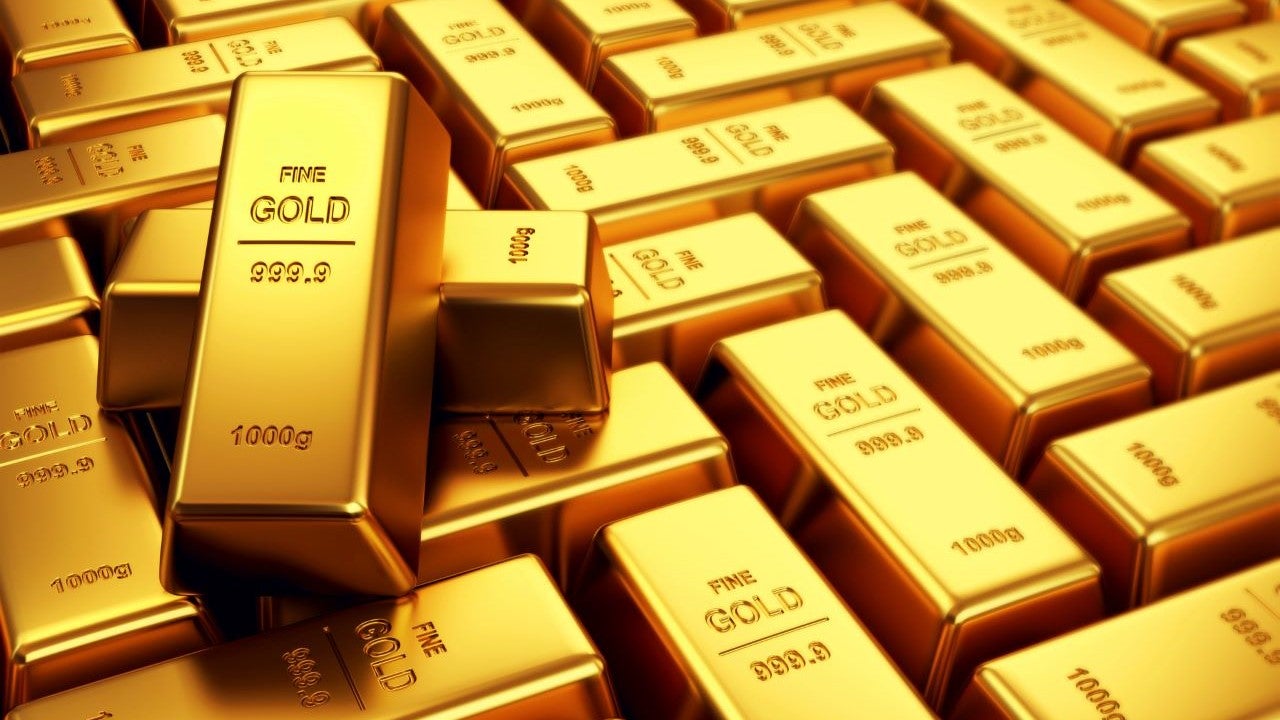
Gold prices shattered records on Friday, climbing above $4,300 per ounce for the first time in history as a confluence of economic headwinds sent investors scrambling for the safety of precious metals in what has become the yellow metal’s most dramatic weekly rally in nearly two decades.
Spot gold advanced 0.8% to $4,359.31 per ounce by early European trading, after touching an intraday peak of $4,378.69. U.S. gold futures for December delivery surged even higher, jumping 1.6% to $4,372.10, underscoring the intensity of investor appetite for the traditional store of value.
The rally marks an extraordinary 8.6% weekly gain for bullion—its strongest performance since September 2008, when the collapse of Lehman Brothers sent shockwaves through global financial markets. Remarkably, gold has notched fresh record highs in every single trading session this week, a feat that highlights the mounting anxiety gripping financial markets.
Multiple Catalysts Converge
Market analysts point to a rare convergence of factors driving the surge: renewed stress in the U.S. regional banking sector, escalating U.S.-China trade tensions, and growing expectations that the Federal Reserve will continue cutting interest rates aggressively.
“We’re seeing a perfect storm for gold,” said Tim Waterer, chief market analyst at KCM Trade. “The flare-up in U.S. regional bank credit concerns has given traders one more reason to buy gold. Looking ahead, $4,500 could arrive as a sooner-than-expected target, but much may depend upon how long concerns about U.S.-China trade and the government shutdown linger over the market.”
Wall Street reflected these concerns Thursday, with major indices closing lower after signs of weakness in regional banks spooked investors already jittery over deteriorating U.S.-China relations. The banking sector’s troubles have revived memories of the crisis earlier this year that saw the collapse of several mid-sized institutions.
China Tensions Escalate
Trade frictions between Washington and Beijing have intensified dramatically this week. China leveled fresh accusations against the United States of causing panic over its rare earth controls, while firmly rejecting international calls to reverse export restrictions on these critical materials used in everything from smartphones to military equipment.
The rare earth dispute adds another layer of complexity to an already fractious relationship between the world’s two largest economies, with markets increasingly concerned about the potential for prolonged economic disruption.
Fed Rate Cuts in Focus
Adding fuel to gold’s rally, Federal Reserve Governor Christopher Waller voiced support Thursday for another interest rate reduction, citing concerns about the labor market’s health. His comments have solidified market expectations for a 25-basis-point cut at the Fed’s October 29-30 policy meeting, with another reduction anticipated in December.
Lower interest rates tend to benefit non-yielding assets like gold, which become more attractive relative to interest-bearing securities when borrowing costs decline. The precious metal has surged more than 65% year-to-date, an extraordinary performance driven by multiple tailwinds, including geopolitical tensions, central bank buying, de-dollarization trends, and robust inflows into gold-backed exchange-traded funds.
Silver Follows Suit
Silver mirrored gold’s strength, rising 0.1% to $54.26 per ounce and heading for an 8% weekly gain. The white metal briefly touched a record high of $54.35 earlier in the session, buoyed both by gold’s rally and a short squeeze in the spot market as traders betting on lower prices were forced to cover their positions.
Geopolitical Pressures Mount
Geopolitical tensions continue to simmer across multiple fronts. President Donald Trump and Russian President Vladimir Putin agreed Thursday to hold another summit focused on ending the war in Ukraine, though skepticism remains high about prospects for a breakthrough.
Meanwhile, Western nations maintained pressure on Russia’s economy, with Britain imposing fresh sanctions on major Russian oil companies in an effort to constrain Moscow’s energy revenues.
Broader Precious Metals Complex
Platinum slipped 0.7% to $1,699.45, while palladium edged down 0.2% to $1,611.24, though both metals remained on track for weekly gains.
As markets head into the weekend, traders will be watching closely for any developments on the banking, trade, or geopolitical fronts that could further fuel demand for safe-haven assets. For now, gold’s unprecedented rally shows little sign of exhaustion, with some analysts predicting the metal could test $4,500 per ounce in the coming weeks if current conditions persist.
WHAT YOU SHOULD KNOW
Gold has surged past $4,300 per ounce—its best weekly performance since the 2008 financial crisis—driven by a dangerous combination of U.S. regional banking instability, escalating U.S.-China trade tensions, and expectations of further Federal Reserve rate cuts.