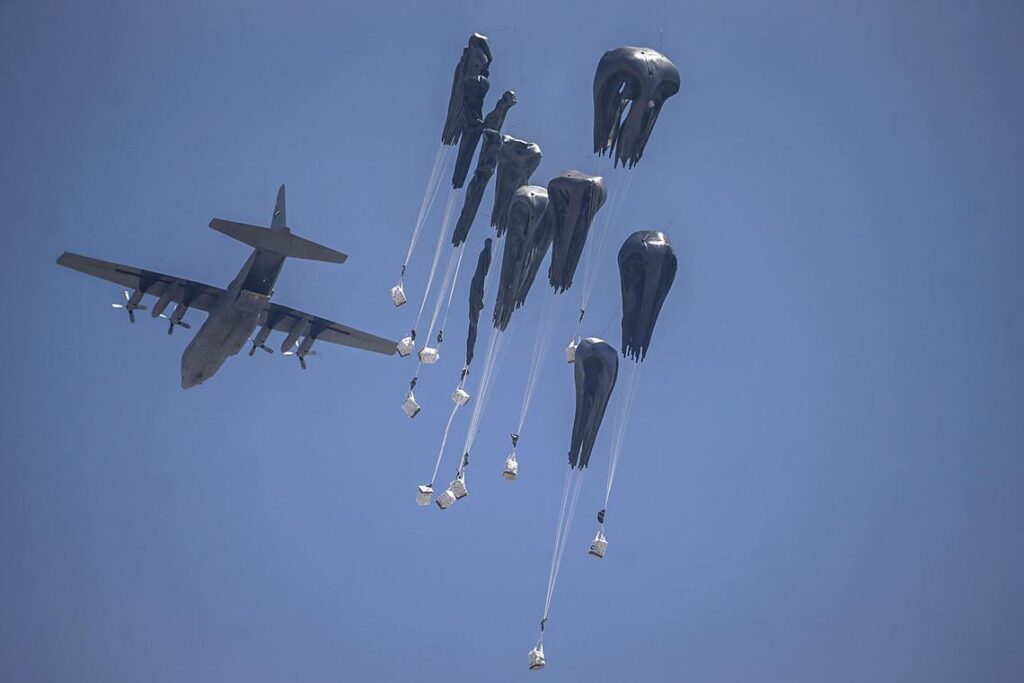
Jordan and the United Arab Emirates carried out emergency food airdrops over Gaza on Sunday as Israel initiated a limited “tactical pause” in military operations to allow humanitarian access amid a worsening hunger crisis.
The Gaza Strip, battered by 21 months of war and a severe aid blockade between March and May, remains in critical condition despite recent openings. Aid levels remain far below what is needed, according to relief groups.
While the Israeli military insists it is coordinating with international organizations to boost humanitarian deliveries, the World Health Organization (WHO) warned that malnutrition in Gaza has reached “alarming levels.” Of the 74 deaths linked to malnutrition so far in 2025, 63 occurred in July alone, including 24 children under five.
“The crisis remains entirely preventable. Deliberate blocking and delay of large-scale food, health and humanitarian aid has cost many lives,” said the UN health agency.
The World Food Programme revealed that one-third of Gaza’s population had gone without food for days, with 470,000 people facing famine-like conditions. UN relief coordinator Tom Fletcher said his teams would “do all we can to reach as many starving people as we can in this window.”
Amid rising international pressure, including appeals from German Chancellor Friedrich Merz, Israeli Prime Minister Benjamin Netanyahu blamed the UN for spreading “lies” and insisted secure aid routes already existed. “There will be no more excuses,” he stated.
Despite easing the blockade, Israel sidelined major relief organizations in favor of a US-backed private foundation — the Gaza Humanitarian Foundation — which aid groups have refused to work with, claiming it serves military goals. Hundreds of people have reportedly died trying to access aid from its distribution sites.
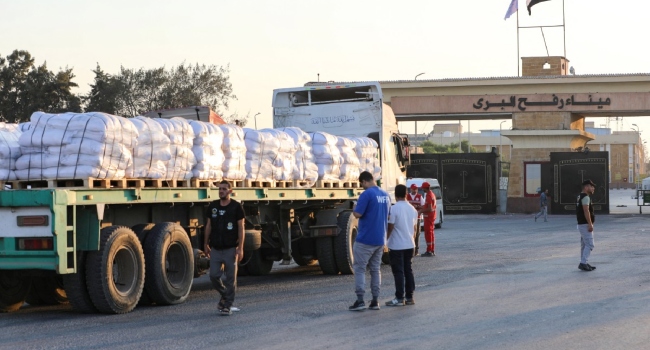
On Sunday, the Jordanian military reported delivering 25 tonnes of food alongside the UAE through parachute drops. The Israeli army confirmed it also carried out an aid drop, releasing seven pallets of supplies. Some truckloads of flour were seen entering northern Gaza from Israel and Egypt after inspection.
Oxfam’s Bushra Khalidi welcomed the tactical pause but said it wasn’t enough. “Starvation won’t be solved by a few trucks or airdrops. We need a permanent ceasefire, a complete lifting of the siege,” she said.
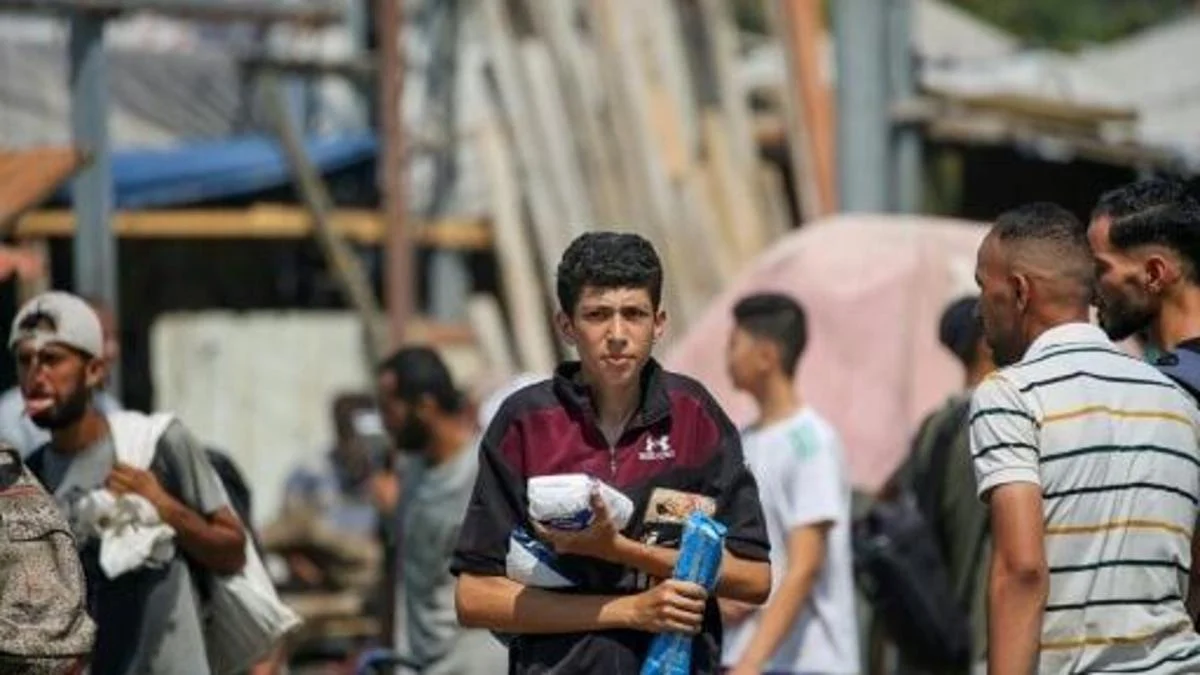
In Gaza City’s Tel el-Hawa district, desperate residents described chaotic aid scenes. “It felt like a war,” said 23-year-old Samih Humeid, who managed to grab just three cans of fava beans during the scramble. “Hunger is merciless.”
The Israeli military’s daily pause—from 10 a.m. to 8 p.m.—is confined to areas without active operations: Al-Mawasi in the south, Deir el-Balah in central Gaza, and Gaza City in the north.
The International Criminal Court in November issued arrest warrants for Netanyahu and former defense minister Yoav Gallant over war crimes allegations, including the use of starvation as a weapon—charges Israel denies.
According to the Gaza civil defence agency, Israeli fire killed 27 Palestinians on Sunday, including 12 near aid sites. Due to media restrictions, AFP cannot independently verify the death tolls or reports from the ground.
Israel’s military campaign began in response to the October 7, 2023 Hamas attack that killed 1,219 people in Israel. Since then, the offensive has claimed 59,733 Palestinian lives, mostly civilians, according to Gaza’s health ministry.
What you should know
Gaza faces a worsening humanitarian disaster, with famine-like conditions affecting nearly half a million people. While Israel has initiated tactical pauses for aid delivery, critics say the limited measures fall far short.
International agencies continue to call for a full ceasefire and unrestricted humanitarian access.