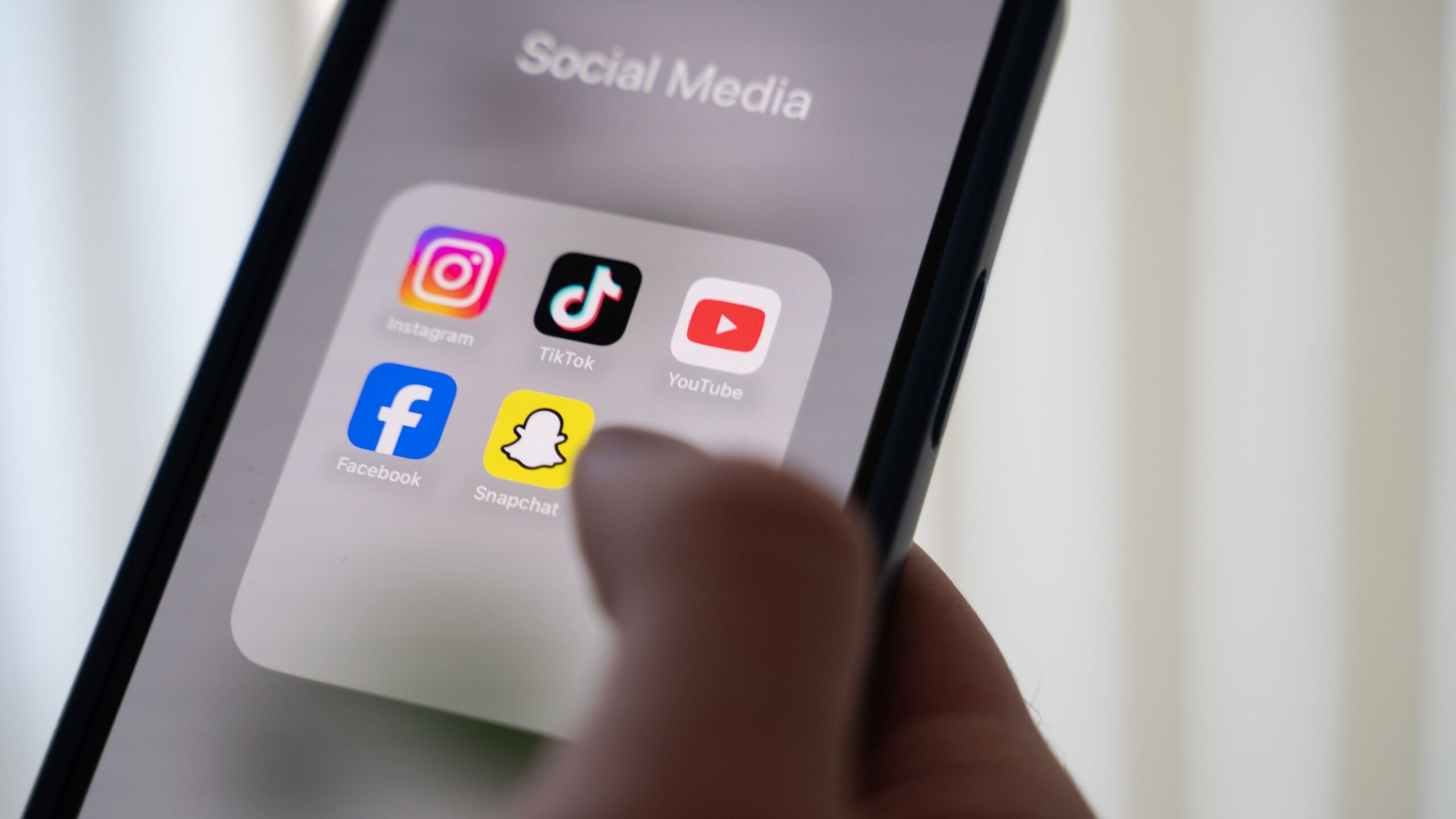
Gabon abruptly blocked access to major social media platforms, including Facebook and TikTok, on Wednesday, February 18, 2026, just hours after the country’s media regulator issued a sweeping suspension order.
The High Authority for Communication (HAC), the government body overseeing media and communications, announced the measure late Tuesday in a televised statement delivered by spokesman Jean-Claude Mendome.
The regulator declared an immediate and indefinite suspension of the platforms “until further notice,” directing telecommunications operators and internet service providers to enforce the blocks nationwide.
According to Mendome, the decision stems from a surge in online content deemed highly damaging to the nation’s stability. He cited widespread circulation of defamatory, hateful, and insulting material that, in the HAC’s view, undermines human dignity, public morality, citizens’ honor, social cohesion, the stability of republican institutions, and ultimately national security.
The spokesman went further, highlighting specific harms including rampant cyberbullying, the rapid spread of false information and misleading content, and the unauthorized disclosure of personal data.
Mendome argued that existing content moderation tools on the platforms have proven inadequate to curb these “conflict-inducing excesses,” forcing authorities to take drastic action to protect public order.
While the HAC’s initial public statement did not name every affected service, reports from users and monitoring groups quickly confirmed that Facebook and TikTok—two of the most popular apps among Gabon’s roughly 2.5 million people—became inaccessible by Wednesday morning.
Some sources indicate the restrictions extend to other Meta-owned services and possibly Instagram, YouTube, and X (formerly Twitter), though access to certain platforms appeared inconsistent in different parts of the capital, Libreville, as of mid-afternoon.
The timing of the shutdown has raised eyebrows, coming amid mounting social unrest in the oil-rich but economically challenged nation. Under transitional leader President Brice Oligui Nguema, who took power following a 2023 coup, Gabon has faced waves of protests in recent months—most notably from teachers and other public sector workers angry over unpaid salaries, poor working conditions, and broader economic grievances.
Many analysts and online commentators suggest the social media clampdown is directly linked to these demonstrations, as platforms have served as key organizing tools and spaces for sharing videos, grievances, and criticism of the government.
The move has sent shockwaves through a society where social media plays an outsized role, especially among younger users who rely on it not only for social connection but also for business promotion, informal commerce, news dissemination, and remittance coordination.
Business owners have already voiced concerns about lost revenue, while digital rights advocates worry the open-ended nature of the ban sets a dangerous precedent for freedom of expression—despite Mendome’s insistence that the measure is temporary and does not negate constitutional rights to free speech.
As of now, no clear timeline has emerged for the restoration of service. The HAC has framed the suspension as a necessary safeguard during a period of heightened tension, but critics see it as yet another example of authorities in the region turning to internet restrictions when faced with popular discontent.
For millions of Gabonese suddenly cut off from their primary digital lifelines, Wednesday marked a sudden return to a quieter—if more isolated—online world, with the future of connectivity hanging on an undefined “further notice.”
WHAT YOU SHOULD KNOW
Gabon has indefinitely blocked Facebook and TikTok (and possibly other major platforms) as of February 18, 2026, following the High Authority for Communication’s order.
The government cites the spread of defamatory, hateful, misleading content, cyberbullying, and threats to public order and national security—but the timing strongly suggests the real driver is to disrupt online coordination and visibility of ongoing protests and public-sector strikes.