As Rivers State Governor Siminalayi Fubara awaits his reinstatement on September 18, 2025, following a six-month suspension, the Supreme Court’s August 2025 ruling deeming the state of emergency unconstitutional signals a potential restoration of his mandate.
However, this anticipated return conceals a troubling reality, as Fubara faced a relentless campaign of bullying, intimidation, and threats that pressured him into a political compromise with powerful external forces. Rather than a triumphant comeback, Fubara’s return underscores the vulnerability of Nigeria’s state-level autonomy, where elite pressures threaten to erode democratic mandates.
In my view, the suspension has not strengthened Fubara but constrained him, tethering his governorship to external agendas and raising concerns about his ability to lead Rivers independently amid deep-seated factionalism and economic challenges.
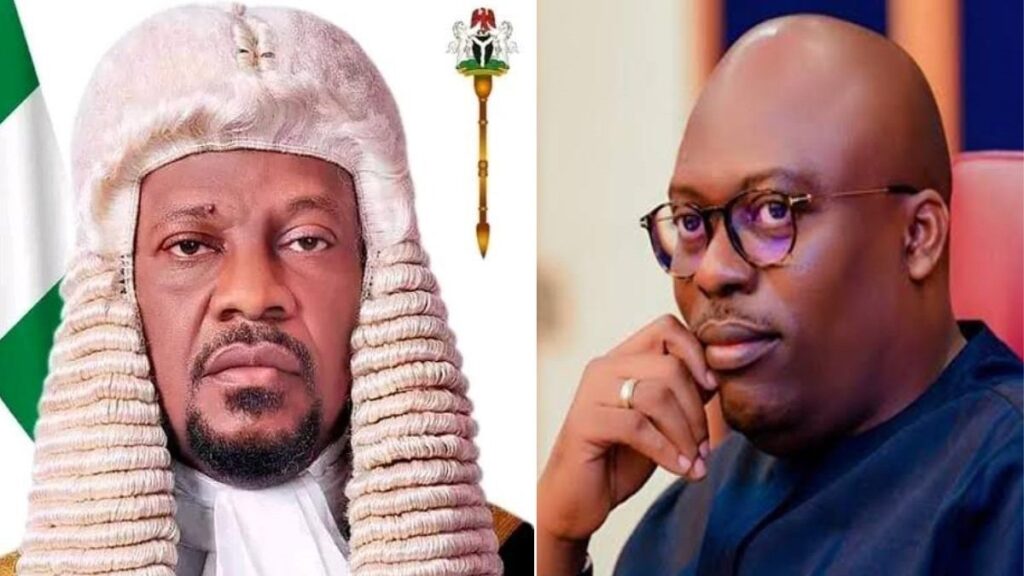
The crisis erupted on March 6, 2025, when a state of emergency was declared, suspending Fubara amid a bitter feud with the Rivers State House of Assembly over budget disputes and accusations of executive overreach. The assembly’s impeachment push, backed by powerful political factions, led to the installation of Ibok-Ete Ekwe Ibas as interim administrator, sidelining Fubara and halting governance in Rivers.
Exiled to Abuja, Fubara endured intense personal and political strain. As a 58-year-old accountant elected with 175,000 votes in 2023, the suspension was a public humiliation, amplified by media attacks portraying him as weak. Reports of surveillance, harassment, and threats to his family, including a June 2025 raid on his Port Harcourt home, intensified the pressure. Fubara’s legal team alleged coercive tactics, such as promises of reinstatement for dropping lawsuits, hinting at a broader effort to break his resolve.
This ordeal reshaped Fubara’s political stance. Initially defiant, he shifted to conciliation by September, praising “national guidance” in a Channels TV interview, a stark contrast to his earlier critiques of federal overreach. A September 12 meeting in Abuja reportedly secured his return but at the cost of aligning with external agendas, evidenced by his softened rhetoric and pledges of cooperation.
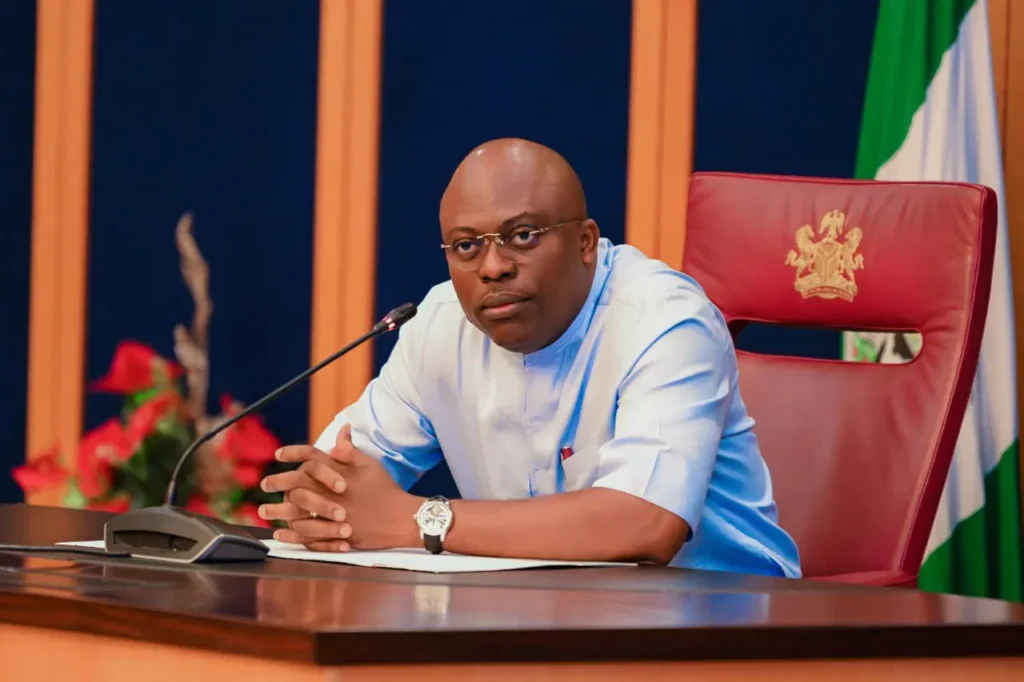
The Supreme Court’s ruling offered legal vindication, but the political cost was steep: Fubara returns to a divided assembly, with 17 lawmakers still opposing him, down from 27 after defections. This weakens his ability to push his “Rivers of Prosperity” blueprint, including the $2.5 billion Port Harcourt Refinery revival and flood mitigation projects stalled during the emergency.
The suspension’s toll on Rivers was severe. Ibas disbursed ₦50 billion in salaries but delayed ₦100 billion in infrastructure, exacerbating 25% youth unemployment and oil theft costing $1 billion annually. Cult clashes killed 150 in 2025, and the state’s 40% poverty rate worsened without social programs.
Fubara’s coerced alignment may unlock federal support but risks diluting his vision, as external forces could dictate budget priorities. Nationally, the episode exposes the fragility of state autonomy, with the emergency, the first since 1999, setting a precedent for overriding elected governors, undermining the 1999 Constitution’s federal structure.
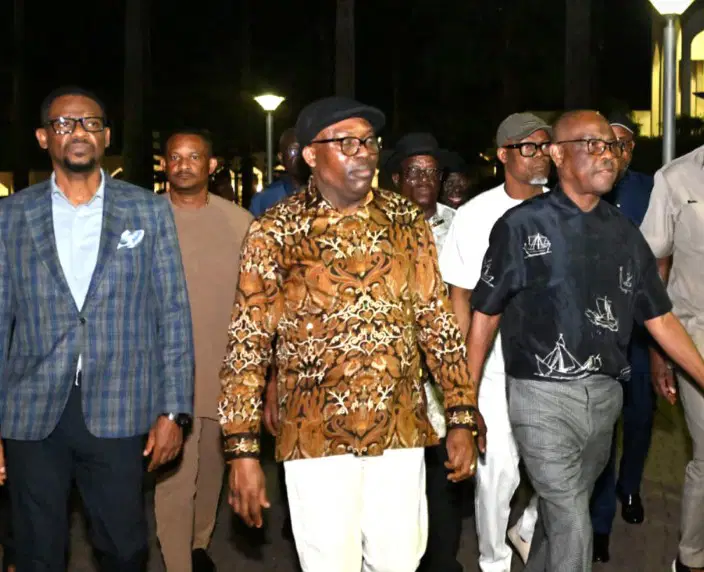
In my opinion, Fubara’s return is a hollow victory, forged not in strength but in submission to bullying. The intimidation he faced, surveillance, threats, and political isolation forced a compromise that betrays Rivers’ 5.3 million voters. True leadership requires resisting such pressures, rallying civil society, and leveraging courts to protect his mandate.
If Fubara governs as a constrained figure, Rivers risks becoming a cautionary tale of how coercion stifles progress, fueling demands for constitutional safeguards against external interference. Nigeria’s democracy depends on governors governing freely, not under duress.
What You Should Know
Siminalayi Fubara, 58, was suspended on March 6, 2025, via a state of emergency amid an assembly impeachment over budget disputes.
The Supreme Court ruled it unconstitutional in August 2025, ordering reinstatement; Fubara is set to resume September 18 after six months under administrator Victor Somiari Ibas.
Ibas disbursed ₦50 billion in salaries but stalled ₦100 billion in projects; opposition demands a probe. Fubara, PDP’s 2023 winner with 175,000 votes, faces a divided assembly (10 defections); 70% of Rivers residents opposed the emergency.