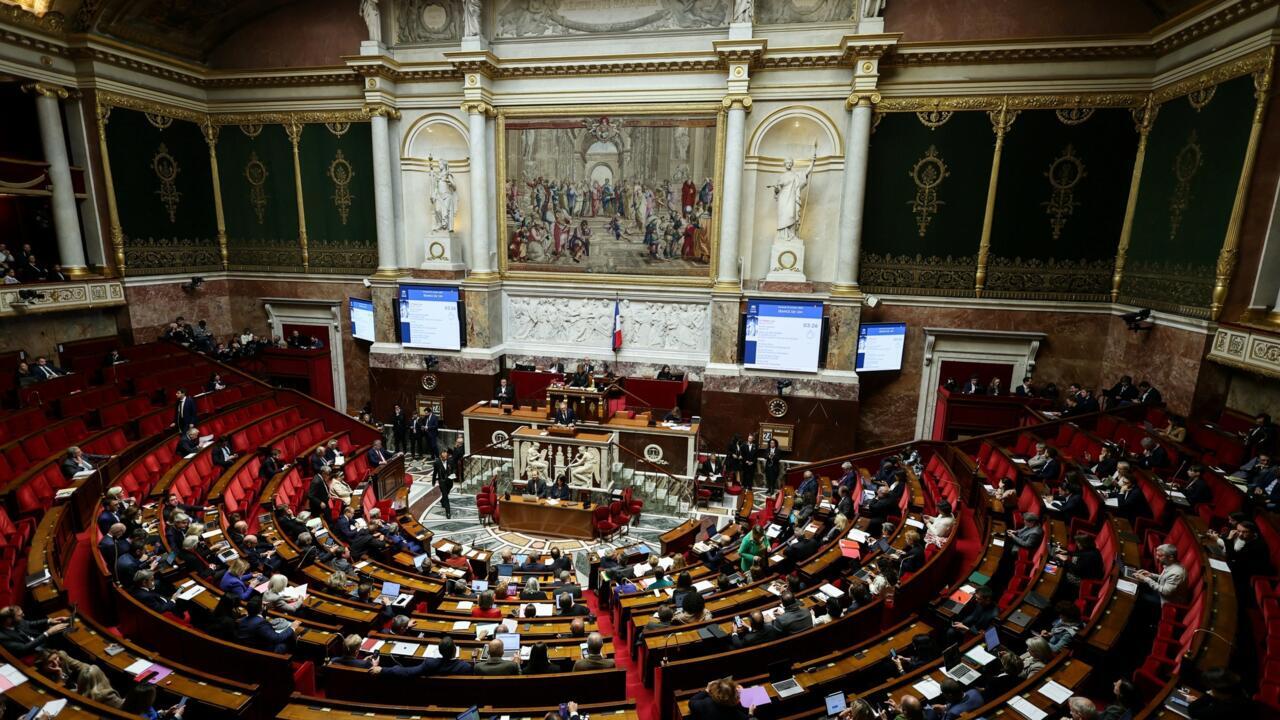
French lawmakers are preparing to vote on a proposed wealth tax after members of a key swing group in parliament warned they would bring down the government if the levy was not included in next year’s austerity budget.
The vote comes as France faces mounting pressure to approve a spending plan before the end of the year to control its budget deficit and rising national debt. However, ongoing political instability continues to obstruct the process.
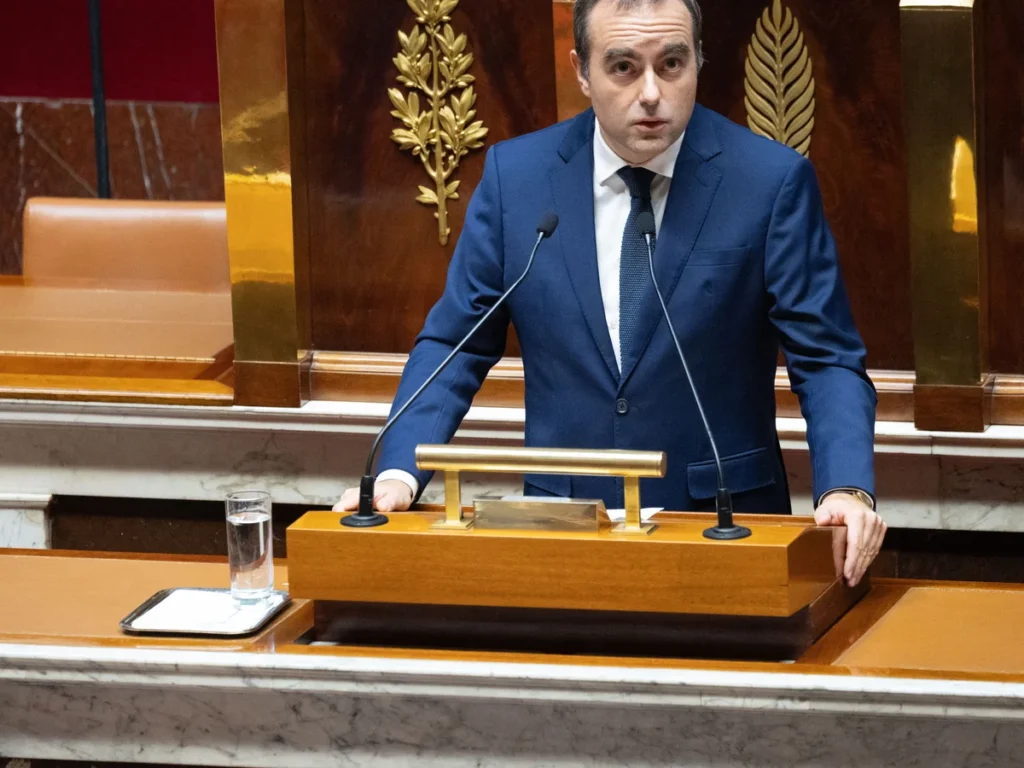
Sebastien Lecornu, France’s third prime minister in just over a year, has vowed to deliver the spending bill after both of his predecessors were removed over unpopular cost-cutting measures. Lecornu recently survived a confidence vote by agreeing to halt a controversial pension reform following opposition from the left-wing Socialists.
Despite this compromise, the Socialists are now demanding a tax targeting the super-rich, warning that they will move to topple Lecornu’s government as early as Monday if their demand is ignored.
The group’s initial proposal, inspired by French economist Gabriel Zucman, aimed to generate around 20 billion euros ($27 billion) annually by taxing approximately 1,800 ultra-wealthy households. Zucman’s plan would impose a minimum two-percent levy on individuals with assets worth at least 100 million euros.
However, Lecornu’s government and the far-right parties have rejected the idea of taxing professional assets, which Zucman’s framework includes. Instead, the government favors targeting wealth management portfolios valued at five million euros or more.
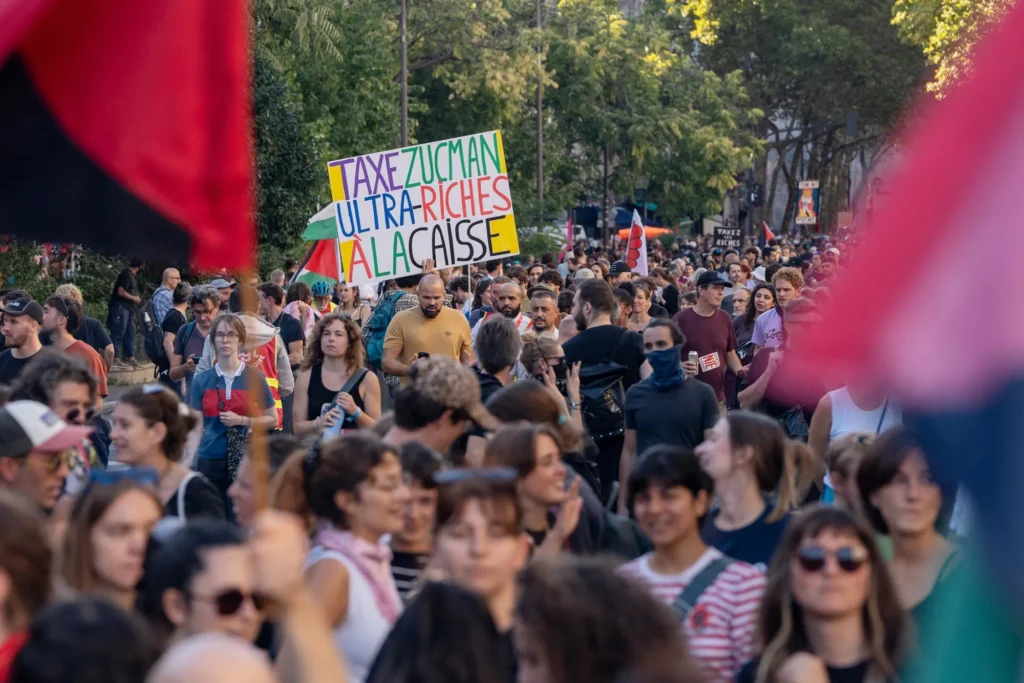
In a bid to find middle ground, the Socialists recently proposed a three-percent minimum tax on assets exceeding 10 million euros, excluding family-owned and “innovative” businesses. The revised version is intended as a compromise to make the bill more acceptable to the government.
As parliament prepared for debate on Saturday, Zucman cautioned the Socialists against watering down his plan. “Creating a tax riddled with loopholes, offering opportunities for evasion… is condemning oneself to failure,” he said in an interview with France Inter radio.
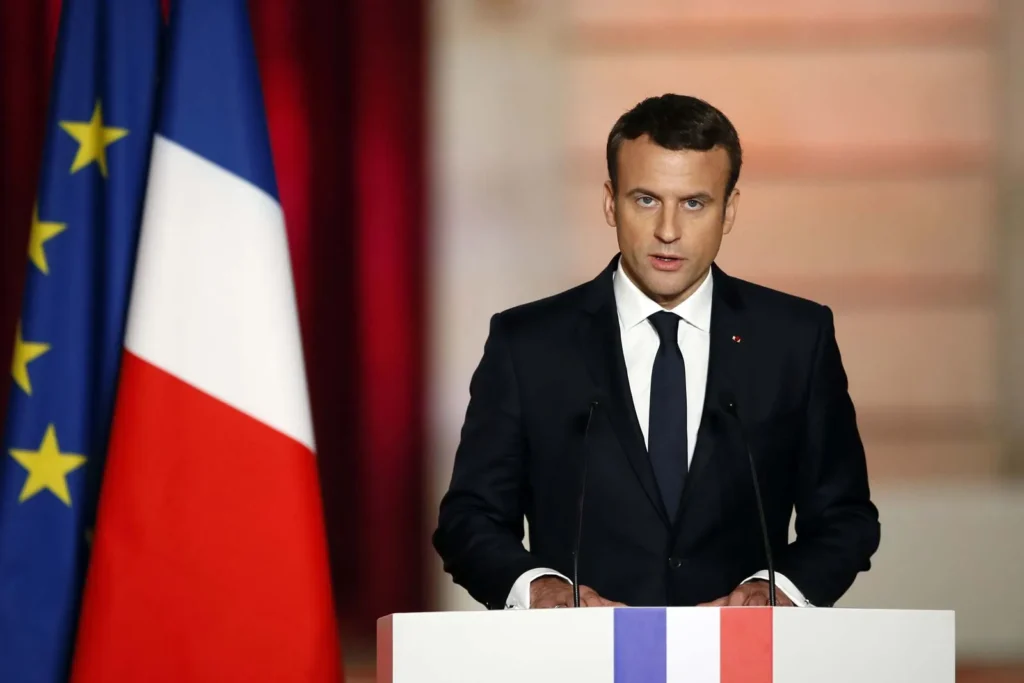
France’s political system has been in turmoil since President Emmanuel Macron called early parliamentary elections last year in a bid to strengthen his authority. The move backfired as his centrist alliance lost its majority, while the far right gained significant ground, leaving the parliament sharply divided.
With tensions running high, the outcome of Saturday’s debate could determine whether France moves forward with a new wealth tax or plunges deeper into political uncertainty.
What you should know
France’s parliament faces a crucial decision over a proposed wealth tax that could reshape its fiscal policy.
The vote, driven by pressure from the Socialist bloc, may either stabilize Prime Minister Sebastien Lecornu’s fragile government or trigger another political crisis if consensus is not reached.