The streets of Abuja pulsed with raw emotion on Monday, as Omoyele Sowore led a determined crowd under the banner of FreeNnamdiKanuNow, demanding freedom for Nnamdi Kanu, the polarizing leader of the Indigenous People of Biafra.
It was a day heavy with memory, falling on the fifth anniversary of EndSARS, when Nigerians shook the nation’s core with cries for fairness. But as tear gas stung the air and gridlock choked the capital, the protest felt like a tightrope walk over Nigeria’s fault lines, part plea for justice, part gamble with forces that could mend or tear the country apart.
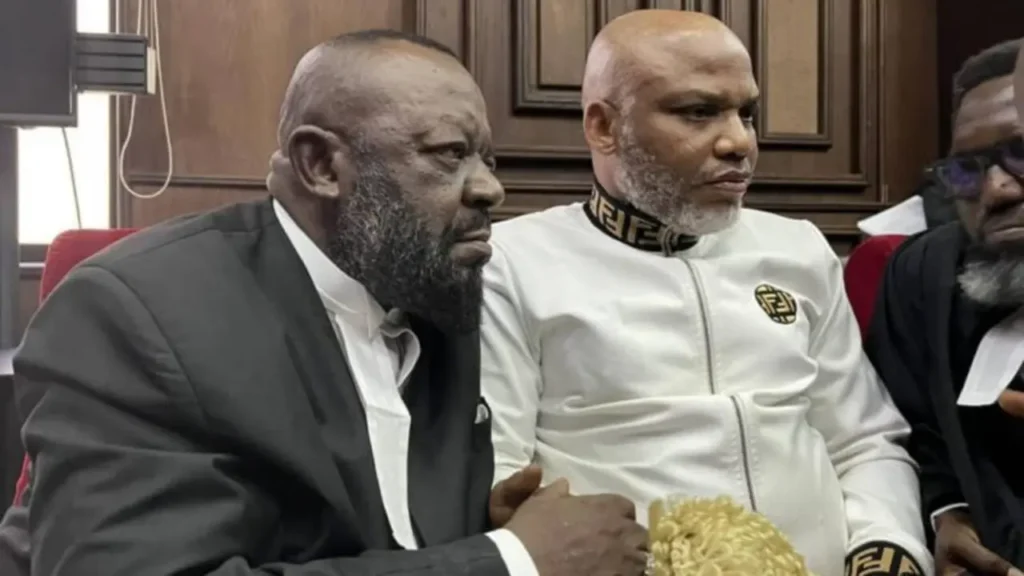
Kanu’s detention, stretching over four years since his dramatic 2021 extradition from Kenya, has become a lightning rod for grievances about state overreach and ethnic marginalization. As the dust settles, I can’t help but wonder, will this movement open doors to healing, or is it pouring fuel on a fire burning too close to home?
There’s something deeply human in the hope driving this protest. Picture it, everyday people, traders, students, even blind marchers in Enugu, joining hands with Kanu’s lawyer, Aloy Ejimakor, and his brother, Fineboy, chanting for a man they see as a symbol of resistance against a system that’s left too many behind. Their voices carried a raw, desperate faith that enough noise might crack the walls of the Department of State Services’ cell where Kanu sits, his health reportedly fading as his terrorism trial looms on October 23.
This wasn’t just about one man, it was a cry for a Nigeria where court orders, like the 2022 ruling for Kanu’s release, aren’t ignored while bandits walk free under government amnesties. The solidarity stretched far, Igbo shopkeepers in Akure shuttered their stores, their empty stalls a quiet shout of kinship. Even Amnesty International weighed in, slamming the police crackdown as a violation of the right to assemble peacefully.
If this momentum holds, it could push Tinubu’s government to rethink Kanu’s case, not as a security headache but as a chance to bridge divides. Imagine the southeast, choked by sit-at-homes and fear, breathing easier if Kanu were freed, its markets bustling again, its youth finding faith in dialogue over despair. The protest could be a turning point, proof that enough voices can bend a nation toward justice without bloodshed.
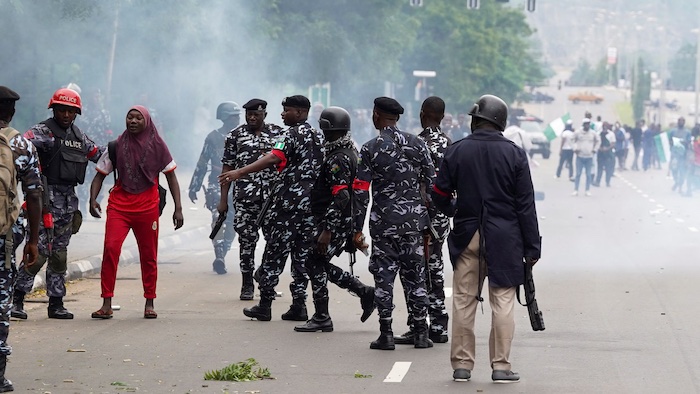
But hope is fragile, and the day’s chaos showed how easily it can sour into something darker. By 6am, police had turned Abuja into a fortress, barricades clogging roads from Nyanya to Kubwa, stranding workers and traders in a snarl of frustration that felt like collective punishment. Usman Jibrin, stuck in his car for hours, spoke for many when he snapped, “This is punishment, and God is watching us all.” When the tear gas hit Maitama, it wasn’t just protesters who scattered, journalists like John Okunyomih saw their cameras smashed, while Tony Ailemen’s car took a canister to the windshield.
The Nigeria Union of Journalists roared back, demanding accountability, but the damage was done, press freedom took another hit, and public trust eroded further. The arrests of Ejimakor and Fineboy Kanu, alongside reports of live rounds fired, risk painting the movement as a threat, not a plea. President Tinubu’s aides didn’t hold back, Bayo Onanuga called for Ejimakor’s sanction, accusing him of undermining legal ethics, while Sunday Dare sneered that Sowore’s tactics wouldn’t fly in Europe or America.
If the government digs in, doubling down on force, it could alienate moderates and fuel the narrative of Igbo persecution, pushing the southeast closer to rebellion. Worse, counter-rallies from northern groups already hint at ethnic fault lines cracking wider, threatening a spiral where protest begets repression, and repression begets more protest.
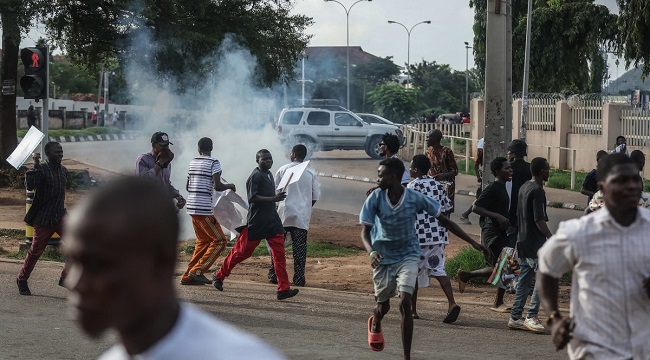
What makes this moment so gut-wrenching is its familiarity. EndSARS showed us both the power and peril of taking to the streets, reforms won, but at the cost of lives and lingering scars. Sowore, ever the firebrand, vows to keep pushing, even threatening to occupy police stations. But every canister fired, every shop shuttered, every commuter stranded adds weight to the scales of resentment.
The protest could unify Nigerians around a shared demand for fairness, especially if it pressures the courts to act on Kanu’s case with transparency. Or it could harden the government’s resolve, turning Kanu into a martyr and his cause into a rallying cry for separatism. Nigeria stands at a crossroads, its Renewed Hope agenda tested by whether it listens to the chants or drowns them out with tear gas.
What You Should Know
The FreeNnamdiKanuNow protest holds a mirror to Nigeria’s soul, reflecting both its yearning for justice and its readiness to fracture. It could spark global pressure and domestic dialogue, easing tensions in the southeast and proving that peaceful dissent still has teeth.
But the heavy-handed response, tear gas, arrests, and economic disruption, risks deepening mistrust, inflaming ethnic divides, and stifling civic courage. With Kanu’s trial looming, the outcome hinges on whether Tinubu’s government sees this as a chance to build bridges or a threat to crush.