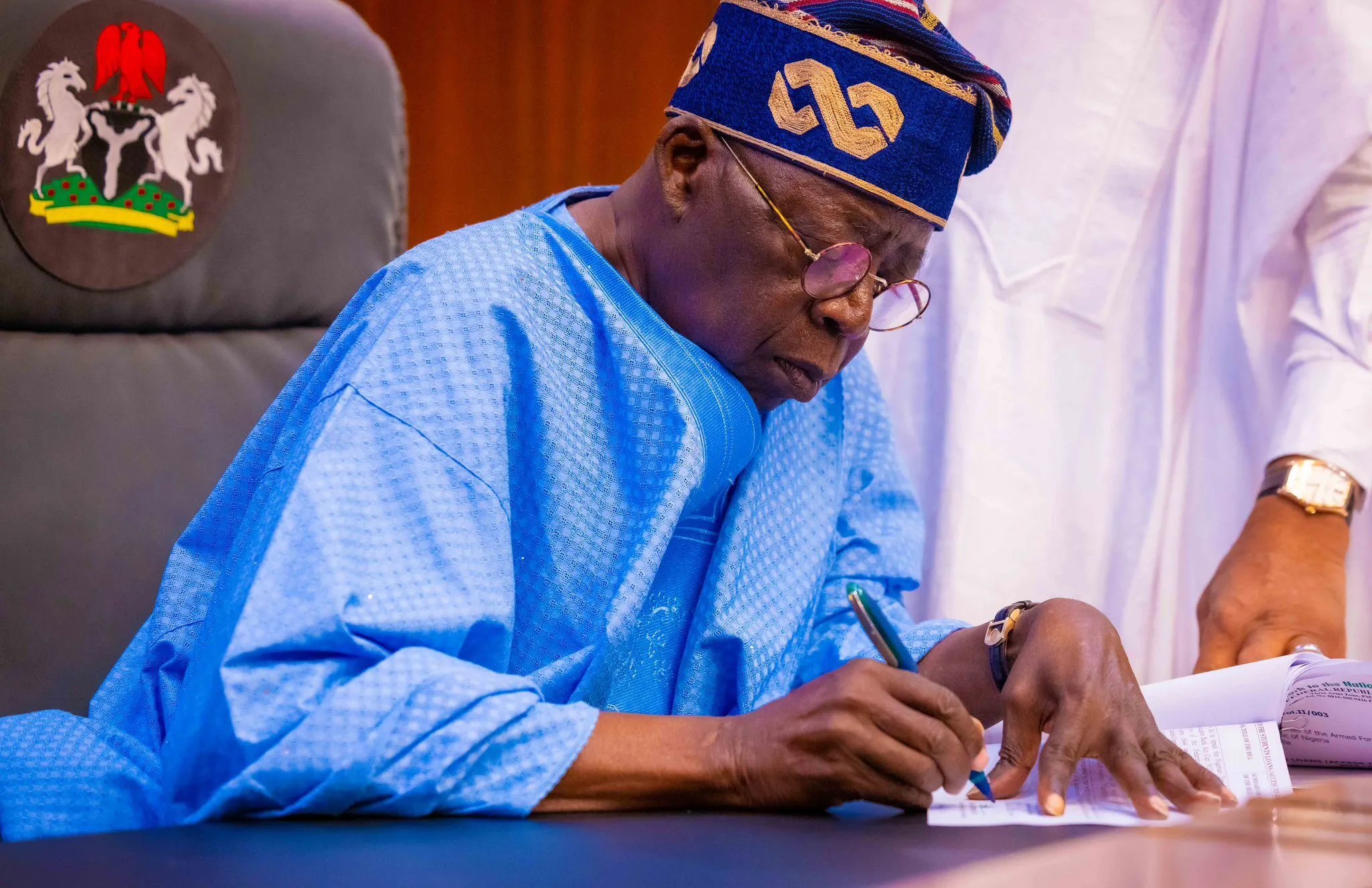
Nigeria’s external reserves have experienced a dramatic recovery, surging from less than $4 billion at the end of 2023 to over $23 billion in the second quarter of 2025, marking a significant milestone in the country’s economic turnaround under President Bola Tinubu’s administration.
The remarkable achievement was announced by Finance Minister and Coordinating Minister of the Economy, Wale Edun, during a Citizens and Stakeholders Engagement session on Presidential Priorities and Ministerial Deliverables held in Abuja on Monday.
The Central Bank of Nigeria confirmed that Nigeria’s net foreign exchange reserves stood at $23.11 billion at the end of 2024, their highest level in three years, representing a crucial improvement in the nation’s external financial position.
According to Minister Edun, this substantial increase reflects renewed investor confidence in Nigeria’s economy, evidenced by credit rating upgrades and major energy sector investments.
The reserves recovery comes as Nigeria enters what Edun described as the “third phase” of its comprehensive economic reform agenda, which is now focused on accelerating investment-led growth to create jobs, reduce inflation, and lift millions of Nigerians out of poverty.
“We are now in the third phase of our reform agenda, focused on accelerating investment-led growth that delivers jobs, reduces inflation, and lifts millions out of poverty. Our trajectory is clear—from macroeconomic correction to national transformation,” Edun stated during the engagement.
The minister outlined key achievements across critical reform pillars, including the stabilization of foreign exchange markets, the expansion of fiscal revenues, driving industrial investment, and improving social outcomes for Nigerian citizens.
The success includes closing the exchange premium from 65 percent in 2023 to one percent in 2024, demonstrating significant progress in currency market stability.
Minister of State for Finance, Dr. Doris Uzoka-Anite, emphasized the importance of stakeholder engagement in delivering tangible benefits from the reforms, noting that the platform enables citizens and the private sector to hold government officials accountable while helping shape a more responsive and transparent economy. She assured participants of the ministry’s commitment to delivering on its mandate through effective policy implementation and continued stakeholder engagement.
The quarterly engagement sessions are designed to foster transparency, accountability, and inclusive growth, providing a crucial platform for stakeholders to monitor progress and address challenges in the reform implementation process.
Permanent Secretary Special Duties at the Federal Ministry of Finance, Raymond Omachi, stressed that institutional collaboration and disciplined execution remain critical to sustaining the reform momentum. “We are working across ministries and agencies to ensure that reforms are not just announced but effectively implemented with measurable impact,” he emphasized.
The dramatic improvement in Nigeria’s external reserves comes amid broader economic reforms initiated by the Tinubu administration, including the removal of fuel subsidies and the unification of exchange rates.
While these measures initially caused economic hardship, the latest figures suggest the reforms are beginning to yield positive results in terms of fiscal stability and investor confidence.
The reserves buildup provides Nigeria with greater capacity to defend its currency, finance critical imports, and weather external economic shocks, positioning the country more favorably in international financial markets as it continues its economic transformation journey.
WHAT YOU SHOULD KNOW
Nigeria’s external reserves have dramatically recovered from under $4 billion at the end of 2023 to over $23 billion by mid-2025—a nearly six-fold increase that signals restored investor confidence and economic stability.
This turnaround, driven by comprehensive economic reforms including exchange rate unification and fiscal policy changes, demonstrates that Nigeria’s controversial but necessary reform measures are beginning to pay off.
The surge provides the country with crucial financial buffers to defend its currency, manage imports, and attract further investment, marking a significant milestone in the nation’s economic transformation under President Tinubu’s administration.