In a groundbreaking move that could reshape banking accessibility across West Africa, FirstBank of Nigeria Limited has unveiled an ambitious initiative to provide tailored financial services specifically designed for blind, partially sighted, and physically challenged customers throughout its extensive network.
The comprehensive program, announced by the bank’s leadership, represents one of the most significant accessibility commitments by a major African financial institution and underscores FirstBank’s strategic positioning as an industry leader in inclusive banking practices.
Phased Implementation Across Network
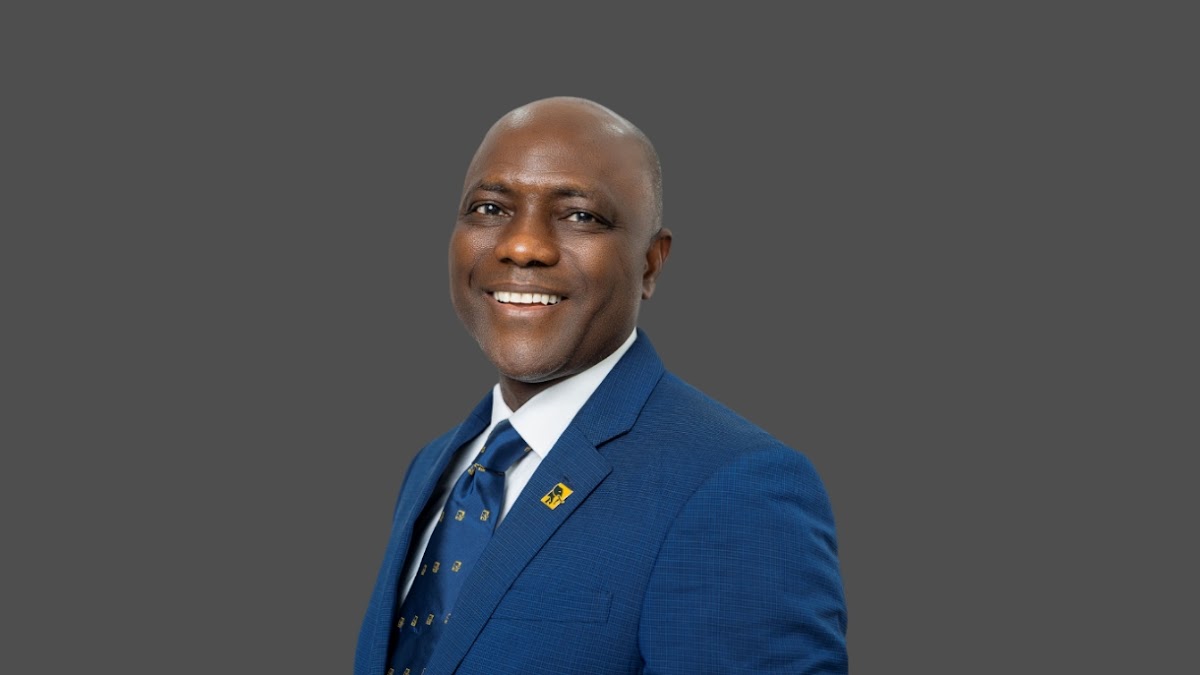
Patrick Akhidenor, Chief Risk Officer and Chairman of the FirstBank Sustainability Committee, emphasized the bank’s commitment to universal financial access during the announcement. “Everyone deserves access to financial services, whether physically or digitally,” Akhidenor stated. “We are providing financial services that are both accessible and affordable to visually impaired and physically challenged customers at all our touchpoints.”
The initiative will be implemented in phases across FirstBank’s entire operational footprint, which spans more than 820 business offices and reaches over 280,000 agent locations across 772 local government areas in Nigeria alone.
Technology-Driven Solutions
Central to the program are significant technological upgrades designed to eliminate barriers faced by customers with disabilities. The bank’s ATM fleet will undergo comprehensive modifications, incorporating high-contrast screens for customers with partial sight and voice-prompt command systems for navigation assistance.
Perhaps most notably, FirstBank will introduce debit cards featuring tactile motifs and Braille inscriptions—a first-of-its-kind innovation in the Nigerian banking sector. These cards will work in conjunction with enhanced soft PINs and security tokens designed to improve secure access across all banking channels.
The accessibility features extend beyond hardware modifications. Transaction documents will be made available in multiple formats, including Braille, audio recordings, large print versions, and digital formats optimized for screen readers. Product brochures and marketing materials will similarly be redesigned to ensure comprehensive customer engagement across all ability levels.
Regulatory Alignment and International Standards
The timing of FirstBank’s announcement aligns strategically with broader regulatory and international frameworks. The initiative directly supports the Central Bank of Nigeria’s ongoing financial inclusion strategy, which aims to increase access to financial services across underserved populations.
Additionally, the program demonstrates compliance with the United Nations Convention on the Rights of Persons with Disabilities, positioning FirstBank as a regional leader in implementing international accessibility standards within the financial services sector.
Broader Diversity Commitment
This accessibility initiative forms part of FirstBank’s wider commitment to diversity and inclusion, which extends throughout its organizational structure. Current workforce demographics show women comprising 41% of employees and holding 37% of management positions—figures that exceed industry averages across the region.
The bank’s internal FirstBank Women Network continues to drive gender equality initiatives, while its membership in UN Women reinforces alignment with the Women’s Empowerment Principles (WEPs), focusing on equal opportunity, inclusion, and non-discrimination across all operations.
Market Position and Recognition
FirstBank’s accessibility drive comes from a position of considerable market strength. Established in 1894, the institution holds the distinction of being West Africa’s oldest bank and maintains operations across Africa, Europe, and Asia. The bank currently serves over 43 million customer accounts and has issued more than 13 million cards.
The bank’s digital transformation has been particularly noteworthy, with over 25 million customers utilizing its digital platforms, including the popular *894# USSD banking service that requires no internet connection—a crucial accessibility feature in regions with limited connectivity.
Recent industry recognition has validated FirstBank’s strategic direction. In 2024 and 2025, the bank received multiple prestigious awards, including Best SME Bank in Nigeria and Africa from The Asian Banker, Best Private Bank for Sustainable Investing in Africa from Global Finance, and recognition as Nigeria’s Best Bank for ESG and Best Bank for Empowering Women Entrepreneurs.
Industry Impact and Future Implications
Financial inclusion experts suggest FirstBank’s comprehensive accessibility program could establish new industry standards across West Africa’s banking sector. The initiative addresses a significant market gap, with millions of people with disabilities across the region historically underserved by traditional banking services.
The program’s success could influence regulatory approaches to accessibility requirements and potentially accelerate similar initiatives among competing institutions across the continent.
As FirstBank continues its stated ambition of delivering “accelerated growth through customer-led innovation and disciplined execution,” this accessibility initiative reinforces its position as a benchmark setter for ethical, inclusive, and impactful banking practices in Africa.
The bank has not yet announced specific timelines for the phased rollout, though implementation is expected to begin across flagship locations before expanding to the broader network throughout 2025.
WHAT YOU SHOULD KNOW
FirstBank Nigeria is breaking new ground in African banking by launching comprehensive accessibility services for customers with disabilities—including Braille ATMs, tactile debit cards, and voice-guided banking.
This isn’t just about compliance; it’s about the continent’s oldest bank setting a precedent that could transform how 43 million customers and the broader West African banking sector approach financial inclusion.
The initiative demonstrates that accessibility and profitability can go hand-in-hand, potentially inspiring industry-wide change across a region where millions with disabilities have been historically excluded from mainstream financial services.