The Federal Government on Wednesday announced emergency measures to rescue Nigeria’s aviation sector from the devastating impact of soaring Jet A1 fuel prices on airline operators.
Minister of Aviation and Aerospace Development, Festus Keyamo, broke the news to journalists following a marathon closed-door meeting at the ministry, which brought together a high-powered delegation from the Federal Ministry of Petroleum Resources, airline operators, oil marketers, and other critical stakeholders in what insiders described as a crisis summit.
“The situation had reached a tipping point,” a source familiar with the discussions told the reporter. “Airlines were no longer asking if they could survive; they were asking how much longer they could hold on.”
For weeks, Nigeria’s aviation industry has been simmering with tension as the cost of Jet A1 fuel, the lifeblood of any airline operation, surged to levels that operators say have rendered their businesses financially unviable.
Airline executives, speaking privately ahead of Wednesday’s meeting, had warned that without urgent government intervention, service disruptions and possible groundings of aircraft were not merely possible; they were inevitable.
The price volatility, driven in part by foreign exchange pressures and global energy market fluctuations, has left carriers in a precarious bind: absorb the losses and bleed their balance sheets dry, or pass the costs on to passengers already struggling with the broader economic hardships sweeping the country. Neither option, industry voices argued, was sustainable.
Against that backdrop, Wednesday’s announcements carried considerable weight.
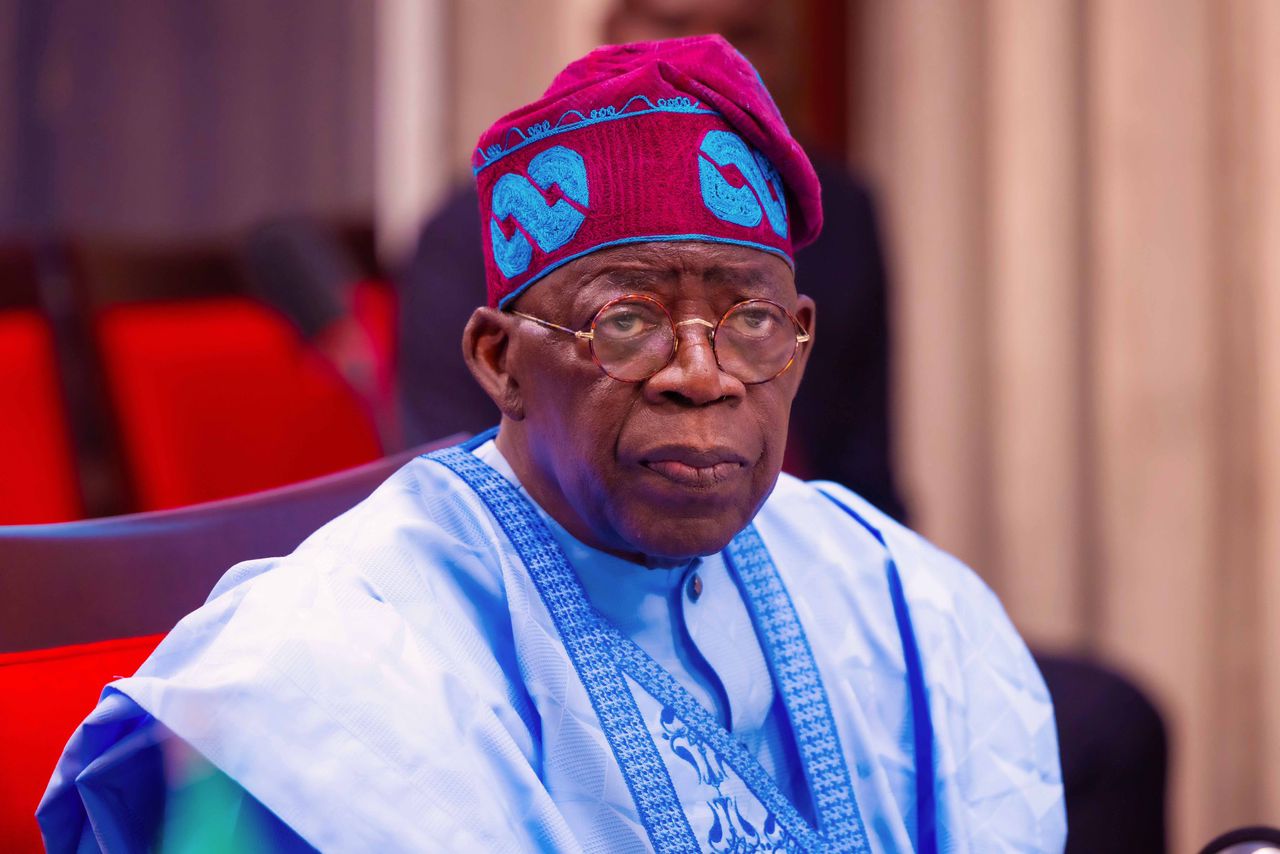
Keyamo revealed that President Bola Tinubu has personally approved a generous discount on certain outstanding fees owed to the Federal Government by airline operators, an immediate fiscal lifeline intended to free up cash flow and prevent the sector from hemorrhaging further.
While the minister did not specify the exact quantum of the discount or which fee categories would be covered, the gesture signals a clear shift in the presidency’s posture toward an industry it cannot afford to let collapse.
Beyond the debt relief, Keyamo disclosed that President Tinubu would, in the coming days, constitute a special committee with a clear mandate: review and slash the multiple taxes and levies currently embedded in airfares.
The layers of charges, accumulated over years of piecemeal regulation, have long been a source of grievance for both operators and passengers, and their removal or reduction could provide structural relief that outlasts any short-term intervention.
“The goal,” Keyamo stated, “is to ease the burden on both airline operators and passengers while improving the overall sustainability of the aviation industry.”
Wednesday’s announcements were broadly welcomed by stakeholders present at the meeting, though seasoned observers of Nigeria’s aviation sector will be watching closely to see how swiftly and faithfully the commitments translate into action. The industry has heard promises before.
The composition and timeline of the special tax committee will be closely scrutinized, as will the precise terms of the debt discount, particularly whether the relief will be deep enough to make a meaningful difference to carriers already operating on razor-thin margins.
What is beyond dispute is the urgency of the moment. With passenger traffic volumes still recovering, foreign exchange constraints continuing to squeeze aircraft leasing and maintenance costs denominated in dollars, and now a fuel crisis layered on top, Nigeria’s airlines are navigating what many describe as the most difficult operating environment in recent memory.
Wednesday’s emergency summit and the interventions announced thereafter reflect a government that, at least for now, understands the strategic importance of a functional aviation sector to Nigeria’s economy, trade, and connectivity.
Air travel is not merely a convenience for the country’s business class; it is an artery through which commerce, investment, and human movement flow across Africa’s most populous nation.
The coming days will reveal whether the Tinubu administration’s response is a genuine turning point or merely a pressure valve, buying time without fixing the underlying structural fault lines that have made Nigeria’s aviation industry so chronically vulnerable.
For now, the runway remains open. But the clock is ticking.
WHAT YOU SHOULD KNOW
Nigeria’s aviation sector is in crisis, driven primarily by unsustainable Jet A1 fuel costs that have pushed airlines to the edge of operational collapse.
The federal government has responded with two key interventions: a presidential-approved discount on outstanding fees owed by airlines and the imminent formation of a special committee to cut the multiple taxes buried in airfares.
While these measures signal that the Tinubu administration recognises the urgency, their real impact will depend entirely on swift and faithful implementation. The sector has seen promises before. What it needs now is action.