The Federal Government has rejected suggestions that President Bola Tinubu’s administration has pursued lopsided development, maintaining that all its policies and projects have been guided by fairness, equity and justice in the distribution of infrastructure, appointments and opportunities across Nigeria’s six geopolitical regions.
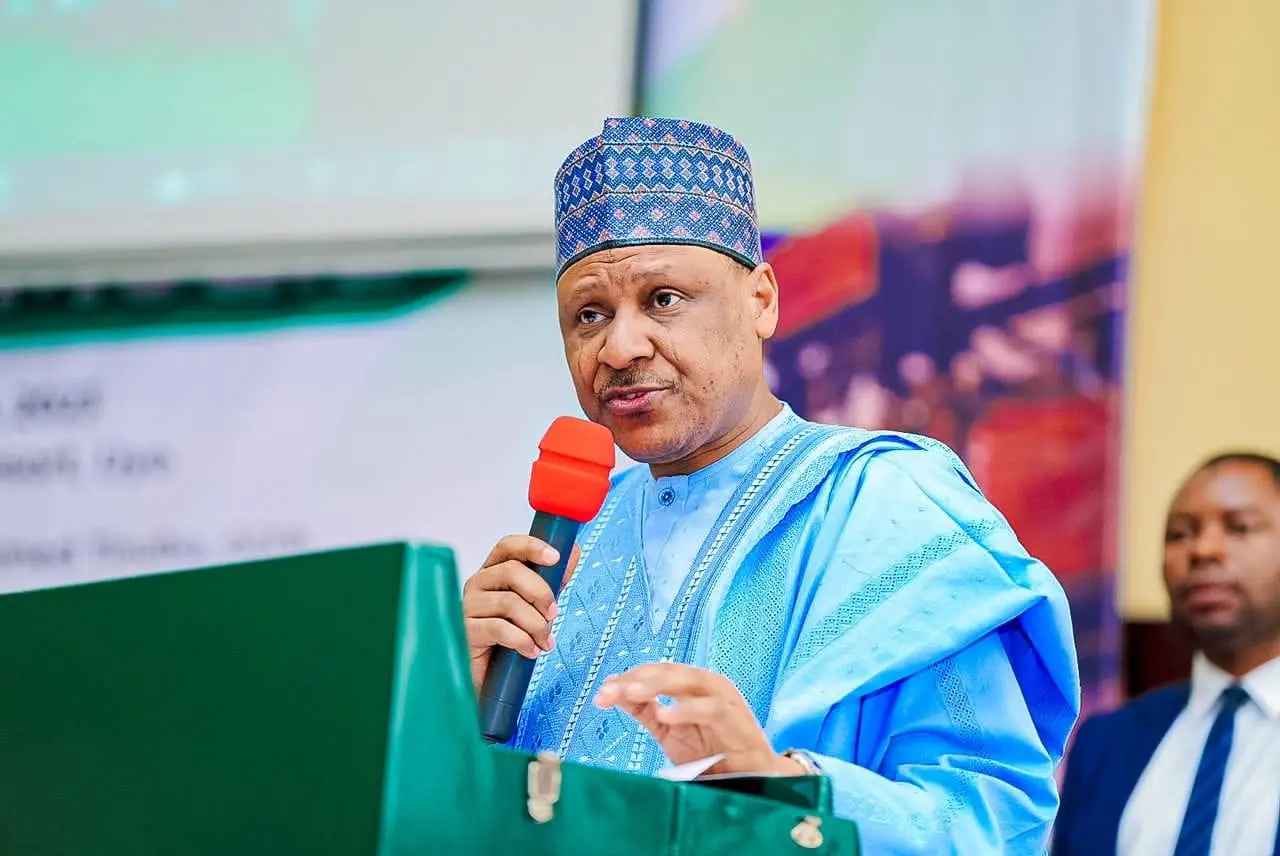
In a statement issued over the weekend, the Minister of Information and National Orientation, Alhaji Mohammed Idris, emphasized that the administration had demonstrated what he described as an “uncommon commitment” to inclusivity and balanced development since assuming power. He explained that the government’s major infrastructure projects had been deliberately spread across both northern and southern parts of the country.
According to the minister, while the Lagos–Calabar coastal highway connects the southern corridor, the Sokoto–Badagry superhighway links northern states, reflecting what he called a deliberate sense of balance that runs through every major infrastructure project being executed by the current government. He disclosed that interventions were being carried out simultaneously in areas such as roads, bridges, rail networks and power supply, with large-scale funding already secured for projects in multiple states.
Idris explained that the Federal Government had raised N150 billion and N100 billion for light rail projects in Kano and Kaduna respectively, while ongoing metroline projects in Lagos and Ogun were making steady progress. Collectively, he said, investments in the railway sector were projected to generate more than 250,000 jobs across the country. He further noted that the eastern corridor rail line stretching from Port Harcourt to Maiduguri was undergoing rehabilitation, alongside efforts to upgrade more than 1,000 primary health care centres nationwide.
Presenting what he described as verifiable data, the minister said that the northwest had so far received the highest allocation of capital projects, valued at N5.97 trillion, which represented more than 40 percent of the total approvals made by the government. He added that the south-south region followed with N2.41 trillion, while the north central had N1.13 trillion. Other allocations, he said, included N604 billion for the southwest excluding Lagos, N407 billion for the southeast, and N400 billion for the northeast.
He pointed out that legacy projects already being implemented under Tinubu’s leadership included the 750-kilometre Lagos–Calabar coastal highway, ongoing in Lagos, Cross River and Akwa Ibom; the 1,068-kilometre Sokoto–Badagry superhighway with work already started in Kebbi and Sokoto; the 465-kilometre Trans-Sahara highway in Ebonyi; and the Akwanga–Jos–Bauchi–Gombe road, redesigned for durability and ongoing across the north central corridor. Idris stressed that 52 percent of road projects were currently concentrated in northern Nigeria, while 48 percent were located in the southern part of the country.
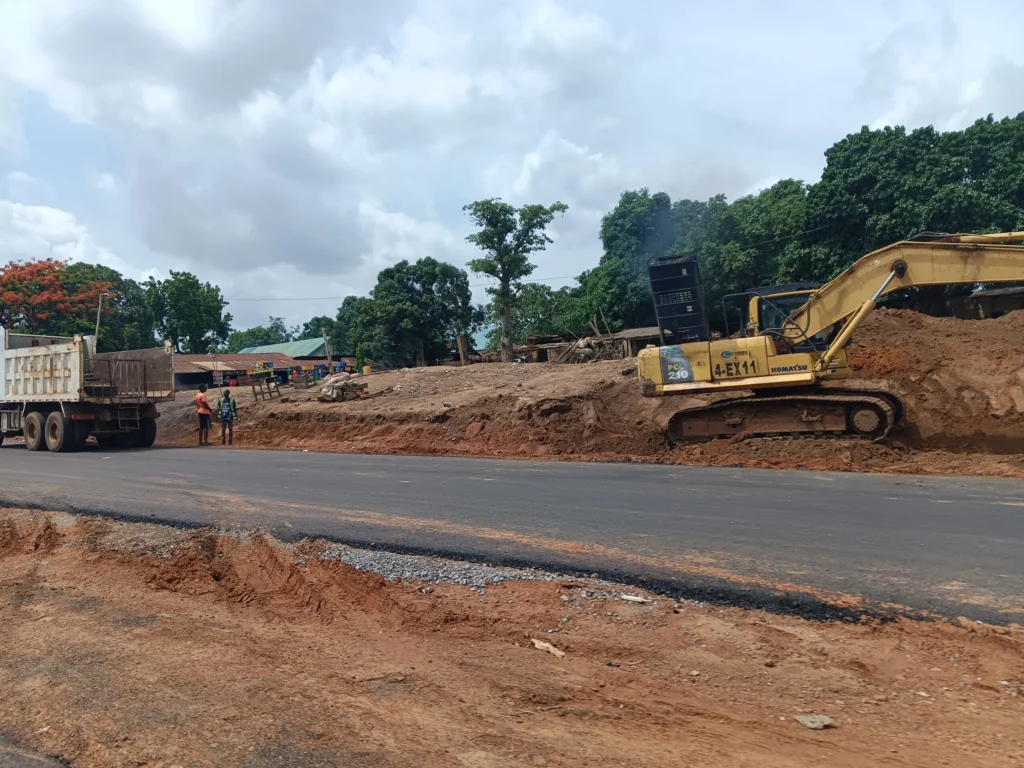
The minister also cited the Abuja–Kaduna–Kano dualisation project and the BUA tax credit roads in the north as examples of ongoing work, alongside southern projects such as the 2nd Niger Bridge access roads, the East–West road works, the Bodo–Bonny road project, and several major bridge rehabilitations. He revealed that beyond road and rail developments, the administration had also revived the 255MW Kaduna Power Plant, accelerated work on the AKK Gas Project, expanded oil exploration in Bauchi and Gombe, and pushed the Kano–Maradi rail project from 5 percent to 67 percent completion.
In his remarks, Idris highlighted that Tinubu’s vision was not limited to physical infrastructure. He said the government had also established five new regional development commissions and introduced the federal ministry of livestock development, both of which he described as evidence of fairness and inclusivity in appointments and governance.
“President Bola Ahmed Tinubu is building national infrastructure, not local trophies. His leadership is inclusive, his vision is unifying, and his commitment to equity and justice is unwavering. Nigerians can rest assured that under his watch, no part of this country will be left behind,” Idris declared.
What you should know
The Federal Government has rejected allegations of lopsided development under President Tinubu, stressing that projects and appointments are being shared fairly across Nigeria’s six geopolitical zones.
The Minister of Information and National Orientation, Mohammed Idris, said verifiable data shows an even spread of infrastructure projects, ranging from highways and rail lines to health centres and power plants.
He maintained that Tinubu’s administration remains committed to inclusivity, justice and equity, assuring Nigerians that no part of the country will be neglected.