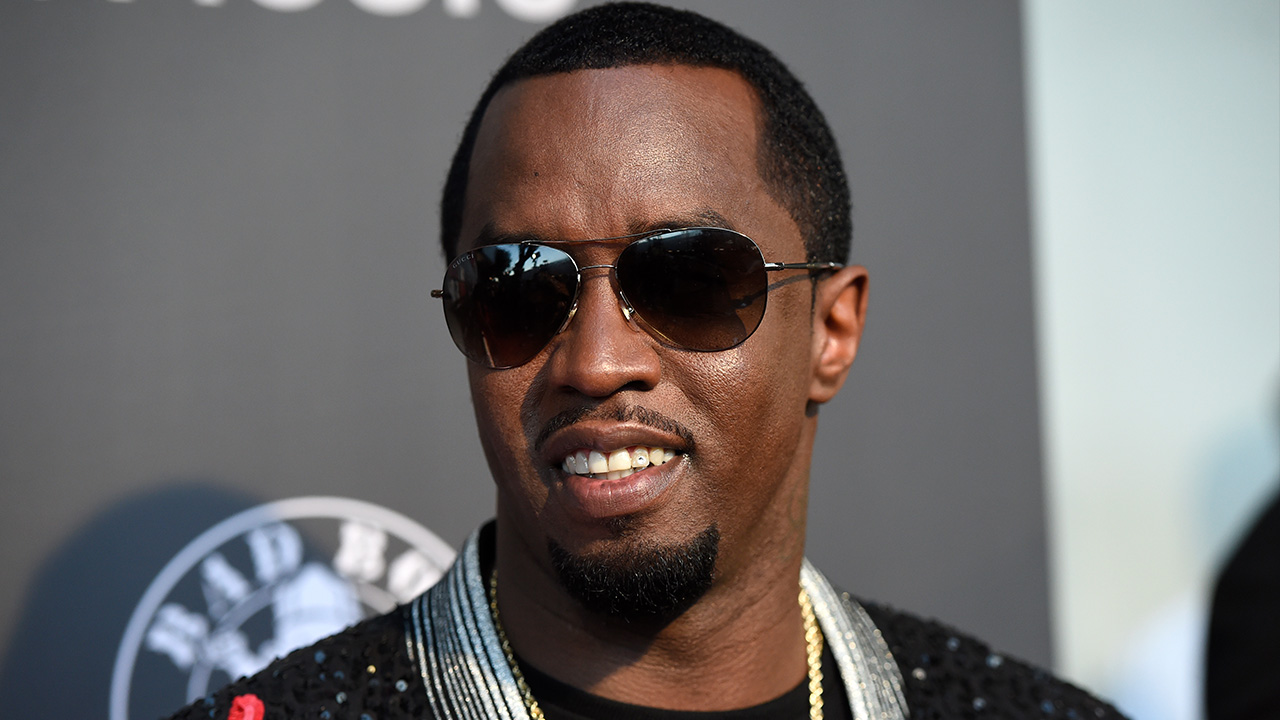
Music mogul Sean “Diddy” Combs faces the prospect of significantly more time behind bars than initially anticipated following his conviction on prostitution-related charges, as federal prosecutors signal they may seek a sentence well beyond the previously estimated four to five years.
In a decisive blow to the embattled hip-hop icon’s legal team, Judge Arun Subramanian denied bail, and Combs will remain in detention while he awaits his sentencing, scheduled for October 3rd. The 55-year-old entrepreneur has been held at the Metropolitan Detention Center in Brooklyn since his arrest.
Combs was found guilty on two counts of transportation to engage in prostitution but was acquitted of the more severe charges of racketeering conspiracy and sex trafficking that could have resulted in life imprisonment. The conviction centered on allegations that he arranged sexual encounters involving girlfriends and male sex workers, some of which prosecutors alleged were filmed.
Each prostitution count carries a maximum penalty of 10 years, meaning Combs faces up to 20 years in prison for the convictions. However, prosecutors now indicate that federal sentencing guidelines may justify a term substantially longer than their original recommendation.
Federal prosecutors have mounted a vigorous opposition to Combs’ $50 million bail request, filed on Thursday in new court documents obtained by various news outlets. They characterize the music executive as both a flight risk and a continued threat to public safety, citing what they describe as an “extensive history of violence.”
The government’s stance represents a hardline approach that underscores the severity with which they view Combs’ conduct, despite his acquittal on the most serious charges. Prosecutors argue that the defendant has failed to demonstrate “exceptional circumstances” that would warrant his release pending sentencing.
Combs’ attorney, Marc Agnifilo, has pushed back against the detention, arguing his client has been subjected to unfair treatment and poor jail conditions. The defense maintains that Combs poses no danger to the public, characterizing his lifestyle as that of consenting adults engaged in what Agnifilo termed a “swingers lifestyle.”
The defense has emphasized Combs’ commitment to his seven children as a compelling reason for bail, suggesting that family responsibilities demonstrate his ties to the community and reduce any flight risk.
The October 3rd sentencing date was confirmed during a remote hearing, with a pre-sentence investigation report being prepared by probation officers to assist Judge Subramanian in determining the appropriate punishment.
The case represents one of the highest-profile prosecutions of a music industry figure in recent years, with the mixed verdict coming after three days of jury deliberations that followed six weeks of testimony.
As the October sentencing date approaches, all eyes will be on Judge Subramanian’s decision regarding both the length of Combs’ prison term and any final bail considerations. The substantial difference between the prosecution’s enhanced sentencing request and the defense’s arguments for leniency suggests the hearing will be closely watched by both the entertainment industry and legal observers.
Combs will receive credit for the 10 months he has already served while awaiting trial, though this represents a fraction of the potential sentence he now faces.
The case marks a dramatic fall for one of hip-hop’s most influential figures, whose Bad Boy Records helped shape the genre in the 1990s and whose business empire once made him one of the wealthiest entertainers in America.
WHAT YOU SHOULD KNOW
Sean “Diddy” Combs, once one of hip-hop’s most powerful figures, now faces up to 20 years in prison after being convicted on two prostitution charges, despite beating more serious racketeering and sex trafficking charges that could have meant life behind bars.
Federal prosecutors are pushing for a sentence “substantially higher” than the originally estimated 4-5 years, and he remains locked up at Brooklyn’s Metropolitan Detention Center until his October 3rd sentencing after being denied $50 million bail.