The Federal Executive Council has approved a seven-year suspension on the creation of new federal tertiary institutions nationwide as part of efforts to address the problem of duplication and enhance the standard of existing schools.
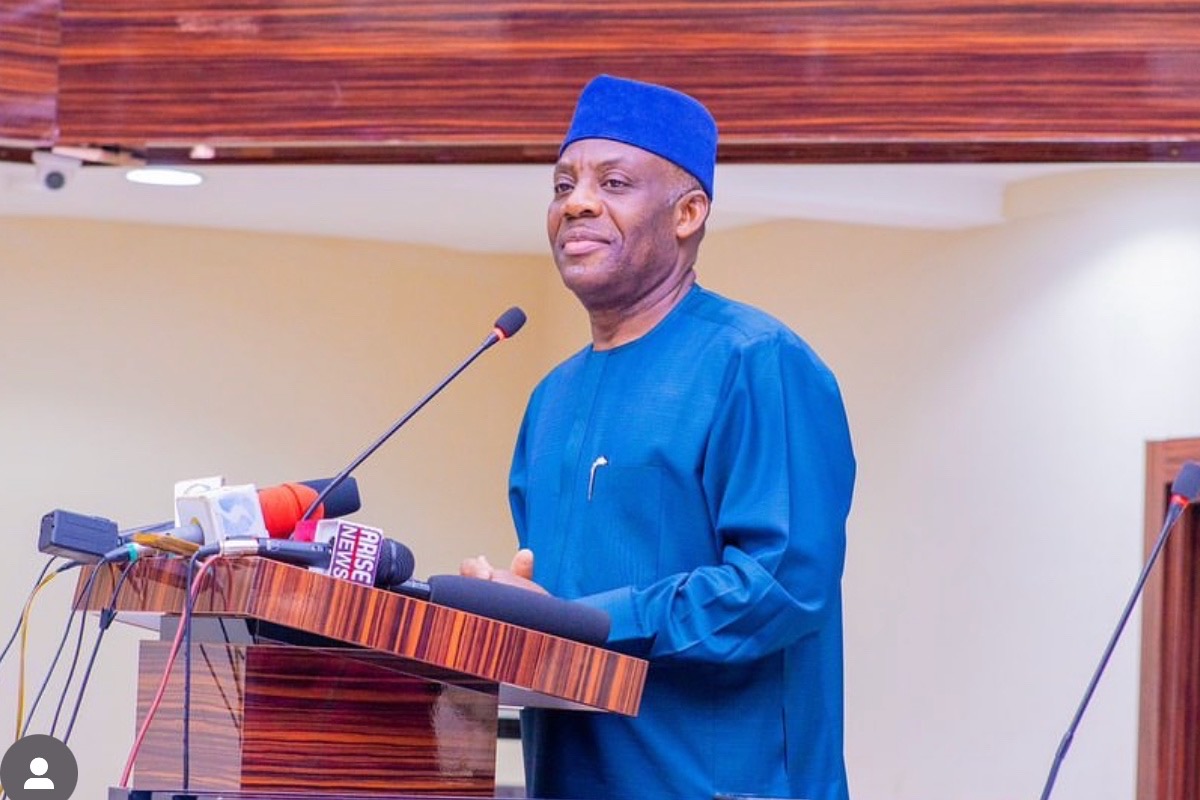
Speaking to journalists after Wednesday’s council meeting, Minister of Education, Tunji Alausa, explained that access to tertiary education was no longer a pressing challenge in the country.
“Several federal universities operate far below capacity, with some having fewer than 2,000 students. In one northern university, there are 1,200 staff serving fewer than 800 students. This is a waste of government resources,” he said.
According to him, the widespread duplication of new federal universities, polytechnics, and colleges of education has significantly reduced the operational capacity of these institutions. The newly approved memo also mandates a review and reform of guidelines for establishing private universities to ensure efficiency in the system.
Alausa pointed out that data from the most recent Joint Admissions and Matriculation Board (JAMB) admission exercise revealed that many institutions had fewer than 100 applicants seeking admission. He warned that the unchecked spread of underpopulated institutions could lead to poorly trained graduates, diminish the global value of Nigerian degrees, and further contribute to unemployment.
He emphasized that the moratorium would allow the government to focus on upgrading infrastructure, recruiting qualified personnel, and increasing the capacity of existing institutions.
“If we want to improve quality and not be a laughing stock globally, the pragmatic step is to pause the establishment of new federal institutions,” he added.
What you should know
The Federal Executive Council’s decision to halt the creation of new federal tertiary institutions for seven years is aimed at curbing duplication, improving academic standards, and ensuring optimal use of resources.
Minister Tunji Alausa stressed that the move would help strengthen existing universities, polytechnics, and colleges of education rather than stretching limited resources over more institutions.