Introduction
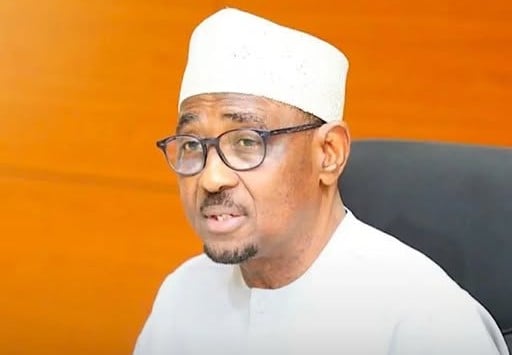
In the high-stakes world of Nigerian petroleum regulation, few resignations have been as dramatic and consequential as that of Engineer Farouk Ahmed on December 17, 2025. As the pioneer Chief Executive Officer of the Nigerian Midstream and Downstream Petroleum Regulatory Authority (NMDPRA), Ahmed occupied one of the most powerful positions in Nigeria’s oil and gas sector, a role that placed him at the center of policy decisions affecting Africa’s largest oil producer. His sudden resignation, following explosive corruption allegations by Africa’s richest man, Aliko Dangote, has sent shockwaves through Nigeria’s energy sector and reignited national conversations about public accountability, regulatory capture, and the endemic corruption that continues to plague Nigerian institutions. This is the story of a technocrat who rose to regulate billions of dollars in petroleum transactions, only to face accusations of spending millions on his children’s elite Swiss education while serving as a public official.
Early Life and Background
Farouk Ahmed was born and raised in Bauchi State, northeastern Nigeria, in a disciplined household that emphasized education, integrity, and service, values that would later seem ironic given the allegations that ended his career. Growing up during Nigeria’s oil boom years, young Farouk was exposed to the nation’s evolving economic and industrial landscape, which sparked his interest in energy, infrastructure, and national development.
From an early age, Ahmed displayed strong analytical skills and natural curiosity about how systems worked. His fascination with science, mathematics, and problem-solving guided him toward an engineering career, a path that would eventually lead him to the pinnacles of Nigeria’s petroleum regulatory establishment.
His formative years coincided with significant transformations in Nigeria’s oil and gas industry, helping define his long-term professional focus on energy regulation and policy implementation.
Educational Journey
Tertiary Education in the United States
Ahmed pursued his higher education in the United States, where he earned a Bachelor of Science degree in Engineering Technology from Southern Illinois University Carbondale. This American education provided him with technical expertise and exposure to international best practices in engineering and industrial management.
Professional Development
Throughout his career spanning over 35 years, Ahmed attended numerous executive, management, and leadership training programs globally across Europe and North America. These programs enhanced his technical capabilities and prepared him for senior management positions in Nigeria’s petroleum sector.
Professional Memberships
Ahmed’s professional credentials include:
- Fellow of the Nigerian Society of Engineers (NSE)
- Member of the Institute of Electrical and Electronics Engineers (IEEE-USA)
- Registered Member of the Council for the Regulation of Engineering in Nigeria (COREN)
These memberships demonstrated his commitment to professional excellence and adherence to engineering standards, credentials that gave him credibility as a regulator.
Career Trajectory: From Silicon Valley to Nigerian Oil Fields
Early Career at Apple Computer Inc.
Ahmed’s professional journey began far from Nigeria’s oil fields. His first job after graduating was as a Logic Board Verification Engineer at Apple Computer Inc. in California. This experience in Silicon Valley’s tech industry during the personal computer revolution provided him with exposure to cutting-edge technology, corporate governance practices, and systems thinking.
Working at Apple in its formative years gave Ahmed insights into how successful organizations balance innovation with operational discipline, lessons that would inform his later regulatory philosophy.
Return to Nigeria’s Petroleum Sector
After his stint in American tech, Ahmed returned to Nigeria and built a distinguished career in the oil and gas industry. Over more than three decades, he worked across various dimensions of Nigeria’s petroleum sector, gaining expertise in:
- Downstream operations (refining, distribution, marketing)
- Midstream activities (transportation, storage)
- Regulatory frameworks and policy implementation
- Corporate governance and compliance
His extensive experience made him an obvious choice when Nigeria needed a pioneer CEO to lead the newly created NMDPRA following the enactment of the Petroleum Industry Act (PIA) in 2021.
The NMDPRA Appointment: A Historic Opportunity
The Petroleum Industry Act and Regulatory Reform
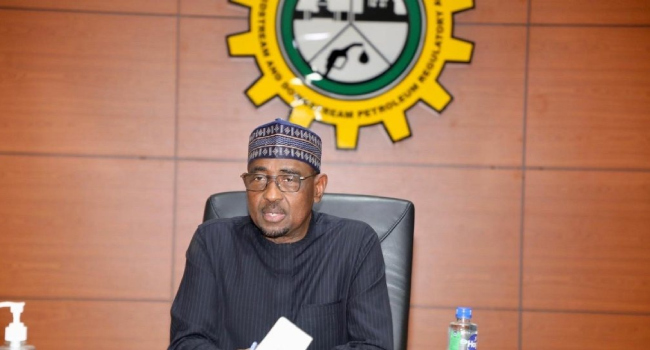
In August 2021, President Muhammadu Buhari signed the Petroleum Industry Act (PIA) into law after nearly two decades of legislative delays. This landmark legislation fundamentally restructured Nigeria’s oil and gas sector, creating new regulatory agencies to replace the defunct Department of Petroleum Resources (DPR).
The PIA established two main regulatory bodies:
- Nigerian Upstream Petroleum Regulatory Commission (NUPRC) – for exploration and production
- Nigerian Midstream and Downstream Petroleum Regulatory Authority (NMDPRA) – for refining, transportation, storage, and distribution
Appointment as Pioneer CEO
In 2021, President Buhari appointed Engineer Farouk Ahmed as the pioneer Chief Executive Officer of the NMDPRA, a position of immense power and responsibility. As CEO, Ahmed was tasked with:
- Establishing the regulatory framework for midstream and downstream operations
- Licensing refineries, depots, and petroleum marketing companies
- Setting quality standards for petroleum products
- Regulating fuel pricing mechanisms
- Ensuring transparency and efficiency in the sector
His appointment was widely celebrated in industry circles, with many viewing him as a competent technocrat capable of bringing discipline to Nigeria’s notoriously chaotic petroleum sector.
The Dangote Refinery Controversy: Seeds of Conflict
Initial Tensions (2024)
The first public signs of conflict between Ahmed and Aliko Dangote emerged in 2024, when disputes between the NMDPRA and the Dangote Refinery spilled into the public arena. Ahmed made controversial statements suggesting that the Dangote Refinery’s diesel had higher sulfur content (approximately 1,000 parts per million) compared to imported products, implying inferior quality.
He also stated that the Dangote Refinery, despite having been selling diesel and aviation fuel for months, remained unlicensed and was still in the “pre-commissioning stage”, comments that drew fierce criticism from Dangote and his supporters.
Ahmed further warned against what he described as the “risk of monopoly” if oil marketers were compelled to rely exclusively on one domestic refinery, a statement widely interpreted as targeting Dangote.
These regulatory positions positioned Ahmed as an obstacle to Dangote’s ambitions to dominate Nigeria’s petroleum product market with his $20 billion refinery, the world’s largest single-train facility.
Allegations of Import License Sabotage (December 2025)
On Sunday, December 15, 2025, the simmering tensions exploded into public view. At a dramatic press conference at the Dangote Refinery in Lagos, Aliko Dangote accused Ahmed and the NMDPRA leadership of economic sabotage, claiming that the continued issuance of import licenses for petroleum products was deliberately frustrating domestic refiners and perpetuating Nigeria’s dependence on fuel imports.
Dangote alleged that Ahmed was colluding with international traders and oil importers to the disadvantage of local operators, effectively undermining Nigeria’s energy security and economic interests.
The Corruption Bombshell: $7 Million for Swiss Schools
The December 16 Petition
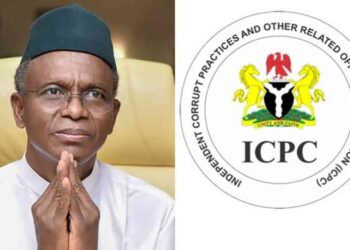
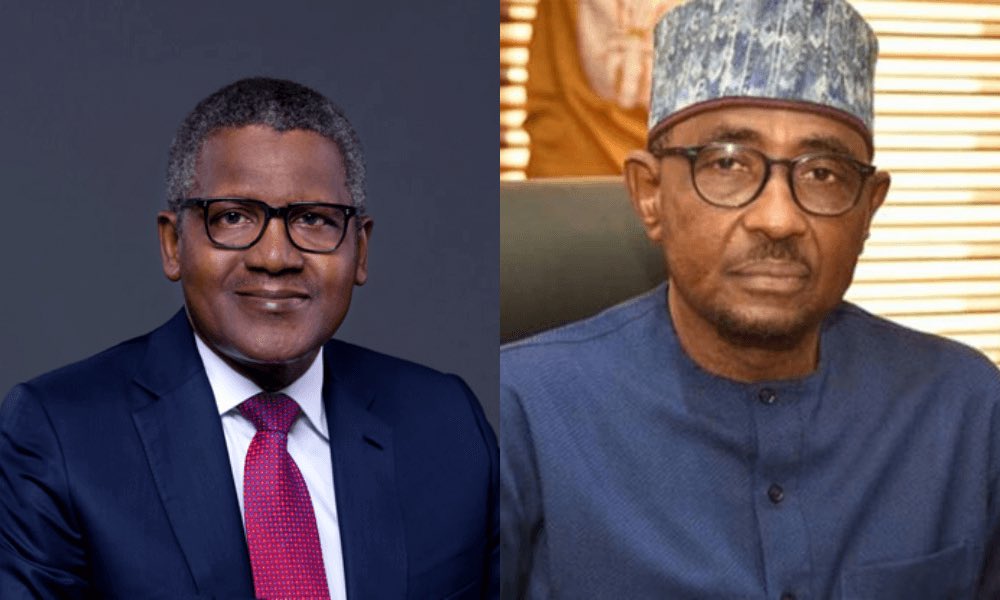
On Monday, December 16, 2025, Dangote escalated the confrontation to a new level. Through his lawyer, Ogwu Onoja, he submitted a formal petition to the Independent Corrupt Practices and Other Related Offences Commission (ICPC), requesting the arrest, investigation, and prosecution of Engineer Farouk Ahmed for corruption, abuse of office, and illicit enrichment.
The petition contained explosive allegations that Ahmed had been “living beyond his means” as a career civil servant, spending astronomical sums on his children’s education that could not be justified by legitimate public service salaries.
The Elite Swiss Schools
Dangote’s petition meticulously detailed Ahmed’s alleged expenditures on his four children’s education at some of Switzerland’s most exclusive and expensive boarding schools:
The Children (as named in the petition):
- Faisal Farouk
- Farouk Jr.
- Ashraf Farouk
- Farhana Farouk
The Schools (elite Swiss institutions):
- Institut Le Rosey – Known as the “School of Kings,” Le Rosey is arguably the world’s most expensive school, with annual fees exceeding $130,000
- Aiglon College – An exclusive international boarding school in the Swiss Alps
- Montreux School – A prestigious private school on Lake Geneva
- La Garenne International School – An elite international school in the Swiss mountains
The Financial Breakdown
According to Dangote’s calculations presented in the petition:
Secondary Education (Six Years):
- Total spent: Approximately $5 million
- Cost per child annually: Approximately $200,000 (covering tuition, living expenses, air travel, and upkeep)
- Duration: Six years across four children
Tertiary Education:
- Total spent: Approximately $2 million
- Cost per child: $125,000 annually over four years
- Special mention: One child allegedly received $210,000 for a 2025 Harvard MBA program
Grand Total: Over $7 million in educational expenses for four children
The Core Allegation
Dangote’s central argument was devastating in its simplicity: These expenditures could not possibly be justified by the total earnings of a career public servant. Even if Ahmed had worked in the Nigerian civil service and public sector for 35 years, his legitimate salaries, allowances, and pensions could not have generated the wealth needed to spend $7 million on his children’s education alone, not accounting for his own living expenses, properties, vehicles, and other lifestyle costs.
The implication was clear: Ahmed must have been enriching himself illegally through his powerful regulatory position, either through bribes, kickbacks, embezzlement of public funds, or abuse of office for personal gain.
Ahmed’s Response: Silence and Denial
The Initial Statement
Following the explosive allegations, Ahmed issued a terse statement on December 16, 2025, describing Dangote’s claims as “wild and spurious.” He stated:
“While I am aware of the wild and spurious allegations made against me and my family and the frenzy it has generated, as a regulator of a sensitive industry, I have opted not to engage in public brickbat.”
This response was notable for what it did not do: it did not deny the specific claims about his children’s schools or the amounts spent. It did not explain how he could afford such expenses on a civil servant’s salary. It did not provide evidence of legitimate sources of wealth.
Instead, Ahmed chose dignified silence, a strategy that might work in normal times but proved inadequate in the face of detailed, public allegations backed by specific schools, names, and amounts.
The Presidential Summons and Resignation
The Meeting with President Tinubu
On Wednesday, December 17, 2025, less than 48 hours after Dangote’s bombshell petition, President Bola Ahmed Tinubu summoned Engineer Farouk Ahmed to the State House in Abuja. The meeting occurred in the late afternoon, with Ahmed arriving dressed in traditional attire.
Ahmed spent less than 30 minutes with the President before leaving the premises. When journalists attempted to get a statement, he declined, saying: “It’s already late for an interview. It’s past 5 p.m. Work has closed.”
The brevity of the meeting and Ahmed’s refusal to speak suggested he knew what was coming.
The Resignation Announcement
Later that same day, Bayo Onanuga, the Presidential spokesman, announced that Engineer Farouk Ahmed had resigned as Managing Director of the NMDPRA. Simultaneously, Gbenga Komolafe, CEO of the Nigerian Upstream Petroleum Regulatory Commission (NUPRC), also resigned, though Komolafe’s departure appeared unrelated to the Dangote controversy.
The speed of Ahmed’s departure, from public allegations on Monday to resignation by Wednesday, indicated the seriousness with which President Tinubu viewed the corruption claims and their potential to damage his administration’s reputation.
Nomination of Replacement
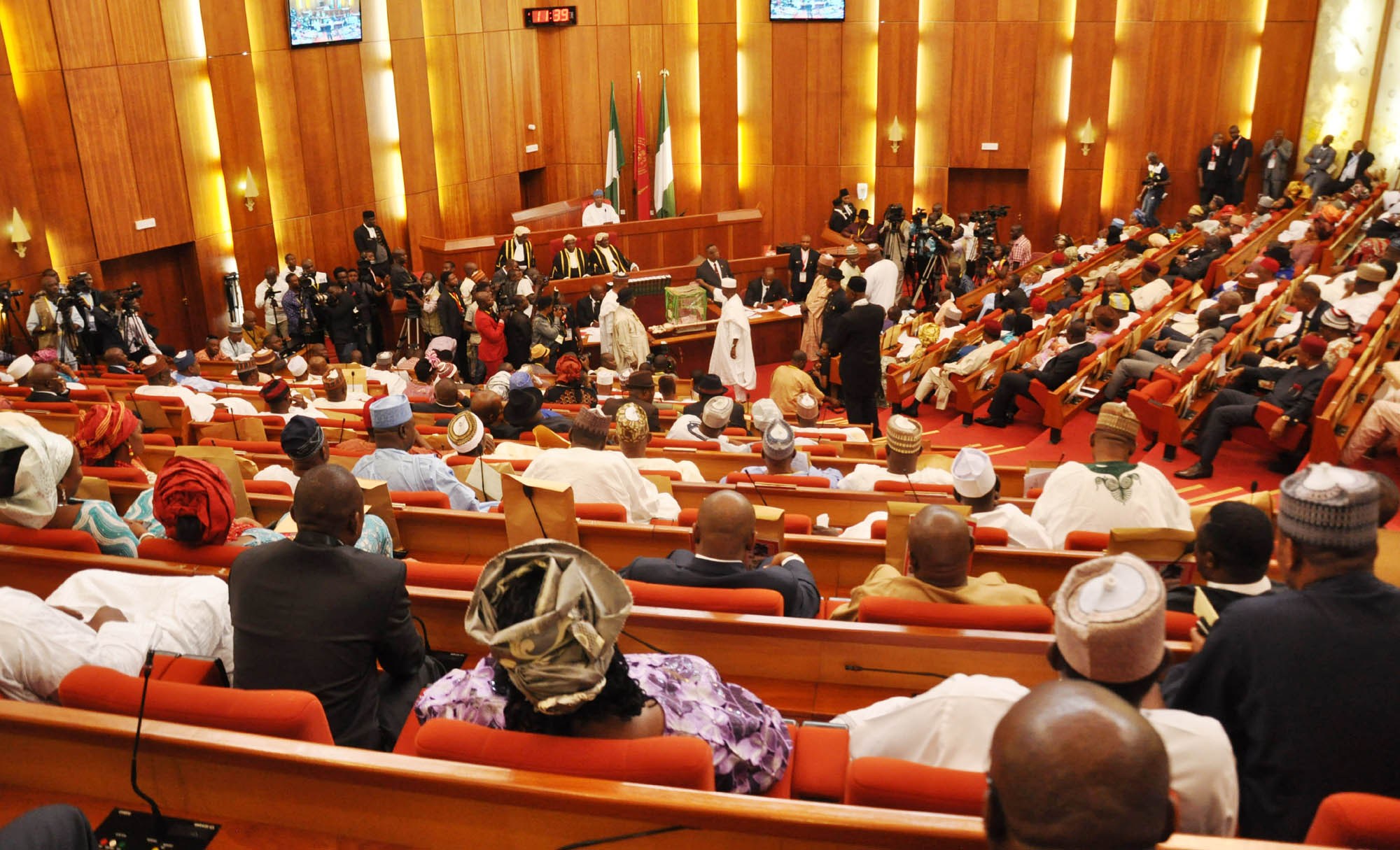
President Tinubu moved quickly to fill the vacuum, nominating Engineer Saidu Aliyu Mohammed as Ahmed’s replacement and sending his name to the Senate for expedited confirmation. Mohammed, born in 1957 in Gombe, is a chemical engineering graduate of Ahmadu Bello University (1981) with extensive experience in Nigeria’s oil and gas sector, including serving as Managing Director of Kaduna Refining and Petrochemical Company.
Legal and Political Ramifications
ICPC Confirmation
The Independent Corrupt Practices Commission (ICPC) confirmed receipt of Dangote’s petition and indicated it would investigate the allegations. This means that despite his resignation, Ahmed could still face criminal prosecution if the investigation substantiates the corruption claims.
Nigerian Bar Association’s Position
The Nigerian Bar Association (NBA), through its President Afam Osigwe (SAN), insisted that Ahmed’s resignation should not be the end of the matter. In an interview on Arise News TV, Osigwe warned:
“Serious corruption allegations such as forgery and false asset declarations must be thoroughly investigated and should not end merely with a public officer stepping aside. Resignation does not amount to exoneration and should not be treated as closure where grave allegations have been raised.”
Osigwe cautioned against a recurring pattern where allegations emerge, a resignation follows, and public interest fades without any transparent or conclusive inquiry, a pattern that creates impunity and weakens institutions.
House of Representatives Intervention
The House of Representatives summoned both Ahmed and Dangote, asking them to stop making public comments while the matter was investigated. This intervention highlighted the political sensitivity of the confrontation between Nigeria’s most powerful businessman and a senior government regulator.
Calls for Prosecution
Activist Timi Frank, former Deputy National Publicity Secretary of the All Progressives Congress (APC), welcomed Ahmed’s resignation but insisted it was “only the beginning, not the conclusion.” He urged the Economic and Financial Crimes Commission (EFCC), ICPC, and other anti-corruption agencies to immediately investigate and prosecute Ahmed, stating:
“Resignation is not an admission of guilt, but it is only the first step. What must follow is a full investigation and, where necessary, arrest and prosecution.”
The Broader Implications
Regulatory Capture and Conflict of Interest
The Ahmed-Dangote confrontation exposed fundamental questions about regulatory independence in Nigeria:
- Was Ahmed acting as an independent regulator protecting public interest, or was he captured by international oil traders who benefited from continued fuel imports?
- Was Dangote seeking genuine regulatory reform or trying to use his wealth and influence to eliminate regulatory obstacles to his refinery’s market dominance?
- Can Nigeria’s regulatory agencies function independently when regulators allegedly enrich themselves through their positions?
Asset Declaration and Enforcement
Ahmed’s case highlights Nigeria’s chronic failure to enforce asset declaration requirements for public officials. Under Nigerian law, all public officials must declare their assets upon assumption of office and periodically thereafter. If Ahmed’s children were indeed attending schools costing hundreds of thousands of dollars annually, these expenses and the source of funds should have been declared and verified by the Code of Conduct Bureau.
The apparent failure of this system, if Ahmed was spending millions without triggering alarms, suggests either:
- He fraudulently declared false assets
- The declaration system is not properly enforced
- Or both
The Cost of Elite Education and Public Service Ethics
The scandal also raised uncomfortable questions about the growing gap between Nigeria’s elite and ordinary citizens. While millions of Nigerian children attend schools without chairs, roofs, or teachers, a public official allegedly spent $7 million sending four children to Swiss boarding schools, funds Dangote claims came from public resources.
This disparity embodies everything Nigerians resent about their political class: the ostentatious display of wealth amid widespread poverty, the prioritization of personal luxury over public welfare, and the apparent impunity with which public officials loot the treasury.
Personal Life and Family
Marriage and Children
Engineer Farouk Ahmed is married with four children, the same four whose education became the center of national controversy:
- Faisal Farouk
- Farouk Jr.
- Ashraf Farouk
- Farhana Farouk
Little public information exists about his wife or his personal life prior to this scandal, as Ahmed maintained privacy about his family, a privacy that would ultimately be shattered by the allegations.
Net Worth Estimates
Prior to the scandal, Ahmed’s estimated net worth ranged between $800,000 to $3 million, based on his long career in public service and the oil and gas industry. However, if Dangote’s allegations are accurate and Ahmed spent over $7 million on education alone, his actual wealth and its sources remain deeply questionable.
Legacy and Lessons
A Cautionary Tale
Engineer Farouk Ahmed’s story serves as a cautionary tale about the corrupting influence of power, the importance of regulatory independence, and the consequences of living beyond one’s legitimate means while serving in public office.
His rapid fall, from respected technocrat to disgraced former official facing potential prosecution, demonstrates that in today’s Nigeria, even powerful regulators are not immune from accountability when credible allegations emerge and when powerful forces like Dangote apply pressure.
Unanswered Questions
Several critical questions remain unanswered as of December 2025:
- Did Ahmed actually spend $7 million on his children’s education? Dangote provided names and schools, but independent verification is still pending.
- If true, where did the money come from? Were these legitimate savings, family wealth, or proceeds of corruption?
- Will he face criminal prosecution? Or will his resignation be treated as sufficient accountability?
- What does this mean for Dangote’s refinery? Will the new NMDPRA CEO be more accommodating to local refining?
- Was this a legitimate anti-corruption action or a powerful businessman eliminating a regulatory obstacle?
Conclusion: Power, Accountability, and the Nigerian Question
The rise and fall of Engineer Farouk Ahmed encapsulates the enduring contradictions of Nigerian governance: technocratic competence coexisting with alleged corruption; powerful regulatory positions vulnerable to personal enrichment; and the constant tension between private interest and public service.
Whether Ahmed is ultimately proven guilty or innocent in a court of law, his resignation under such circumstances represents a significant moment in Nigerian anti-corruption efforts, a reminder that allegations backed by specifics and pursued by powerful actors can still topple even well-connected officials.
As investigations proceed and as Nigeria’s petroleum sector adjusts to new regulatory leadership, the Ahmed scandal will likely be remembered as a defining moment in the battle between Dangote’s refinery ambitions and the forces that benefit from the status quo of fuel imports.
For now, a once-powerful regulator has fallen, his legacy forever tainted by questions about Swiss schools, millions of dollars, and the yawning gap between public service salaries and elite private education.
The Nigerian people, long suffering from corruption that steals their resources and undermines their development, can only hope that this time, unlike so many times before, resignation will not be the end, but the beginning of genuine accountability.
Quick Reference: Engineer Farouk Ahmed at a Glance
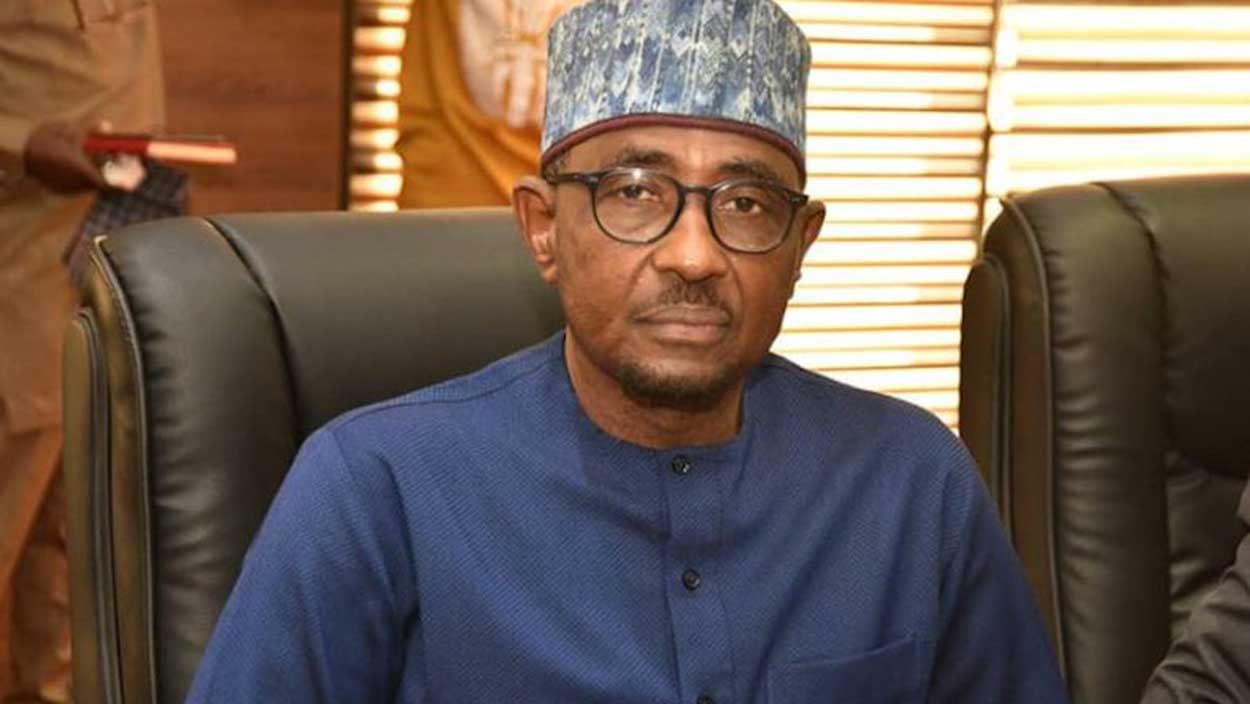
Full Name: Farouk Ahmed
Former Position: Chief Executive Officer, Nigerian Midstream and Downstream Petroleum Regulatory Authority (NMDPRA)
Appointed: 2021 (by President Muhammadu Buhari)
Resigned: December 17, 2025
Reason for Resignation: Corruption allegations by Aliko Dangote
Education:
- Bachelor of Science in Engineering Technology, Southern Illinois University Carbondale, USA
- Numerous executive and leadership training programs globally
Professional Memberships:
- Fellow, Nigerian Society of Engineers (NSE)
- Member, Institute of Electrical and Electronics Engineers (IEEE-USA)
- Registered Member, Council for the Regulation of Engineering in Nigeria (COREN)
Career Highlights:
- Logic Board Verification Engineer, Apple Computer Inc. (early career)
- 35+ years in Nigeria’s oil and gas sector
- Pioneer CEO of NMDPRA (2021-2025)
Allegations:
- Spending $5 million on children’s secondary education in Swiss schools
- Spending $2 million on children’s tertiary education
- Total alleged misuse: Over $7 million
- Living beyond means as a career civil servant
- Economic sabotage through regulatory actions
Family: Married with four children (Faisal, Farouk Jr., Ashraf, Farhana)
Previous Net Worth Estimates: $800,000 – $3 million
Current Status: Under investigation by ICPC; potential prosecution pending
Replacement: Engineer Saidu Aliyu Mohammed (nominated by President Tinubu)
Notable Quote: “While I am aware of the wild and spurious allegations made against my family and me… I have opted not to engage in public brickbat.”