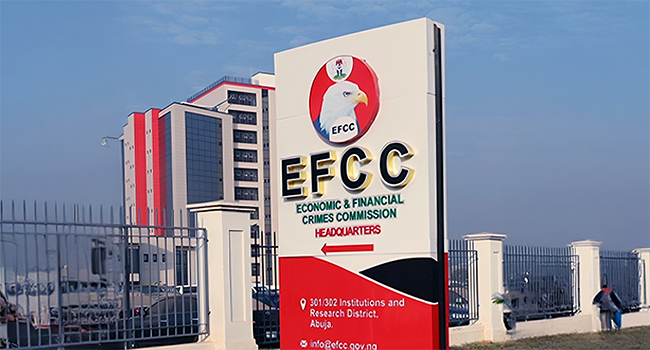
The Economic and Financial Crimes Commission has explained why some prominent individuals accused of corruption have not yet been taken to court, saying investigations involving influential figures require extensive time and careful evidence gathering.
The Chairman of the EFCC, Ola Olukoyede, said prosecutions connected to high-profile public figures demand thorough and detailed investigations, which often creates the impression of delay.
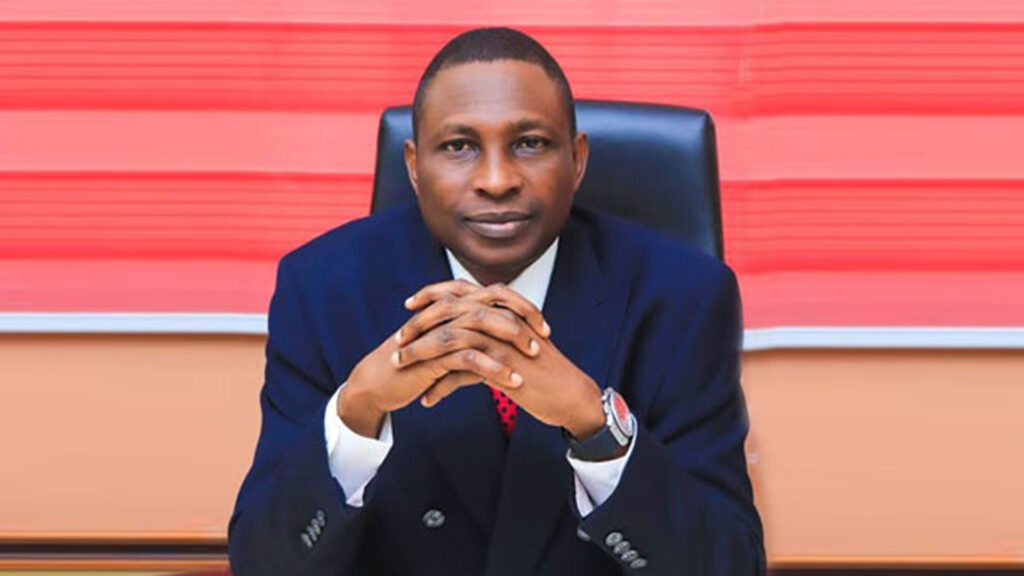
He made this clarification during an interview on Channels Television aired on Sunday Politics.
Olukoyede explained that the duration some cases spend under investigation before reaching the courts should not be interpreted as inactivity on the part of the anti-graft agency. He stressed that different categories of crimes require different investigative approaches.
“In 48 hours, I can investigate and arraign a cybercriminal. It is just a matter of getting the devices and all that, and I am done,” he said.
He noted, however, that matters involving politically exposed persons and large-scale public corruption are far more complex. “But when it comes to politically exposed persons or public corruption or high-profile corruption, it takes time, and I can’t go to court when I am not ready.”

The EFCC chairman’s remarks come amid persistent criticism from opposition figures and some sections of the public, who have accused the commission of selective enforcement and bias in its anti-corruption campaign. According to the critics, the agency appears slow or reluctant to act against powerful politicians suspected of wrongdoing.
Responding to these allegations, Olukoyede said several legal and procedural hurdles often slow down such investigations, particularly when assets or funds are traced beyond Nigeria’s borders. He explained that cases involving foreign jurisdictions require cooperation, documentation, and compliance with international legal processes, all of which take considerable time.
During the interview, Olukoyede also rejected claims that the EFCC was deliberately targeting members of the opposition while shielding others. He described such allegations as false and inconsistent with the agency’s mandate.
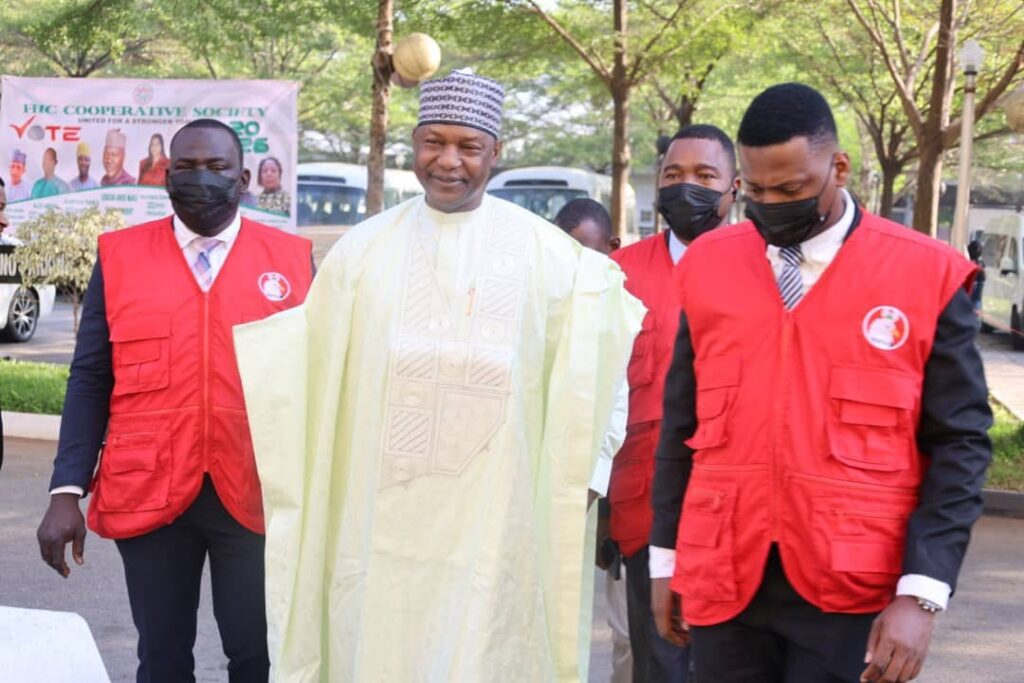
To support his position, he referenced the case involving a former Minister of Justice and Attorney-General of the Federation, Abubakar Malami, who had alleged that the commission was pursuing him because of his political affiliation.
“Let me tell you about that particular former attorney-general that you are talking about—there is nothing personal in this matter,” the EFCC chairman stated.
He added that the fight against corruption must rise above partisan considerations if Nigeria is to make meaningful progress. “If Nigeria is to move forward, all of us must agree that this fight must be fought without being partisan, and that’s what I want Nigerians to understand and to agree with us.”
What you should know
The EFCC is Nigeria’s primary agency responsible for investigating and prosecuting financial crimes, including corruption and money laundering.
High-profile corruption cases often involve complex financial trails, multiple actors, and international asset recovery, which can significantly slow investigations. Ola Olukoyede, the current EFCC chairman, has consistently argued that delays in prosecution are tied to the need for solid, court-ready evidence rather than political considerations.
The debate over selective justice continues to shape public perception of Nigeria’s anti-corruption efforts.