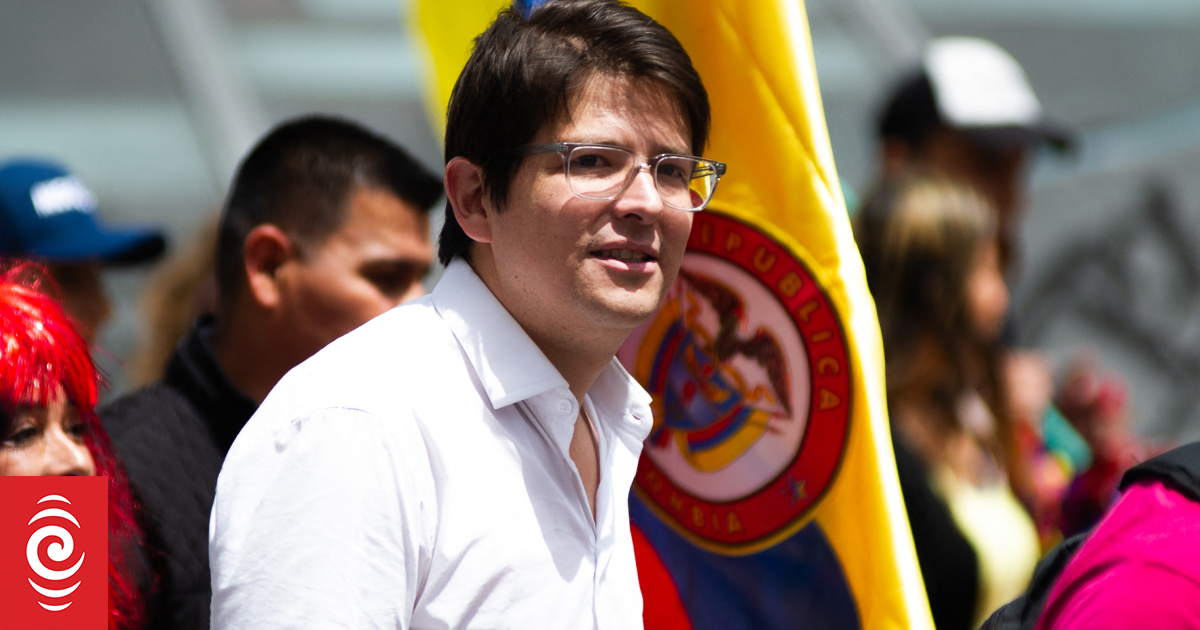
A man who admitted to driving the teenage assassin of Colombian presidential hopeful Miguel Uribe has been sentenced to 21 years in prison, according to the prosecutor’s office.
Uribe, 39, succumbed to his injuries on August 11 after being shot twice in the head during a June 7 campaign event in Bogota. The 15-year-old gunman responsible for the attack has already been sentenced to seven years in juvenile detention.

Five adults were arrested and charged with aggravated homicide in connection with the killing. Among them, Carlos Eduardo Mora Gonzalez confessed to transporting the underage shooter and was subsequently convicted.
According to prosecutors, Mora Gonzalez “drove and provided a vehicle to scout the location where the crime was committed and transported other individuals involved in the attack.” His role was allegedly motivated by a payment offer of five million pesos (about $1,280).
The individual who masterminded the assassination has not yet been identified, though police suspect involvement from a leftist guerrilla group.
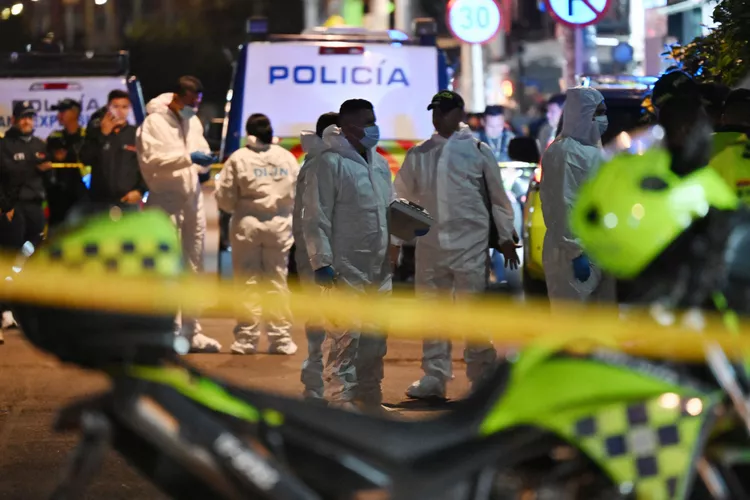
Uribe’s murder has revived painful memories of Colombia’s violent past, echoing the dark era of the 1980s and 1990s when five presidential candidates were assassinated amid a wave of political terror led by drug cartels and armed groups.
What you should know
Miguel Uribe’s assassination has reignited concerns about political violence in Colombia, a country still healing from decades of unrest fueled by cartels and armed insurgents.
While his teenage killer and an accomplice have been sentenced, authorities are still searching for the mastermind behind the attack. Uribe, once seen as a symbol of political renewal, became another tragic victim in Colombia’s history of targeted assassinations against reformist politicians.
His death underscores the ongoing risks faced by public figures challenging entrenched criminal and political interests in the country’s volatile political landscape.