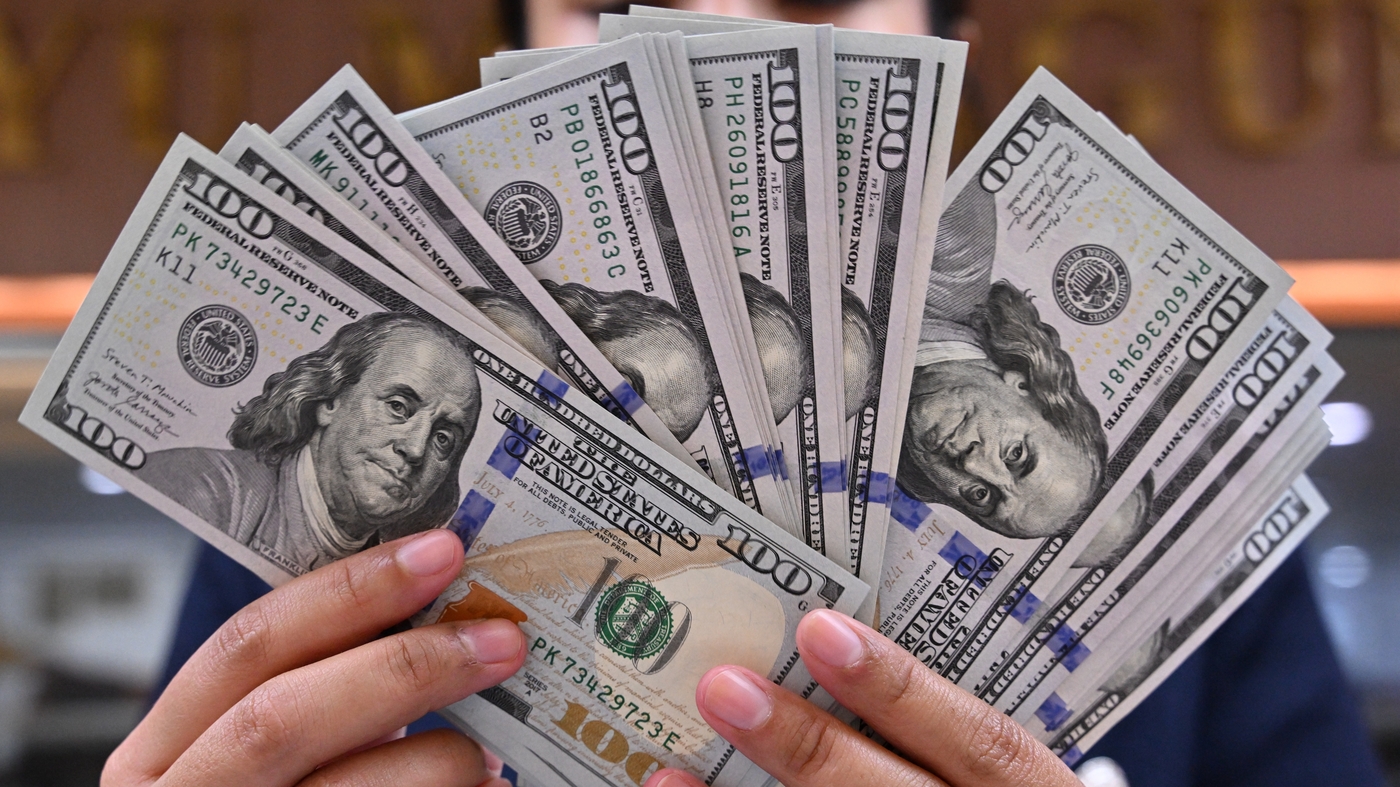
The U.S. dollar extended its recent decline on Thursday as investors ramped up bets on Federal Reserve interest rate cuts next month, with traders interpreting comments from New York Fed President John Williams as a green light for monetary easing despite ongoing economic uncertainty.
The greenback’s weakness came as financial markets grappled with an unprecedented level of political interference in Federal Reserve operations, with President Donald Trump escalating his campaign to reshape the central bank’s leadership while attempting to remove sitting Governor Lisa Cook from her position.
In a Wednesday interview with CNBC, Williams provided the clearest signal yet that policymakers are prepared to ease monetary conditions, stating that rate cuts were “likely” at some point while emphasizing that upcoming economic data would determine whether the Fed’s September 16-17 meeting would mark the beginning of an easing cycle.
“The market is clearly taking Williams at his word,” said Chris Turner, global head of markets at ING. “Short-dated U.S. yields remain near their recent lows, and most would conclude that this week’s attempted removal of the Fed’s Lisa Cook by President Trump is dollar-negative.”
The political drama surrounding Cook, who has filed a lawsuit to retain her position, has added another layer of uncertainty to an already complex monetary policy landscape. Trump’s push to install more dovish-leaning candidates on the Federal Open Market Committee has contributed to the downward pressure on short-term Treasury yields, as investors price in a higher probability of aggressive rate cuts.
Currency markets reflected these shifting expectations, with the dollar index falling 0.17% to 97.952, marking its third consecutive day of declines. The euro strengthened 0.23% to $1.1665, while the dollar slipped 0.3% against the Japanese yen to 146.88.
Traders are now assigning an 84% probability to a quarter-point rate cut at next month’s Fed meeting, according to LSEG data, with expectations for a cumulative 55 basis points of easing by year-end. These aggressive bets come despite mixed economic signals that have left Fed officials calling for a data-dependent approach.
Two critical economic releases loom before the September meeting that could determine the central bank’s next move. Friday’s PCE price index reading—the Fed’s preferred inflation gauge—will provide fresh insight into whether price pressures continue to moderate. The following week’s monthly payroll report will offer crucial evidence about labor market strength, a key factor in Fed deliberations.
The dollar’s weakness proved broad-based, with the currency falling to its lowest level against China’s offshore yuan since November, declining 0.3% to 7.1275 yuan in offshore trading. This decline comes as trade tensions between Washington and Beijing remain elevated, adding another dimension to the complex web of factors influencing currency markets.
International complications emerged Thursday when Japan’s chief trade negotiator, Ryosei Akazawa, abruptly canceled a Washington trip, delaying the announcement of details surrounding Japan’s $550 billion U.S. investment pledge—part of a broader tariff agreement. A government spokesperson cited the need for additional “administrative level” discussions, suggesting potential snags in the high-stakes trade negotiations.
Perhaps most remarkably, the dollar’s decline persisted even as political uncertainty gripped France, where Prime Minister Michel Barnier called an unexpected confidence vote for next month that appears likely to topple his minority government. Traditionally, such European political instability would have supported dollar strength as investors sought safe-haven assets.
The sustained pressure on the greenback reflects a fundamental shift in market dynamics, where domestic political interference in Fed operations and expectations of looser monetary policy are outweighing traditional safe-haven flows. This represents a significant departure from historical patterns and underscores the extent to which Trump’s unconventional approach to central bank relations is reshaping currency markets.
As traders await Friday’s inflation data and next week’s employment figures, the dollar’s trajectory will likely hinge on whether economic indicators support the Fed’s cautious approach or validate market expectations for aggressive monetary easing. With political pressure mounting and economic data mixed, the central bank finds itself navigating one of the most challenging policy environments in recent memory.
WHAT YOU SHOULD KNOW
The U.S. dollar is weakening as markets bet heavily on Federal Reserve rate cuts next month, driven by two main factors: Fed officials signaling possible easing and President Trump’s unprecedented interference in central bank operations, including his attempt to remove Fed Governor Lisa Cook.
Traders now see an 84% chance of a September rate cut, with upcoming inflation data on Friday and jobs numbers next week likely to determine whether the Fed actually follows through. The dollar’s decline against all major currencies—including reaching November lows against China’s yuan—signals that political pressure on the Fed is outweighing traditional safe-haven demand for the dollar.