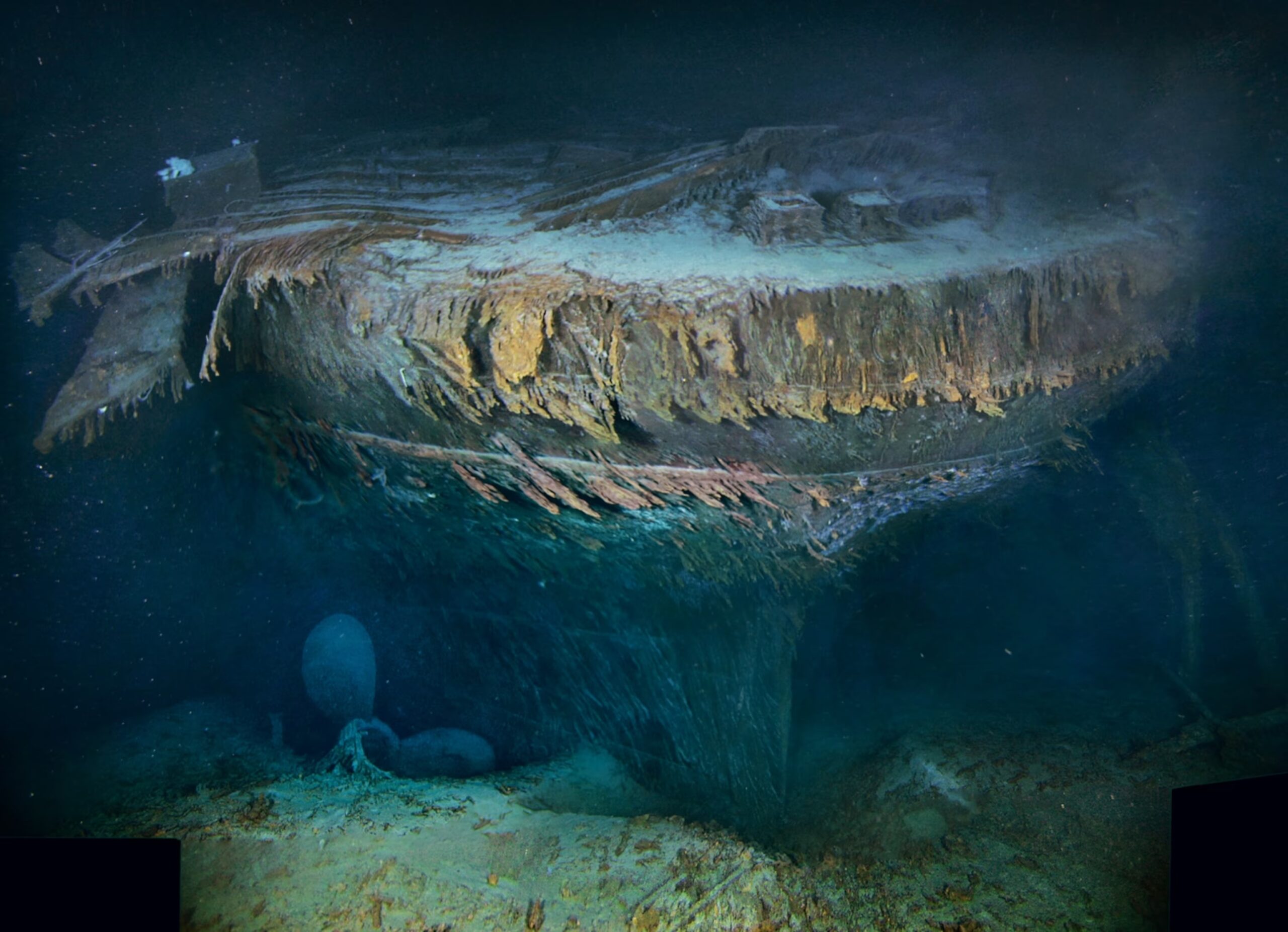
Deep-sea divers have successfully recovered a first set of artifacts from the wreck of the HMHS Britannic, the Titanic’s sister ship that sank off the coast of Greece in 1916, the Greek culture ministry announced on Monday.
The May expedition marked the first-ever retrieval of objects from the Britannic, resting at depths of more than 120 metres (394 feet). The Britannic was one of three luxury transatlantic liners built at the Harland and Wolff shipyard in Belfast, alongside the RMS Titanic and the RMS Olympic.
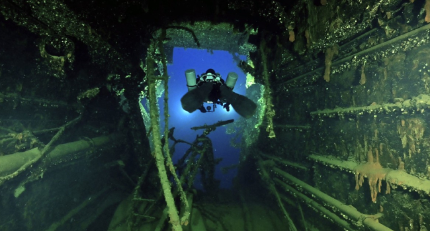
Converted into a hospital ship during World War I, the Britannic struck a German mine in November 1916 near the Greek island of Kea and sank in less than an hour. Of the 1,065 people on board, 30 lost their lives after lifeboats were caught in the ship’s propellers.
The recovery project was carried out by an 11-member diving team using closed-circuit equipment. It was organised by British historian Simon Mills, founder of the Britannic Foundation, and supervised by Greece’s Ephorate of Underwater Antiquities.
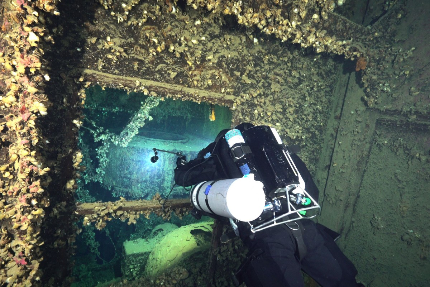
“Conditions at the wreck site were particularly challenging due to currents, depth, and low visibility,” the ministry noted, explaining that not all targeted objects could be retrieved due to their fragile condition or location.
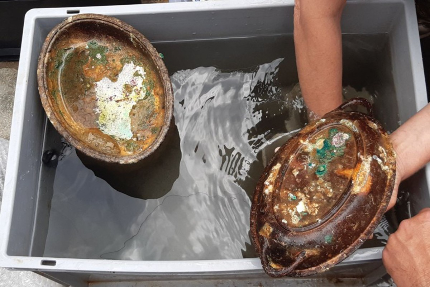
Artifacts recovered include the ship’s observation post bell, a portside signal lamp, binoculars, portable items from first and second class, and ceramic tiles from the ship’s Turkish bath. These items have been transported to Athens for conservation and will be featured in a permanent exhibition at Greece’s new Museum of Underwater Antiquities in Piraeus.
The Britannic’s sister ship, the RMS Olympic, remained in service until 1935, undergoing significant safety upgrades after the Titanic’s tragic sinking in 1912.
What You Should Know
The Britannic, launched in 1914 as a luxury liner, was converted into a hospital ship during World War I.
It sank in 1916 after hitting a German mine, making it the largest ship lost in the war. Today, its artifacts are being recovered for preservation and public exhibition.