Biography and Early Life
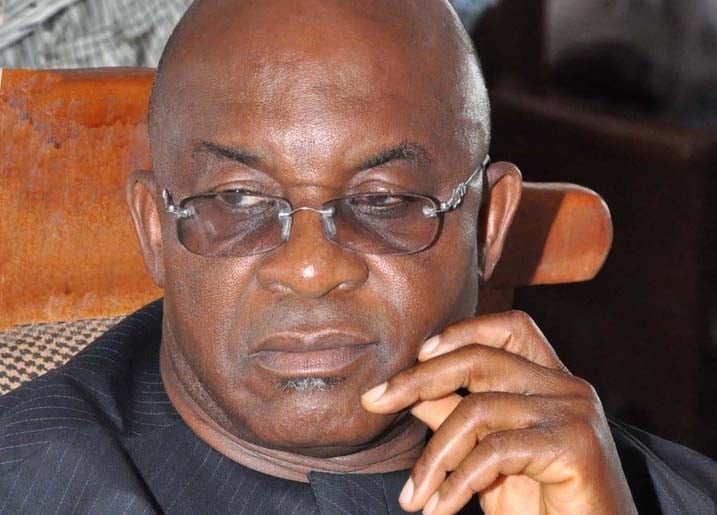
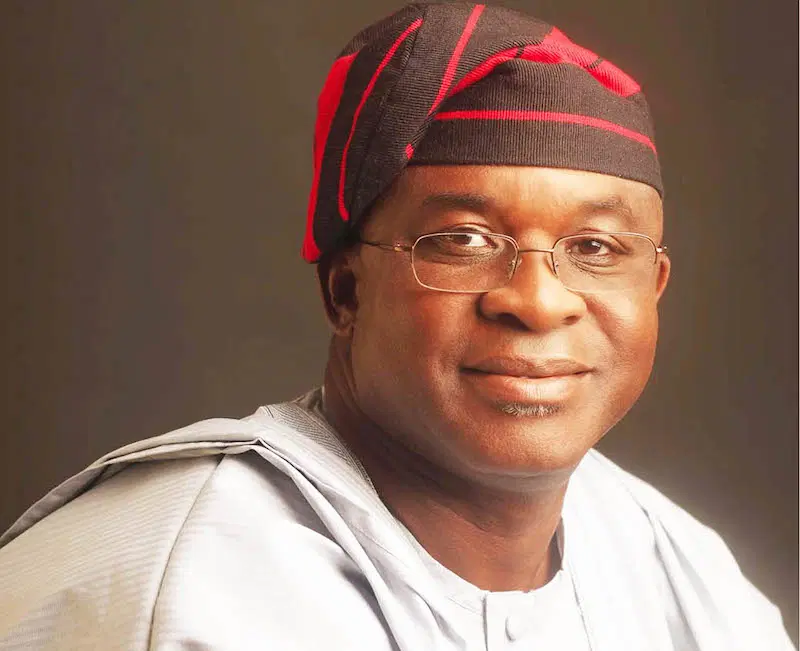
David Alechenu Bonaventure Mark, GCON, was born on April 8, 1948, in Otukpo, then part of the Northern Region of British Nigeria, now in Benue State. David Mark hails from the Idoma ethnic group, one of the major ethnic groups in Benue State’s southern senatorial district. Growing up in Otukpo during Nigeria’s late colonial period and early independence, Mark witnessed the country’s transformation from British rule through independence to the tumultuous post-independence military era.
His upbringing in Otukpo, a town that would later become central to his political base and development initiatives, shaped his understanding of the challenges facing Nigeria’s Middle Belt region. In this diverse area, Nigeria’s predominantly Muslim North meets its predominantly Christian South.
Educational Background
Mark’s educational journey began at St. Francis Catholic Practicing School in Otukpo from 1956 to 1961, where he received his primary education. This Catholic schooling instilled values that would remain with him throughout his life; he is a devout Catholic to this day.
Nigerian Military School, Zaria (1962-1966): Mark proceeded to the prestigious Nigerian Military School in Zaria, Kaduna State, one of Nigeria’s elite military secondary schools that has produced numerous military and political leaders. His admission to NMS set the trajectory for his military career and demonstrated early promise.
Nigerian Defence Academy (NDA), Kaduna: After completing secondary education, Mark attended the Nigerian Defence Academy as part of Regular Course 3. He graduated from NDA and was commissioned as a Second Lieutenant in 1970, officially beginning his military career during Nigeria’s immediate post-civil war period.
His military training provided disciplined leadership skills, strategic thinking, and understanding of Nigeria’s security and governance challenges, attributes that would serve him throughout both military and civilian political careers.
Military Career (1970-1993)
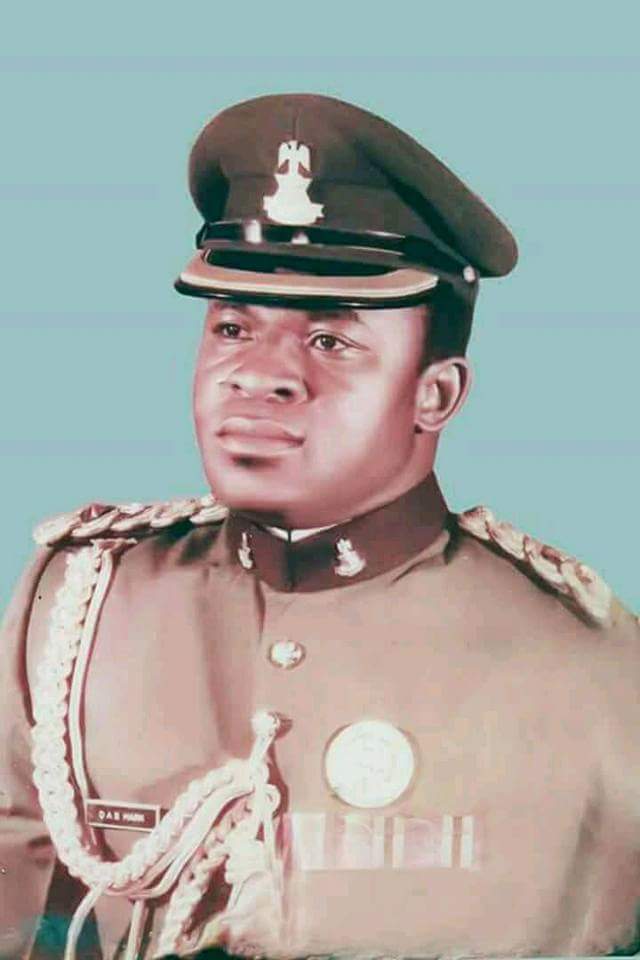
Mark’s 23-year military career saw him rise through the ranks and hold various strategic positions:
Early Military Postings
- Sports Officer, Signal Brigade, Lagos: Early posting managing sports and welfare activities
- Brigade Major, Signal Brigade, Lagos: Senior staff position in signals operations
- Commander, 3rd Marine Signals Division, Port Harcourt: Commanding signals operations in oil-rich Niger Delta
- Staff Officer, Operations Headquarters & Signals, Lagos: Strategic operations role
- Commander 1 Division Headquarters & Signals, Kaduna: Major command responsibility
Senior Leadership Positions
- Commandant, School of Signals, Lagos: Led military signals training institution
- Director of Telecommunications, Army Headquarters, Lagos: Oversaw all Army telecommunications
- Directing Staff Officer, Command and Staff College, Jaji: Training senior military officers
- General Staff Officer, Grade I, Coordinate, Command & Staff College, Jaji: Senior strategic position
- Faculty Director, National War College: Strategic defense education leadership
- Chairman, Abandoned Properties Implementation Commission: Post-civil war properties management
These diverse postings gave Marka a comprehensive understanding of military operations, strategic planning, telecommunications, and post-conflict administration.
Military Governor of Niger State (1984-1986)
During President Muhammadu Buhari’s military regime (1984-1986), Colonel David Mark was appointed Military Governor of Niger State. His governorship emphasized:
- Education Development: Prioritized educational infrastructure and access
- Infrastructure Projects: Road construction and public facilities development
- Public Order: Maintained security and administrative efficiency
- Pragmatic Governance: Known for practical, results-oriented administration
This role provided crucial executive experience that would later inform his political career, demonstrating his administrative capabilities beyond purely military functions.
Minister of Communications (1987-1990)
Under General Ibrahim Babangida’s military regime, Mark was appointed Minister of Communications from 1987 to 1990, overseeing two major parastatals:
- Nigerian Telecommunications Limited (NITEL)
- Nigerian Postal Service (NIPOST)
Reform Initiatives: Mark led efforts to modernize Nigeria’s telecommunications sector, introducing digital technology and reforms in communication infrastructure during a period of technological transformation.
Blunt Communication Style: As a minister, Mark became known for his direct, sometimes harsh communication. During a 1989 walking tour of facilities in Akure, when union workers complained about the lack of promotions since 1978, Mark bluntly responded that unproductive workers might need to be retired rather than promoted, a statement characteristic of his no-nonsense approach.
Controversial Positions: He advocated strong measures against telecommunications infrastructure vandalism, even suggesting the death penalty for telecom cable thieves. He also supported dismantling under-utilized telecom facilities, arguing that political considerations shouldn’t dictate allocations to towns with limited phone network usage.
Retirement and Exile (1993-1998)
In 1993, General Sani Abacha’s regime retired Mark from the Nigerian Army as Brigadier General. Following his forced retirement, Mark went into self-imposed exile, first in Ghana and then in England, citing concerns about the Abacha dictatorship’s brutality.
He remained in exile for five years until Abacha’s sudden death in June 1998. His exile period, while removing him from Nigerian public life, paradoxically enhanced his political credentials, returning from exile against dictatorship positioned him as a democracy advocate when Nigeria transitioned to civilian rule.
Return and Entry into Civilian Politics (1998-1999)
Triumphant Homecoming
On September 5, 1998, following Abacha’s death and Nigeria’s impending democratic transition, Mark returned from exile to a hero’s welcome in Otukpo. The Idoma people received him with immense enthusiasm, viewing his exile as confirmation of democratic principles and expecting him to lead their political aspirations in the new democratic dispensation.
The frenzied reception demonstrated Mark’s political potential; he had become not just a returning exile but a symbol of hope for the Idoma people, who had long felt marginalized in Nigeria’s political structure.
Joining the PDP and the First Senate Election (1999)
Mark joined the newly formed People’s Democratic Party (PDP) and contested for the Benue South Senatorial seat in the 1999 elections that ushered in Nigeria’s Fourth Republic. He won convincingly, beginning what would become a remarkable 20-year Senate career representing Benue South from 1999 to 2019.
Senator and Senate President (1999-2019)
Ranking Senator (1999-2007)
For his first eight years in the Senate, Mark served as a ranking senator, building experience, relationships, and understanding of legislative processes. His military discipline, strategic thinking, and coalition-building skills made him influential even before becoming Senate President.
He was re-elected in 2003, securing his second term and consolidating his political base in Benue South.
Election as Senate President (June 5, 2007)
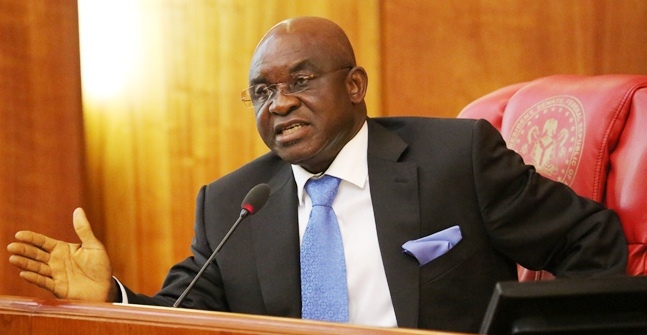
On June 5, 2007, in a keenly contested election on the Senate floor, David Mark defeated former Governor of Benue State, George Akume, to become the 12th President of the Nigerian Senate. Mark polled 69 votes against Akume’s 39 votes, with one senator absent, a decisive victory that demonstrated his political acumen and coalition-building capabilities.
His election as Senate President made him Nigeria’s third-highest-ranking official after the President and Vice President, and the first Idoma person to hold such an exalted national office.
Historic Eight-Year Tenure (2007-2015)
Mark’s tenure as Senate President from 2007 to 2015 was historic for several reasons:
Longest-Serving Senate President: He became Nigeria’s longest-serving Senate President, serving two complete four-year terms (2007-2011 and 2011-2015) without being removed, resigning, or facing impeachment, a remarkable achievement given the instability that plagued previous Senate leaderships.
Breaking the Jinx: Mark was the first Senate President in Nigerian history to complete full terms without removal or resignation. His predecessors had all been impeached, forced to resign, or encountered political crises that ended their tenures prematurely. His ability to navigate Nigeria’s complex political terrain while maintaining his position demonstrated exceptional political skills.
Institutional Stability: Under Mark’s leadership, the Senate achieved unprecedented stability, allowing for more consistent legislative work and institutional development.
The “Doctrine of Necessity” (February 9, 2010)
Mark’s most historically significant moment came during Nigeria’s 2010 constitutional crisis:
The Crisis
President Umaru Musa Yar’Adua had been seriously ill and receiving treatment in Saudi Arabia since November 2009, leaving Nigeria without executive leadership for months. Vice President Goodluck Jonathan could not assume presidential powers because Yar’Adua had not formally transmitted power before leaving. Nigeria faced a constitutional impasse threatening governmental paralysis and potential crisis.
Mark’s Leadership
On February 9, 2010, the National Assembly, under Mark’s leadership, invoked the “Doctrine of Necessity”, a legal principle allowing extraordinary measures during exceptional circumstances to maintain constitutional order. This resolution authorized Vice President Goodluck Jonathan to act as President in Yar’Adua’s absence.
Significance
The Doctrine of Necessity resolution:
- Prevented a potential constitutional crisis and governmental collapse
- Demonstrated Mark’s statesmanship and prioritization of national interest over political considerations
- Established legal precedent for handling executive incapacity
- Earned Mark respect across Nigeria’s political spectrum for wisdom and courage
- Showed the Senate’s willingness to act decisively during a national emergency
- Eventually legitimized Jonathan’s ascension to full presidency when Yar’Adua died in May 2010
This singular act secured Mark’s place in Nigerian history as a leader who stabilized the nation during turbulent times.
Legislative Achievements
Major Legislation
Freedom of Information Act: Mark’s Senate passed this landmark transparency legislation, giving Nigerians the legal right to access government information, a major democratic achievement despite government resistance.
Constitutional Amendments: Mark oversaw the Sixth National Assembly’s passage of the First Alteration to the 1999 Constitution on July 16, 2010, assented to by President Goodluck Jonathan on January 11, 2011, marking the first successful amendment since 1999. Key provisions introduced timelines for election petitions, reducing delays from years to months.
Federal University of Health Sciences, Otukpo: Mark sponsored legislation establishing this specialized medical university in his constituency, addressing gaps in regional medical education. President Buhari eventually approved the bill, establishing FUHSO as the first specialized federal health sciences university in Nigeria.
Governance Reform Bills: His Senate passed numerous bills strengthening governance, accountability, and institutional frameworks.
Financial Accountability
In 2008, Mark’s administration returned ₦28 billion of unspent public funds to the national treasury, the first time in Nigerian Senate history that such massive unspent allocations were returned rather than absorbed. This demonstrated his commitment to financial discipline and accountability.
Leadership Style
Mark’s Senate leadership was characterized by:
- Consensus Building: Ability to build consensus among diverse political interests
- Firm Control: Maintained order and discipline in Senate proceedings
- Strategic Patience: Avoided unnecessary confrontations while advancing the legislative agenda
- Institutional Protection: Protected the Senate’s independence and integrity
- Political Acumen: Navigated complex political terrain while maintaining position
Continuing Senate Career (2015-2019)
After stepping down as Senate President in 2015 (following APC’s victory and PDP’s loss of Senate majority), Mark continued as Senator for Benue South, serving until 2019. His four additional years as ranking senator brought his total Senate service to 20 years, making him one of Nigeria’s longest-serving senators.
Constituency Development
Beyond national leadership, Mark invested heavily in his Benue South constituency:
David Mark Scholarship Foundation (DMSF) (Established 2005): Through this foundation, Mark awarded scholarships to over 30,000 indigent students from primary through tertiary levels, a massive philanthropic investment in education.
National Open University of Nigeria (NOUN) Campus, Otukpo: Mark influenced the establishment of NOUN campus in Otukpo, bringing tertiary education access to the area.
Federal University of Medical Sciences, Otukpo (FUHSO): His landmark achievement, transforming Otukpo into a medical education center.
Joy FM 96.5: Established this radio station in Otukpo, creating employment and providing information services. It became one of Nigeria’s most listened-to regional stations.
Sports Development:
- Founded the Apa United Football Club to compete in state and national leagues
- Established Mark Mentors Basketball Club (currently rated second in the National Basketball League)
- Annual Mark D’Ball basketball competition supporting young athletes
- Built a golf course and sports facilities in Otukpo
Infrastructure: Motorized boreholes at various locations in Otukpo provide water access, employment opportunities in government agencies, and numerous community development projects.
These initiatives transformed Otukpo from a relatively obscure town into a developing center with educational, sports, and media infrastructure, demonstrating Mark’s commitment to constituency development.
Post-Senate Activities (2019-Present)
Retirement from the Senate
After 20 years in the Senate (1999-2019), Mark chose not to seek re-election in 2019, retiring from the upper legislative chamber at age 71. His retirement ended an era of Idoma political dominance in Benue politics and left questions about succession and continued development.
Continuing Political Influence
Despite retiring from the Senate, Mark remained politically active:
PDP Elder Statesman: Continued as an influential PDP figure and party elder, consulted on major political decisions.
Presidential Aspiration (2018): In September 2018, Mark briefly declared interest in running for president in 2019, appointing Zainab Abdulkadir Kure as campaign manager and Abba Ejembi as spokesperson. However, he eventually withdrew from the race.
Defection to ADC (2025): In a dramatic move in 2025, Mark resigned from the PDP and became the interim National Chairman of the African Democratic Congress (ADC), marking a significant political realignment for the elder statesman and raising questions about his continued political ambitions and the ADC’s future direction.
Business Interests
Mark has investments across multiple sectors:
- Real Estate: Extensive property holdings
- Agriculture: Farming and agribusiness investments
- Oil and Gas: Investments in the petroleum sector
- Media: Joy FM ownership and operation
- Other Ventures: Various business interests built over decades
Personal Life
David Mark is married in a polygamous union with multiple wives, including Kate, Omale, Helen, and Randa. He was previously married to Priye, whom he divorced in 2000. He has multiple children from these marriages, including media personality Blessing Onuh.
Tragedy: Mark endured profound personal loss when his first son, Dr. Tunde Mark, passed away from cancer in London in 2022, a tragedy that deeply affected the senator and his family.
Faith: A devout Catholic, Mark’s faith has been central to his life. Interestingly, one of his sons once remarked that their father might have become a Catholic priest had he not pursued military and political careers, testimony to Mark’s deep religious commitment.
Lifestyle: Mark maintains an affluent lifestyle consistent with his decades in public service and business. His country home in Otukpo features a helipad for helicopter access, reflecting his status and resources.
Sports Enthusiast: An avid sportsman, Mark regularly plays golf, tennis, and squash, maintaining physical fitness well into his seventies.
Wealth and Controversies
Net Worth Estimates
Net worth estimates for Mark vary significantly across reports, ranging from approximately $80 million (₦120 billion) to as high as $2 billion, positioning him among Nigeria’s wealthiest former politicians. More conservative estimates suggest $20-200 million.
These estimates far exceed plausible accumulation from official salaries and allowances, raising questions about sources of wealth. Official earnings as senator and Senate President, including substantial allowances, would yield cumulative eligible earnings in the hundreds of millions of naira over two decades, excluding military pensions, but not billions.
Corruption Questions
The massive gap between official earnings and estimated wealth has generated questions about corruption and undisclosed income sources. References to offshore entities linked to Mark suggest possible undisclosed assets, though he has not faced successful prosecution for corruption.
Mark has consistently maintained innocence regarding corruption allegations, arguing his wealth comes from legitimate business investments and decades of public service benefits.
Legacy and Assessment
David Mark’s legacy is multifaceted and contested:
Achievements and Positive Legacy
Historic Senate Leadership: Longest-serving Senate President who brought unprecedented stability to Nigeria’s upper legislative chamber.
Doctrine of Necessity: His leadership during the 2010 constitutional crisis prevented a potential national catastrophe and demonstrated statesmanship.
Legislative Accomplishments: Freedom of Information Act, constitutional amendments, and numerous bills strengthening governance.
Constituency Development: Transformed Otukpo through educational institutions, infrastructure, scholarships, and sports development.
Breaking Barriers: First Idoma person to hold Nigeria’s third-highest office, opening doors for minority ethnic groups.
Institutional Stability: Proved that the Senate could operate stably and effectively with proper leadership.
20-Year Service: Two decades representing Benue South, remarkable political longevity.
Criticisms and Controversies
Wealth Questions: The massive unexplained wealth gap between official earnings and estimated net worth raises serious accountability questions.
PDP Dominance: Critics argue his leadership prioritized PDP interests over national interests, though supporters counter that he acted independently when necessary (Doctrine of Necessity).
Limited Transformative Legislation: While maintaining stability, critics question whether his Senate achieved sufficient transformative legislation.
Godfather Politics: Became a political godfather in Benue, perpetuating the patron-client politics that undermine democratic development.
Post-Retirement Silence: Since retiring, Mark has been relatively quiet on national issues, leading some to question his continued commitment to national development.
Balanced Perspective
David Mark represents a particular type of Nigerian leader, the military officer turned civilian politician who brought discipline, strategic thinking, and political acumen to democratic governance. His military background provided leadership skills and understanding of power dynamics that served him exceptionally well in civilian politics.
His eight years as Senate President without removal or crisis were unprecedented and demonstrated exceptional political skills in navigating Nigeria’s complex terrain. The Doctrine of Necessity alone secures his place in Nigerian history as a leader who prioritized national stability over partisan considerations.
However, the wealth questions remain troubling. The gap between official earnings and estimated wealth, whether $80 million or $2 billion, suggests income sources beyond legitimate public service compensation. His inability or unwillingness to fully account for this wealth raises questions about governance and accountability.
His constituency development work, particularly the Federal University of Health Sciences and the scholarship foundation, demonstratesa genuine commitment to uplifting his people, though critics argue this also reflects traditional patron-client politics rather than systemic development.
Senator David Alechenu Bonaventure Mark’s journey from Otukpo village boy to Nigerian Military School to Brigadier General to military governor to minister to exile to triumphant return to 20-year senator to longest-serving Senate President to wealthy businessman represents one of Nigeria’s most remarkable political careers. His February 9, 201,0 Doctrine of Necessity resolution preventing a constitutional crisis stands as his finest moment, demonstrating that even in Nigeria’s often chaotic politics, statesmanship and constitutional responsibility can prevail. His eight years bringing stability to a Senate that had known only instability proved that leadership and political skill matter in institutional development. Yet the massive unexplained wealth, the godfather politics, and the relative post-retirement silence complicate this legacy. Whether remembered primarily as the statesman who saved Nigeria from crisis, the longest-serving Senate President who brought stability, or the politician whose wealth raises accountability questions will depend on which aspect history emphasizes. What seems certain is that David Mark significantly influenced Nigerian political development, the Senate as an institution, Benue State politics, and particularly Idoma political consciousness, making him one of the Fourth Republic’s most consequential figures, for better and worse.