
The National Industrial Court sitting in Abuja has scheduled Tuesday, January 27, to deliver its ruling on an application seeking to restrain workers of the Federal Capital Territory Administration (FCTA) from continuing their ongoing strike action.
Justice Emmanuel Subilim fixed the date after hearing arguments from lawyers representing both sides in the dispute.
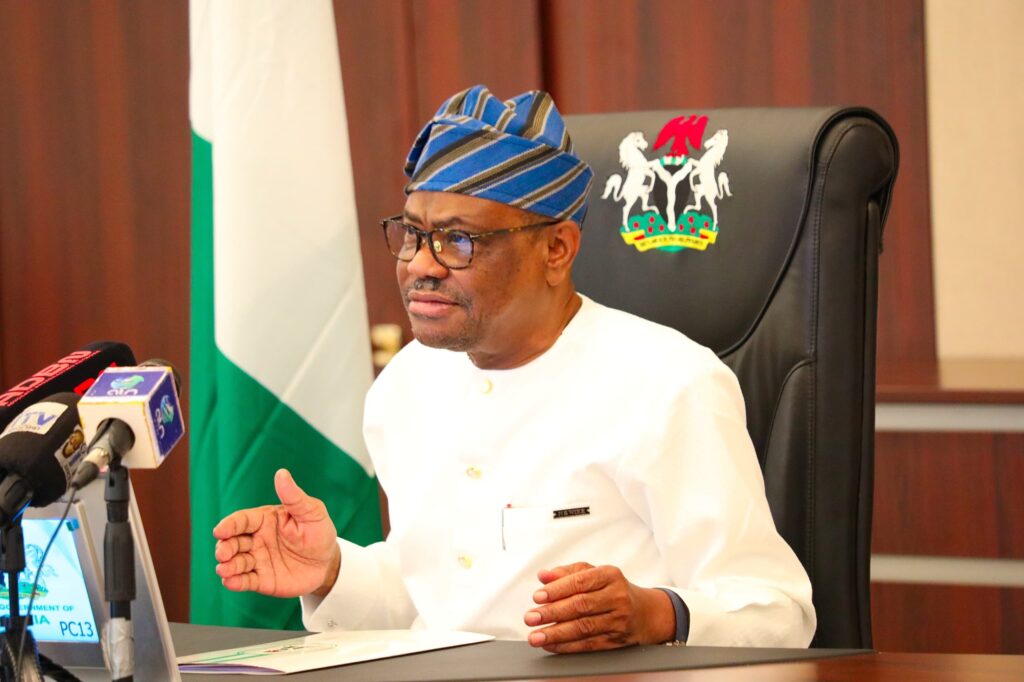
The case was instituted by the Minister of the Federal Capital Territory, Nyesom Wike, who is asking the court to compel the striking workers to immediately resume work.
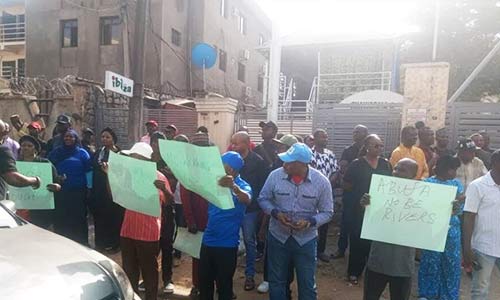
The industrial action was triggered by what the workers describe as unresolved welfare concerns, including five months of unpaid salaries, long-standing promotion arrears, and deteriorating working conditions.
In the suit, the FCT Minister and the FCTA are listed as claimants, while the President and Secretary of the Joint Union Action Congress (JUAC), Rifkatu Iortyer and Abdullahi Saleh, are named as defendants.
During proceedings, counsel to the defendants, Maxwell Okpara, asked the court to join the Nigeria Labour Congress (NLC) and the Trade Union Congress (TUC) as respondents, arguing that their inclusion would ensure any court order would be binding on the labour centres.
However, counsel to the FCT Minister, James Onoja, SAN, opposed the application, maintaining that the suit was properly filed against only the named defendants, whom he noted are not registered trade unions under the Trade Union Act.
Onoja urged the court to grant the application restraining the strike, contending that the ongoing industrial action has disrupted essential services across the Federal Capital Territory.

Ruling on the request for joinder, Justice Subilim held that since the claimants elected to sue only the two defendants, the court could not compel them to add other parties to the suit.
He subsequently adjourned the matter to January 27 for a ruling on the substantive application seeking to stop the strike.
What you should know
The FCTA strike has drawn attention to persistent labour disputes within Nigeria’s public service, particularly issues of unpaid salaries and promotion arrears.
While the FCT administration is seeking a court order to force workers back to duty, unions argue that unresolved welfare concerns justify the action.
The court’s ruling could shape how similar industrial disputes are handled, especially regarding the limits of judicial intervention in labour strikes.