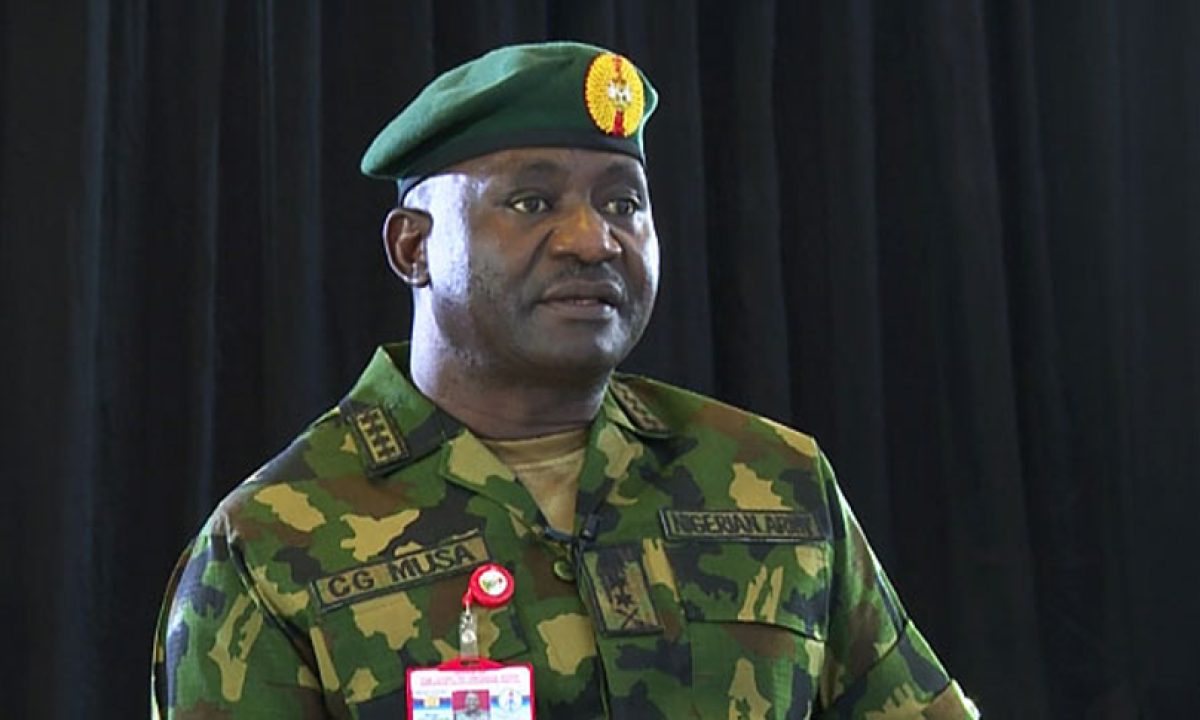
The Chief of Defence Staff (CDS), General Christopher Musa, has attributed the recent spike in killings across Nigeria to political manoeuvring ahead of the 2027 general elections.
In an interview on Channels Television’s Politics Today on Thursday, Musa suggested that the surge in violent attacks—especially by terrorists in the North-East and bandits in the North-West—was not coincidental. He argued that some political actors are deliberately fueling insecurity to undermine the government’s credibility.
“Criminals, both bandits and terrorists, work together. They have a common goal to make money and destabilise communities. But there is also a political angle. Some individuals don’t want peace because when there is peace, the government is seen to be doing well. When there is no peace, the government is seen to be failing,” he explained.
The Defence Chief questioned the rationale behind instigating violence that claims the lives of citizens, noting: “How do you kill the people you want to govern? What do you gain from it?”
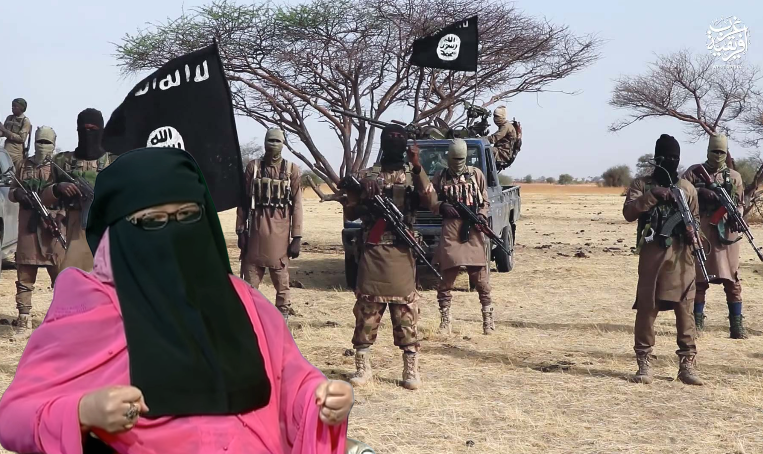
Terrorism Financing and Legal Hurdles
Musa revealed that terrorism in Nigeria continues to thrive due to both local and international funding. He said agencies including the Attorney-General of the Federation (AGF), the Nigerian Financial Intelligence Unit (NFIU), the Department of State Services (DSS), and the National Intelligence Agency (NIA) are actively tracing financial backers of terrorism. However, international legal complications have delayed the public naming of suspects.
“The process of naming terrorism financiers is on. Just last week, the AGF and others reviewed cases. The NFIU has done much; arrests have been made, and prosecutions have started. Those behind the Owo bombing are already facing trial,” he confirmed.
He lamented that Nigeria’s slow legal processes hinder effective prosecution of terrorism, calling for stiffer penalties, special courts, and a faster judicial system. “Once people know they can get away with anything, impunity sets in,” Musa warned.
Sahel Crisis and Nigeria’s Vulnerable Borders
The CDS also highlighted the dangers posed by instability in the Sahel, where open arms markets continue to thrive following Libya’s collapse. He noted that Nigeria’s porous 4,000km borders make it easier for militants to infiltrate.
“Since Libya fell, the Sahel has been open. You can buy any weapon in those markets. Niger, Mali, and Burkina Faso are also unstable. Everybody is interested in Nigeria because it is rich and large. Our problem is that Nigerians open their doors too easily. Boko Haram started like that—welcoming strangers who later became monsters,” Musa cautioned.
He disclosed that Nigeria is collaborating with Sahelian nations through the Alliance of Sahel States to curb cross-border terrorism but stressed that local communities must stop shielding criminals.
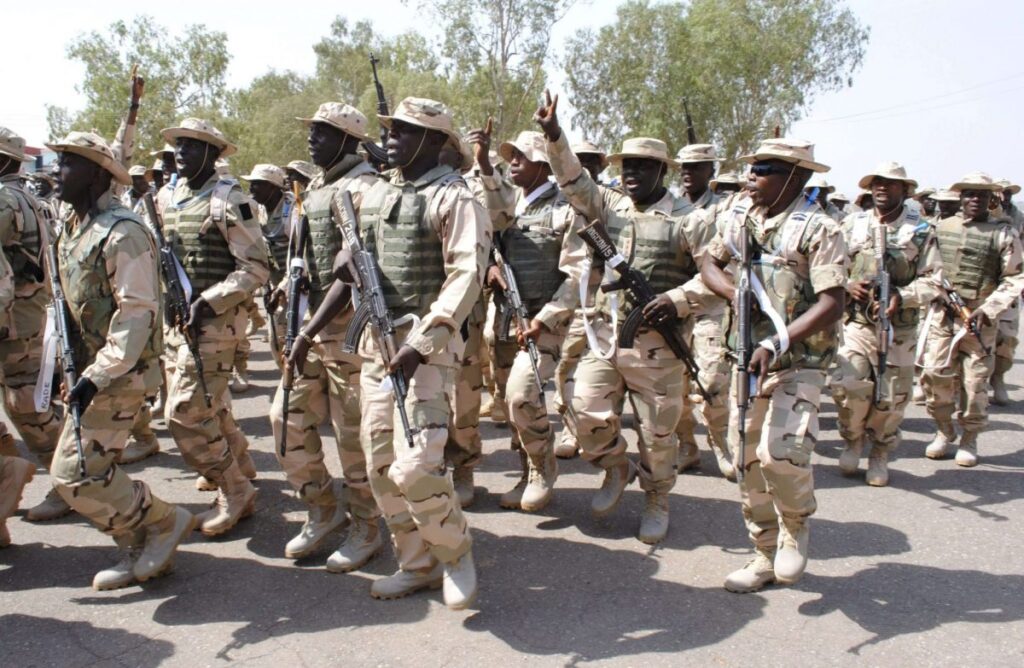
Costly Security Technology
On the issue of equipment, Musa lamented that modern counter-terrorism technology is extremely expensive, especially amid global shortages caused by the Russia-Ukraine war.
“A medium-range precision weapon costs $100,000 each. At that rate, how many can we buy? That’s why we must be strategic. Recently, with the right timing, we took out over 100 terrorists on 50 motorcycles in one strike,” he revealed.
He further stated that Nigeria lacks real-time satellite technology critical for precision strikes, but commended President Bola Tinubu for signing the Defence Industrial Bill, which will allow Nigeria to produce military equipment locally through partnerships with original equipment manufacturers.
What you should know
- Political angle to insecurity: The CDS believes some politicians are fuelling violence ahead of the 2027 elections to discredit government security efforts.
- Terrorism funding: Both local and international financiers are under investigation, though legal and diplomatic issues delay public disclosure.
- Judicial bottlenecks: Musa called for special courts and stiffer laws to fast-track terrorism prosecutions.
- Sahel threat: Instability in Libya, Niger, Mali, and Burkina Faso has opened arms markets that feed Nigerian insurgents.
- Technology gap: Costly security equipment and lack of real-time satellites hinder counter-terror operations, though local production is being pursued under the Defence Industrial Bill.