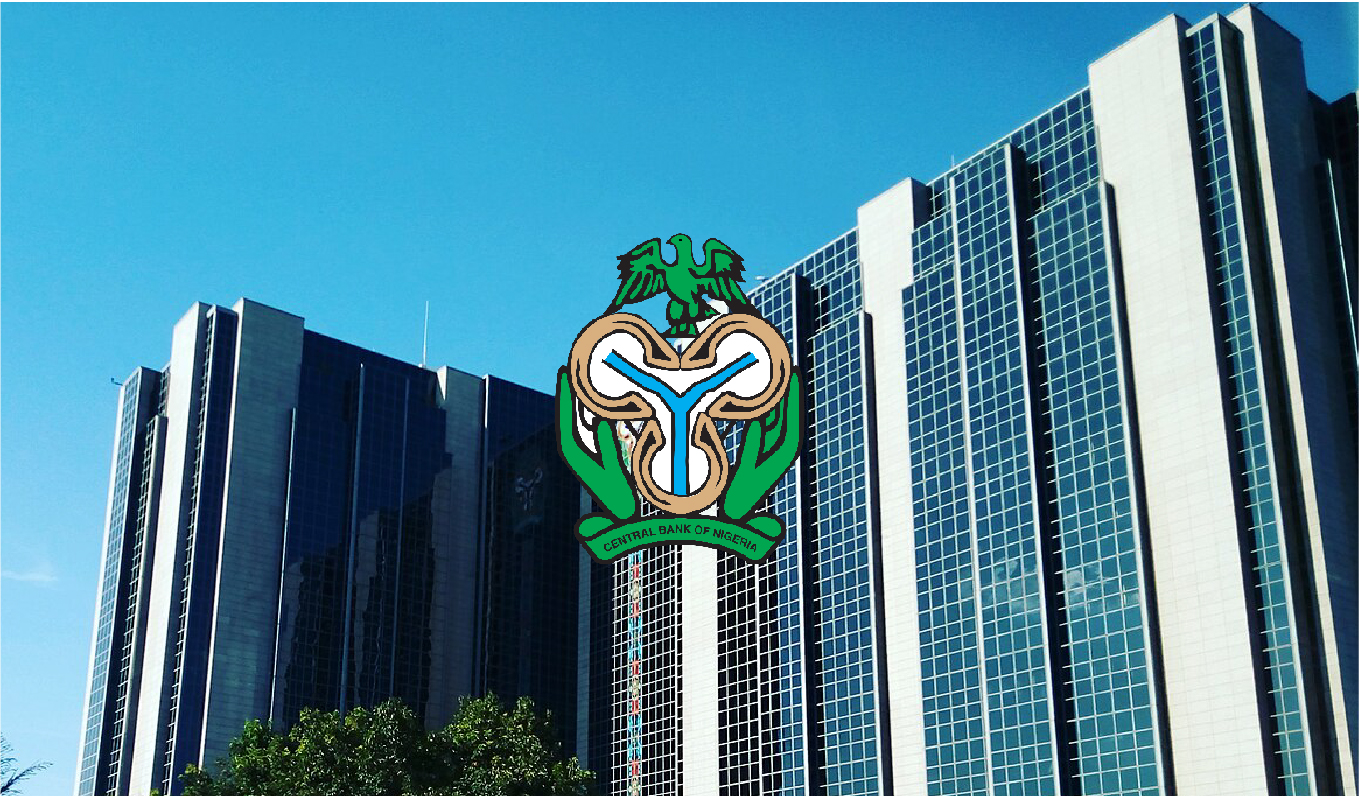
The Central Bank of Nigeria (CBN) has taken decisive action to address mounting pressures in the foreign exchange market, announcing that licensed Bureau De Change (BDC) operators will now be permitted to access foreign currency through the Nigerian Foreign Exchange Market for the first time in recent memory.
In a circular dated February 10, 2026, and signed by Dr. Musa Nakorji, Director of the Trade and Exchange Department, the apex bank authorized each licensed BDC to purchase up to $150,000 weekly from authorized dealer banks at prevailing market rates. The directive, addressed to authorized dealers and the general public, marks a significant policy shift as Nigeria grapples with persistent currency volatility.
The timing of the announcement is notable. The spread between Nigeria’s official exchange rate and the parallel market rate has ballooned to over N90—the widest differential in three years—underscoring the dysfunction in the country’s fragmented currency regime. This widening gap has fueled speculation, eroded confidence in official channels, and complicated monetary policy transmission.
“To ensure the availability of adequate foreign exchange liquidity in the retail segment of the foreign exchange market to meet the legitimate needs of end users, this is to inform market participants that all BDCs that are duly licensed by the CBN are allowed to access foreign exchange from the NFEM through any authorized dealer of their choice, at the prevailing exchange rate,” the central bank stated in the circular.
The policy is designed to channel dollar liquidity into the retail segment, where demand from individuals and small businesses has historically been underserved by formal banking channels. By bringing BDCs back into the fold, the CBN appears to be betting that increased supply through legitimate operators will help narrow the gap with black market rates and curb rent-seeking behavior.
However, the central bank’s approach reflects hard lessons from past experiments with BDCs. Access to foreign exchange comes with stringent conditions aimed at preventing abuse. Authorized dealer banks must conduct full Know Your Customer checks and due diligence on every BDC before selling them dollars, in accordance with existing anti-money laundering regulations and internal risk frameworks.
More significantly, the CBN has imposed tight operational constraints to prevent hoarding and speculation—practices that undermined previous BDC regimes. Licensed operators are barred from holding unutilized foreign exchange positions. Any purchased dollars that are not immediately deployed must be sold back to the market within 24 hours.
“Any unutilized balances are expected to be sold back to the market within 24 hours,” the circular warned. “BDCs are not permitted to keep funds purchased from NFEM in their positions.”
Settlement procedures have also been tightened. All BDC foreign exchange transactions must now be routed through settlement accounts maintained with licensed financial institutions. Third-party transactions are explicitly prohibited, while cash settlements have been capped at just 25 percent of each transaction value — a measure designed to enhance transparency and traceability.
The central bank further emphasized that all licensed BDCs must submit returns electronically, accurately, and on time, with existing BDC guidelines remaining fully in force.
The policy represents a delicate balancing act for the CBN under Governor Olayemi Cardoso’s leadership. On one hand, it seeks to boost liquidity and formalize dollar flows that would otherwise occur in unregulated parallel markets. On the other hand, it reflects recognition that BDCs—once banned from accessing official sources following allegations of market manipulation—can only be reintegrated under strict surveillance.
Market analysts say the success of the initiative will depend heavily on enforcement. Previous attempts to integrate BDCs into the formal market collapsed amid widespread violations, including round-tripping, over-invoicing, and unauthorized dollar stockpiling.
The N90-plus spread between official and parallel rates suggests deep-seated distortions that a $150,000 weekly cap may not immediately resolve. With Nigeria’s foreign reserves under pressure and dollar demand outstripping supply across multiple sectors, the structural imbalances driving currency volatility remain firmly in place.
Still, the move signals the CBN’s continued willingness to experiment with market-based solutions, even as it maintains tight regulatory guardrails. Whether this recalibrated relationship with BDCs will help stabilize the naira or simply redistribute existing pressures across different market segments remains to be seen.
WHAT YOU SHOULD KNOW
The Central Bank of Nigeria has granted licensed Bureau De Change operators access to the official foreign exchange market for the first time in years, with a $150,000 weekly purchase limit per operator.
This policy shift aims to inject liquidity into the retail FX market and narrow the dangerous N90+ gap between official and parallel market rates—the widest spread in three years.
Access comes with strict anti-hoarding measures: BDCs must sell back any unused dollars within 24 hours and face rigorous compliance checks. The success hinges entirely on enforcement, as previous BDC arrangements collapsed due to abuse and market manipulation.