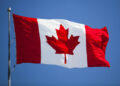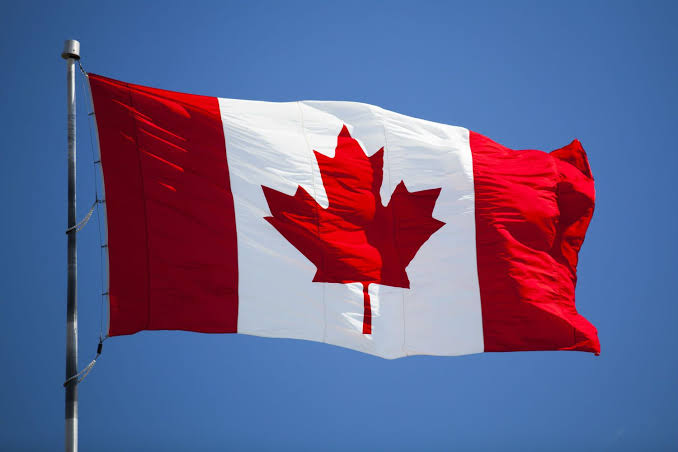
Trade relations between the United States and Canada plunged into fresh crisis late Friday as negotiations between the two longtime allies collapsed, with Ottawa vowing to strike back against sweeping new American tariffs.
Canadian Prime Minister Mark Carney announced he was suspending trade talks with Washington after what he described as unfair, last-minute changes to the terms the U.S. had proposed. Carney said Canada would retaliate by matching the U.S. tariffs dollar for dollar.
The breakdown came just days after Trump had paused the tariffs for three days and declared that the two countries had reached a “DEAL!” an agreement that ultimately fell apart over unresolved details.
At the center of the dispute are steep American duties on Canadian exports. The U.S. moved to impose 50% tariffs on roughly $28 billion worth of Canadian goods, a levy that targets a range of products including wine, hockey sticks, cement and plywood, and by other accounts also extends to building materials and certain kinds of clothing.
By Saturday, the U.S. had followed through, imposing the 50% tariffs on roughly $20 billion worth of Canadian products, and Carney confirmed Canada’s retaliatory tariffs would take effect starting September 8.
Carney placed the blame squarely on Washington. In a statement issued early Saturday, he said the last-minute changes to the U.S. proposed terms were unfair and uneconomic, and that they called into question the reliability of any deal with the Americans. He also argued the new duties amounted to a serious misjudgment on the part of the U.S. Carney called the tariffs “a miscalculation.”
U.S. officials offered a starkly different account. U.S. Trade Representative Jamieson Greer said Canada had declined to finalize the deal under terms agreed to earlier in the week, and accused Ottawa of introducing new demands and walking back prior commitments despite what he called the best treatment offered to any major U.S. trading partner.
Greer also pointed to what had been on the table before talks fell apart: earlier in the week, the U.S. had reportedly offered Canada significant tariff reductions on steel, aluminum, autos and lumber, along with supply chain coordination on aerospace, critical minerals cooperation, and the launch of formal renegotiations of the U.S.-Mexico-Canada Agreement.
Carney, for his part, framed the standoff as evidence of Canada’s broader economic leverage. “Canada has what the world wants. And we will not allow any nation to determine our future,” he said.
The collapse has drawn a wave of reaction from Canadian provincial leaders. Ontario Premier Doug Ford voiced support for Carney’s stance, calling for a “tariff for tariff, dollar for dollar” response and urging Canadians to stand united.
British Columbia Premier David Eby said the province did not seek the fight but would keep pushing back for as long as necessary, while Alberta Premier Danielle Smith struck a more conciliatory tone, saying she hoped for a tariff-free relationship with the U.S. going forward.
The dispute is the latest flashpoint in a relationship that has grown increasingly strained over the past year, marked by disagreements over tariffs, cross-border trade practices and other diplomatic friction.
With retaliatory measures set to take hold in the coming weeks, both sides now face mounting pressure economic and political to find a path back to the negotiating table.
WHAT YOU SHOULD KNOW
U.S.-Canada trade talks collapsed late Friday, and the U.S. followed through with 50% tariffs on roughly $20-28 billion in Canadian goods. Canada, under PM Mark Carney, has vowed to hit back with matching “dollar-for-dollar” tariffs starting September 8.
Each side blames the other for the breakdown Carney calls the U.S. terms unfair and unreliable, while Washington accuses Canada of reneging on an already-agreed deal.
This is a real, escalating trade war between two of the world’s closest economic partners, not just political posturing and consumers and businesses on both sides of the border should expect higher costs on affected goods in the weeks ahead.