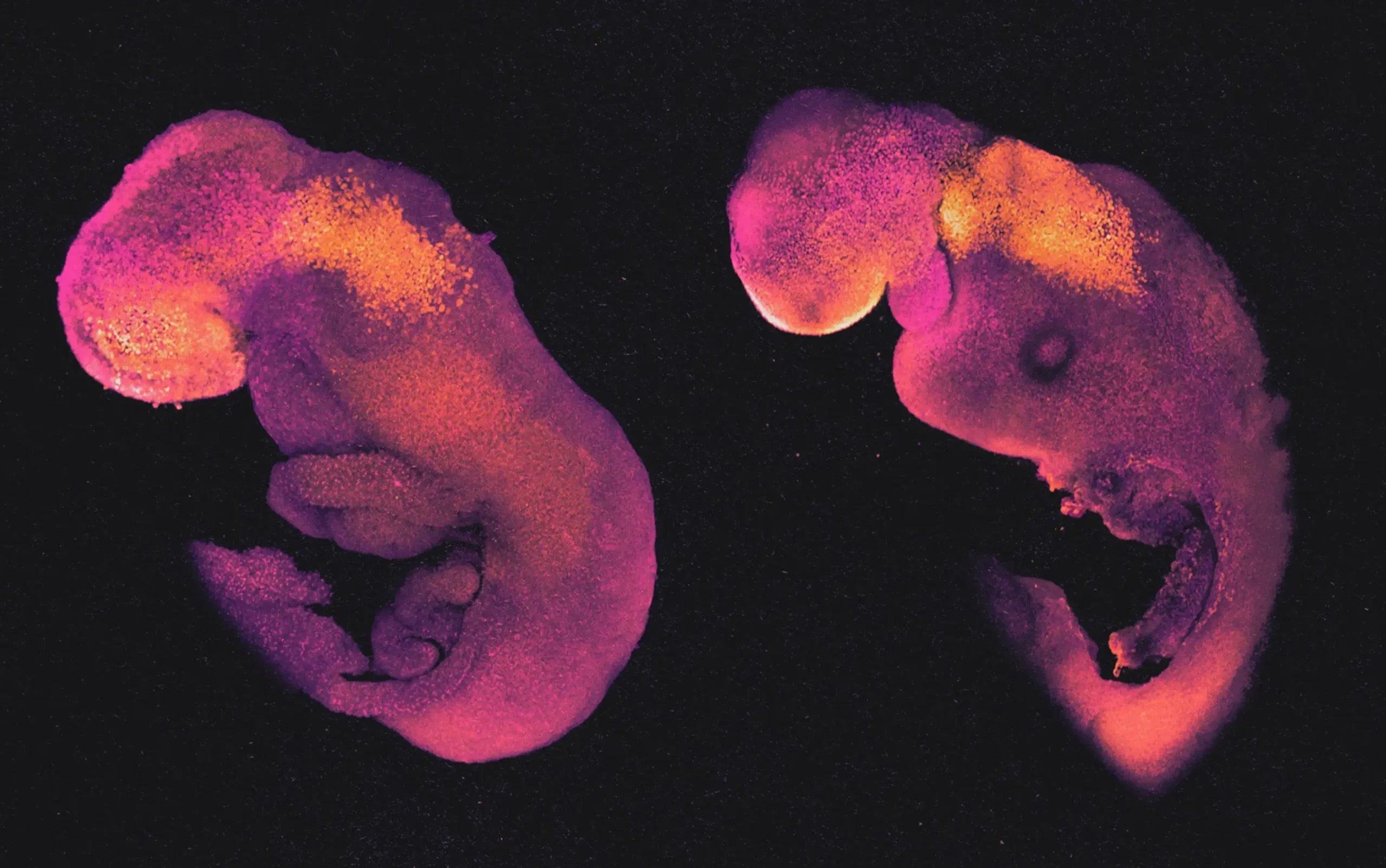
In a groundbreaking development in reproductive medicine, eight babies have been born in the United Kingdom through an innovative IVF method that significantly lowers the risk of inheriting genetic disorders from their mothers.
This advancement, revealed in a recent world-first trial, marks a pivotal moment for families affected by mitochondrial DNA mutations.
The research has sparked hope for countless women carrying such mutations, offering the possibility of having children free from debilitating or fatal inherited conditions. Mitochondrial diseases—affecting approximately one in every 5,000 births—have no cure and present with a wide array of severe symptoms, including visual impairment, diabetes, and progressive muscle degeneration.
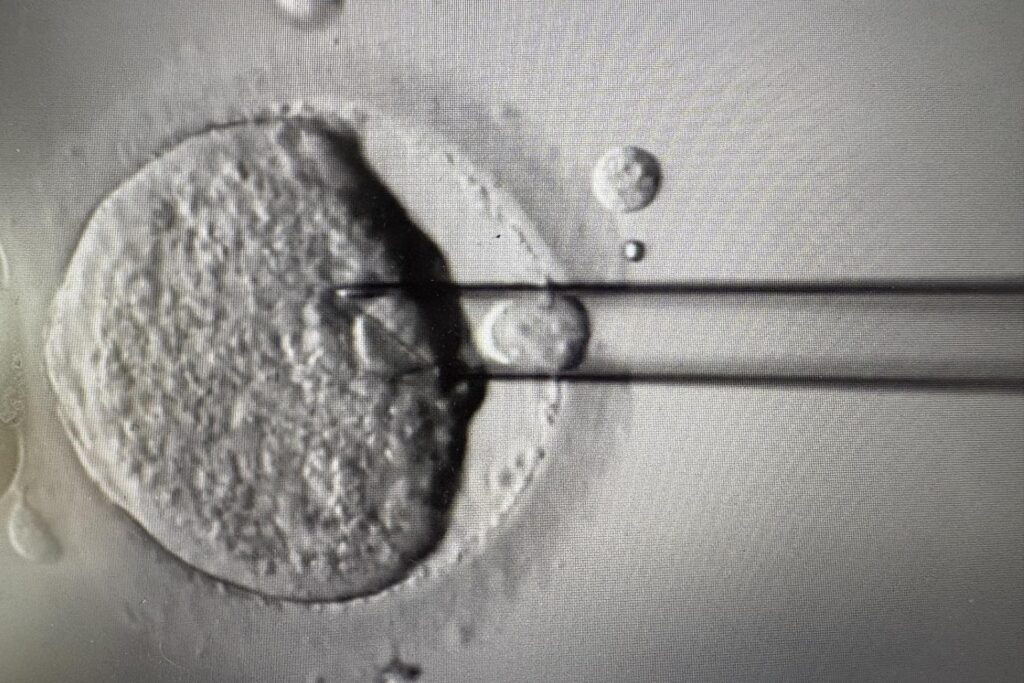
The United Kingdom became the first nation in 2015 to legalize a specialized IVF technique that utilizes a portion of healthy mitochondrial DNA from a donor’s egg. This donor material is combined with the biological mother’s egg and the father’s sperm to create a viable embryo. While the term “three-parent babies” has occasionally been used to describe the outcome, researchers clarify that only about 0.1 percent of the child’s DNA comes from the donor, making the term scientifically misleading.
The results of this pioneering treatment, carried out at the Newcastle Fertility Centre in northeast England, were recently published in the New England Journal of Medicine.
Of the 22 women who participated in the trial, eight successfully gave birth, resulting in four boys and four girls now aged from under six months to just over two years. Six of the infants showed a 95 to 100 percent reduction in disease-causing mitochondrial DNA. For the remaining two, the reduction ranged from 77 to 88 percent, which is below the threshold at which symptoms typically occur.
These findings underscore the technique’s effectiveness in minimizing the genetic transmission of mitochondrial disorders from mother to child. All eight children are presently in good health, though one experienced a temporary irregular heart rhythm, which was promptly and successfully treated. Ongoing medical monitoring will track their development over time to detect any emerging health issues.
Nils-Goran Larsson, a renowned reproductive health specialist from Sweden who was not involved in the study, praised the success as a major leap forward, describing the method as a crucial option for families confronting the devastating effects of mitochondrial conditions.
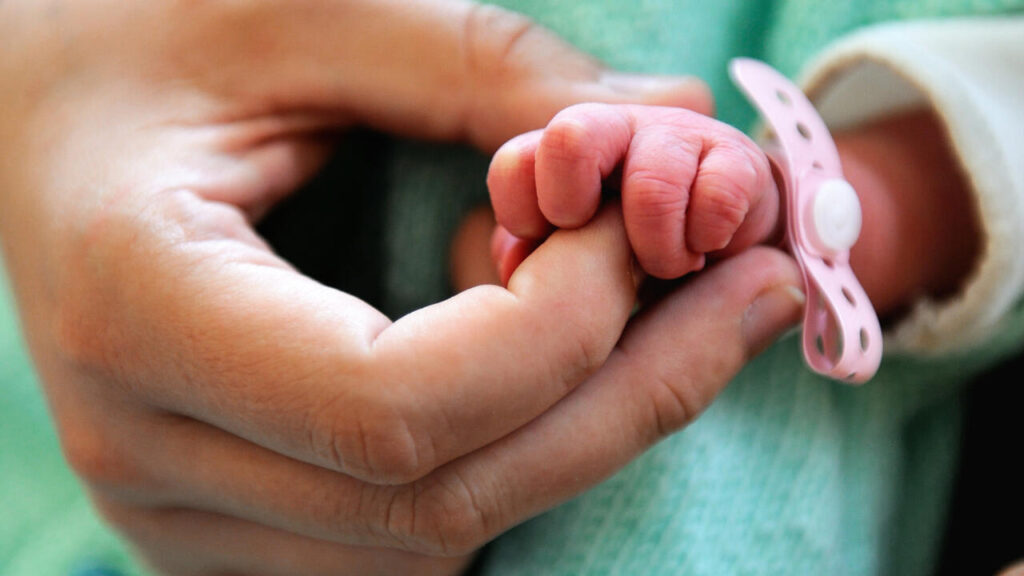
Despite its promising results, mitochondrial DNA donation continues to spark ethical debate and remains prohibited in countries such as the United States and France. Religious groups have voiced objections over the destruction of embryos involved in the process, while others worry the technology could lead to future practices like genetic enhancement of embryos.
An ethical review led by the UK’s Nuffield Council on Bioethics played a vital role in the greenlighting of the trial. Danielle Hamm, the council’s director, emphasized the importance of the ethical foundation in enabling the research. Peter Thompson, head of the UK’s Human Fertilisation and Embryology Authority, stressed that only families facing a high risk of transmitting mitochondrial diseases qualify for the procedure.
Meanwhile, ethical dilemmas have emerged in countries like Greece and Ukraine, where mitochondrial donation has been used for fertility treatment rather than disease prevention.
French mitochondrial disease specialist Julie Stefann remarked that, in the context of preventing life-altering diseases, the benefits are clear. However, she noted that its effectiveness in treating infertility remains unproven.
Dagan Wells, a reproductive genetics expert at Oxford University, acknowledged that some in the scientific community may feel underwhelmed by the relatively small number of births given the effort invested. He also noted the observation of “reversal” in three of the children—a poorly understood process in which defective mitochondria reappear in greater numbers by birth, despite their initial reduction during embryo development.
What You Should Know
Mitochondrial diseases are incurable, inherited conditions passed from mother to child. This IVF breakthrough, which involves using healthy donor mitochondrial DNA, could help prevent these diseases.
Eight babies born through the UK trial are currently healthy, offering new hope to families at risk of passing on genetic disorders.