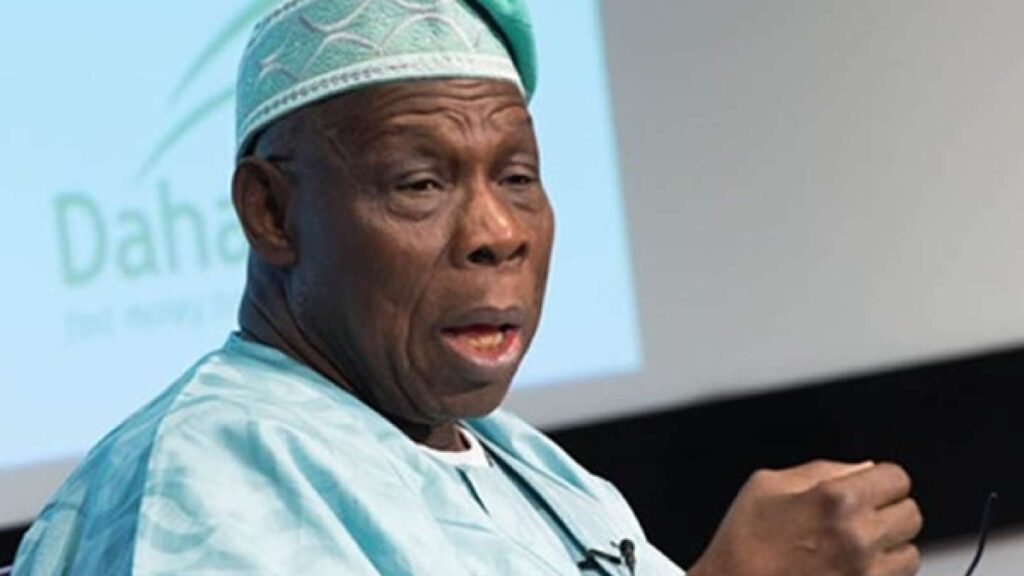
Former President Olusegun Obasanjo has raised concerns that the prolonged battle against Boko Haram has stretched far longer than Nigeria’s civil war, which occurred between 1967 and 1970.
He shared his thoughts on Sunday during the ‘Toyin Falola Interviews’ session, which was streamed live on social media.
Joining the discussion were the Catholic Bishop of the Sokoto Diocese, Matthew Kukah, and former Deputy Governor of the Central Bank of Nigeria, Mr Kingsley Moghalu.
Responding to questions about insecurity in the country, the former president stressed that those in leadership must recognise that Nigeria requires a blend of training, equipment, intelligence, and technology to defeat insurgency. Obasanjo added that there is no issue with Nigerian military personnel undergoing training in nations that have effectively tackled similar security challenges.
Drawing from his experience handling the Niger Delta militancy, he remarked that he would not dismiss the possibility of security operatives cooperating with insurgents.
His words: “There are four important items and I hope that those who are in charge, military, executive, and legislature, know what they are doing. First, there is training. There are different types of training. The military is trained for conventional war.
“If the people you are dealing with are fleeting targets or living among your people, you will need different types of training to deal with them.
“Among the countries that have done that fairly successfully is Colombia. Should we invite them to train our people? There is no shame in that. It is a specialised type of training.
“There is the equipment. The equipment to fight that type of warfare. It differs from equipment for conventional warfare. The other one is intelligence. You need absolute intelligence. Can others trust us with the intelligence that they have?
“The fourth one is technology. These four have to come together and do other things internally.
“Then you ask the military to be the one buying equipment. It is not done. The whole thing is an industry. It is an industry.
“Civil war lasted for 30 months. Although we thought it would last for six months. But this fight against insurgents and criminals has lasted for almost 15 years.”
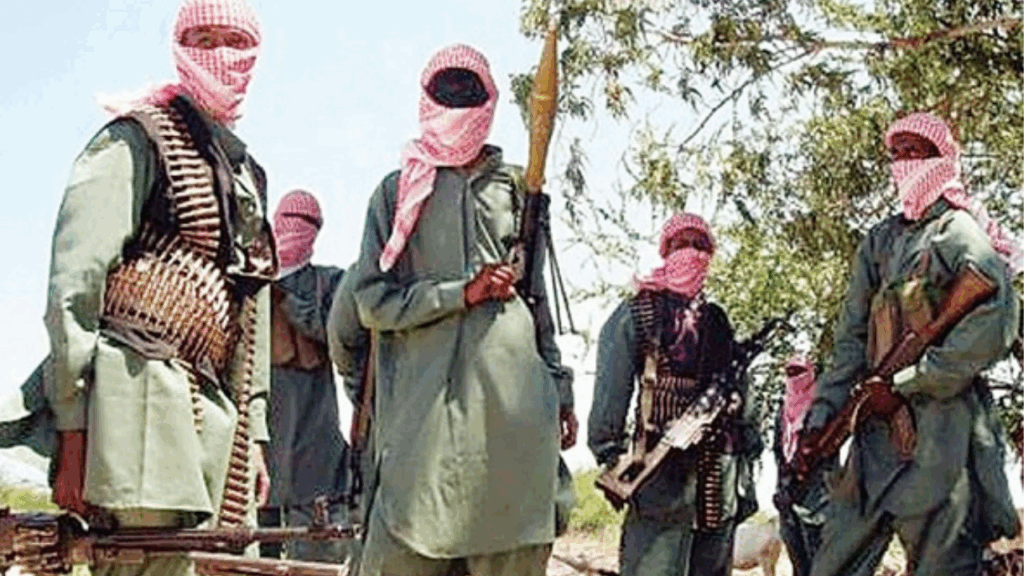
He also recounted travelling to Maiduguri in 2011 to understand the roots, motives, and leadership structure of Boko Haram, noting that the group initially declined to engage the Federal Government.
According to him, Boko Haram eventually accepted a 21-day ceasefire to enable dialogue. Obasanjo explained that the government failed to take advantage of that opening to reach the insurgents’ leaders.
What You Should Know
The remarks by former President Obasanjo highlight long-standing concerns about Nigeria’s slow progress in ending the Boko Haram conflict.
His comparison of the insurgency to the civil war underscores its scale and the deep challenges facing the country’s security structure. By stressing training, equipment, intelligence, and technology, he draws attention to gaps that continue to undermine counter-insurgency operations.
His recollection of a missed opportunity for negotiation in 2011 further reflects how political and institutional lapses have prolonged the crisis. His comments offer a sobering reflection on the need for coordinated action and genuine commitment to achieving peace.