China has urged its citizens to suspend travel to Japan, marking a sharp escalation in a diplomatic dispute triggered by comments from Japan’s new prime minister regarding a potential military emergency involving Taiwan.
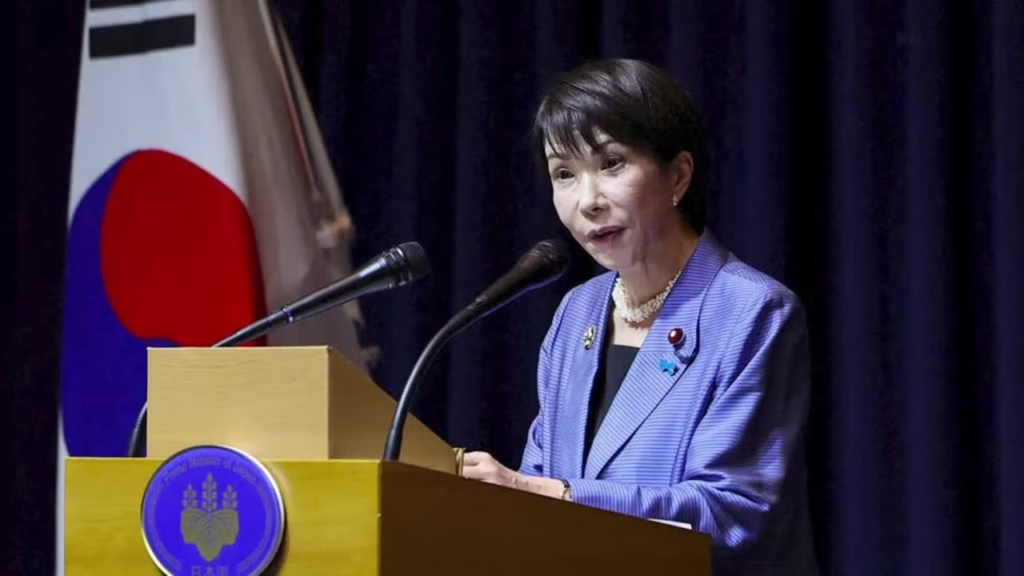
The controversy began after Japanese Prime Minister Sanae Takaichi told lawmakers on November 7 that any use of force against Taiwan—an island claimed by China—could justify a military response from Japan. The remark immediately drew anger from Beijing and set off a series of diplomatic exchanges that have deepened friction between the two Asian powers.
On Friday, China disclosed that it had summoned Japan’s ambassador to lodge a formal protest. Tokyo, in turn, summoned China’s ambassador over what it described as an “inappropriate” online post later deleted by Chinese officials. Despite the back-and-forth, Japan insisted that its longstanding position on Taiwan, located just 100 kilometres (62 miles) from the closest Japanese territory, remains unchanged.
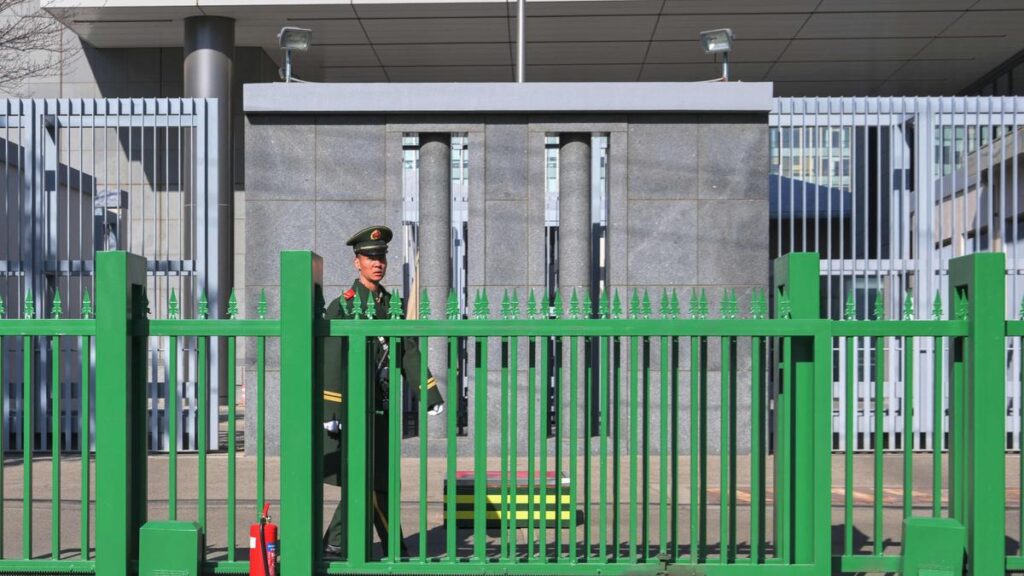
Late Friday, China’s embassy in Japan issued an unusual online advisory, asking Chinese nationals to reconsider travel plans to the country. The WeChat post accused Japanese leaders of making “blatantly provocative remarks regarding Taiwan,” adding that such statements had “severely damaged the atmosphere for people-to-people exchanges.”
According to the embassy, the situation now presents “significant risks to the personal safety and lives of Chinese citizens in Japan,” prompting the warning. “The Ministry of Foreign Affairs and the Chinese embassy and consulates in Japan solemnly remind Chinese citizens to avoid travelling to Japan in the near future,” the notice said.
Japan’s government responded swiftly. Chief Cabinet Secretary Minoru Kihara told reporters on Saturday that China’s advisory was “inconsistent with the promotion of a strategic and mutually beneficial relationship,” according to Jiji Press. Tokyo has since called on Beijing to take “appropriate measures” to avoid further deterioration in bilateral ties.
Although China and Japan maintain extensive economic relations, historical grievances and geopolitical rivalry frequently strain their interactions. Beijing insists that Taiwan—under Japanese rule until 1945—is an inseparable part of its territory, and has repeatedly stated that it will not rule out the use of force to bring the island under its control.
Takaichi, known for her conservative views and firm stance on China, has moderated her tone since assuming office last month. Nonetheless, her latest remarks have quickly thrust her administration into a diplomatic confrontation. Speaking in parliament, she argued that an armed attack on Taiwan could justify Japanese military involvement under “collective self-defence.”
She said that if a crisis in Taiwan included “battleships and the use of force, then that could constitute a situation threatening the survival (of Japan), any way you slice it.” Under security legislation enacted in 2015, Japan may exercise “collective self-defence” under limited circumstances, particularly if a clear threat is posed to the nation’s survival.
Despite the uproar, Takaichi has made it clear she does not intend to retract her earlier statement, saying it was consistent with Tokyo’s established security posture. However, she added that she would avoid mentioning specific conflict scenarios moving forward.
Previous Japanese leaders have typically avoided publicly addressing how Tokyo might respond to a military assault on Taiwan, opting instead for strategic ambiguity. The United States, Taiwan’s key security partner, has long followed a similar approach, deliberately remaining vague on whether it would deploy forces to defend the island.
The dispute intensified last weekend after Xue Jian, the Chinese consul general in Osaka, posted a message referencing “(cutting) off that dirty neck,” widely interpreted as a hostile comment aimed at Takaichi. The Japanese government filed a formal protest over the incendiary social media post, which was later removed. In response, Takaichi’s ruling party passed a resolution urging that the consul general be declared persona non grata.
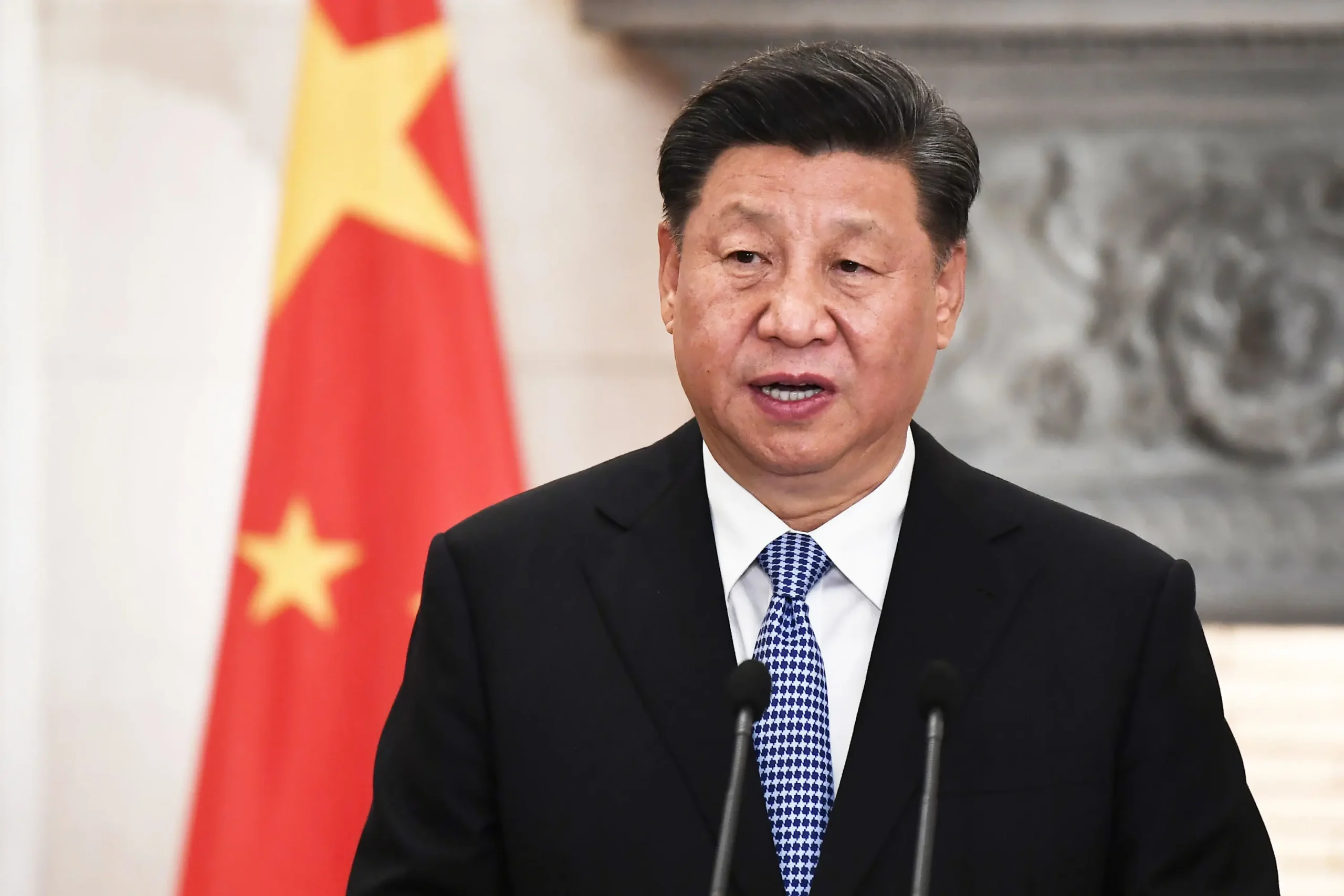
Before becoming prime minister, Takaichi—seen as a protégé of the late former Prime Minister Shinzo Abe—was one of Japan’s most outspoken critics of China’s military expansion in the Asia-Pacific. She has visited Taiwan on several occasions and recently met Taipei’s representative at an APEC summit, where she also held talks with Chinese President Xi Jinping.
The latest diplomatic flare-up underscores how swiftly tensions in the region can escalate, particularly when Taiwan’s security is involved.
What You Should Know
The latest dispute between China and Japan stems from comments by Japan’s new prime minister about a potential military response to an attack on Taiwan.
Beijing reacted strongly, summoning Japan’s envoy and issuing an unprecedented travel warning to Chinese citizens.
While both nations remain major trading partners, long-standing mistrust, historical issues, and strategic rivalry continue to fuel tensions—especially on matters involving Taiwan, where any shift in rhetoric can rapidly inflame regional dynamics.