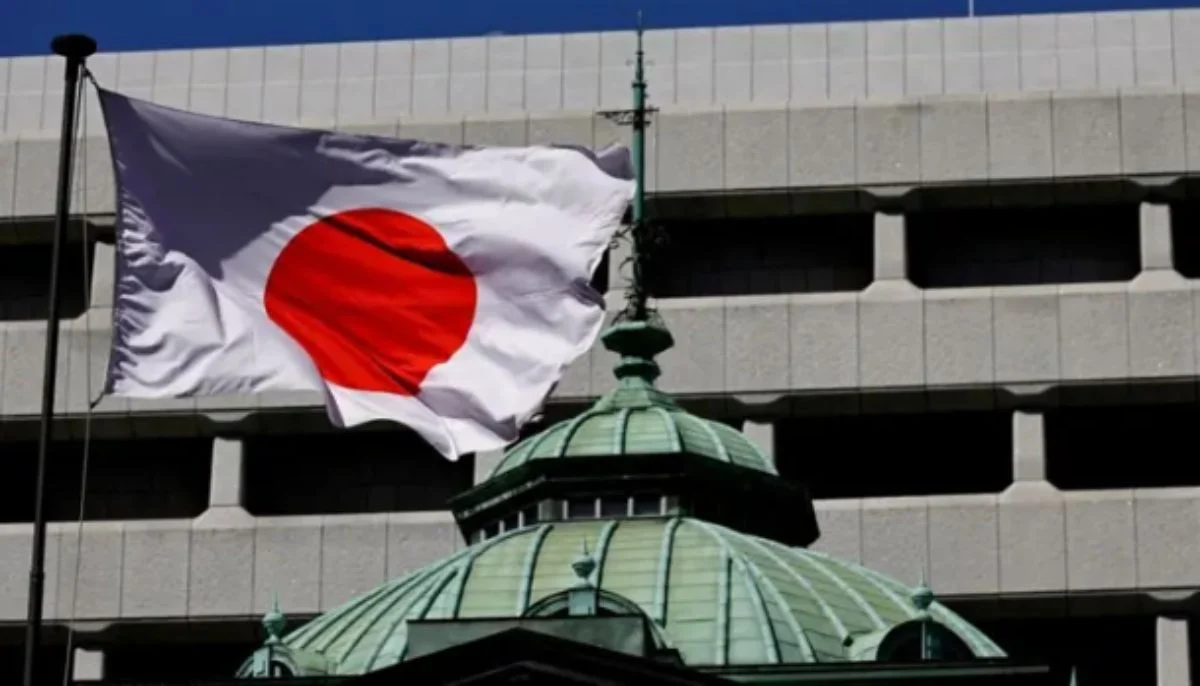
The Bank of Japan took another decisive step away from its era of ultra-loose monetary policy on Friday, raising interest rates to their highest level in 30 years as the country attempts to normalize borrowing costs after decades of fighting deflation.
The central bank’s policy board voted unanimously to increase its benchmark short-term rate to 0.75% from 0.5%, marking the first hike since January and bringing rates to levels not seen since 1995. That was a time when Japan’s economy was still reeling from the collapse of an asset bubble that would eventually trap the nation in a generation-long struggle with deflation and economic stagnation.
Signaling Confidence in Economic Recovery
In its policy statement, the BOJ struck a cautiously optimistic tone about Japan’s economic trajectory, expressing confidence that the country is on track to sustainably achieve its 2% inflation target. The central bank pointed to wage growth as a key factor underpinning this outlook, suggesting that a virtuous cycle of rising wages and moderate inflation could finally be taking hold.
“Judging from recent data and surveys, there is a high chance the mechanism by which wages and inflation rise moderately in tandem will be sustained,” the BOJ said, explaining its rationale for the rate increase.
The bank also made clear that Friday’s move is unlikely to be its last, stating that it “will continue to raise interest rates” if economic conditions and price forecasts align with expectations. This represents a significant shift for an institution that spent years deploying unprecedented stimulus measures to combat persistent deflation.
Markets React with Mixed Signals
Despite the rate hike, the yen weakened following BOJ Governor Kazuo Ueda’s post-meeting press conference, with the dollar climbing above 157 yen to reach a one-month high. Japan’s 10-year government bond yield, meanwhile, surged to a 26-year peak.
The currency’s decline appeared to stem from what markets perceived as a lack of urgency in Ueda’s comments about future rate increases. While the governor acknowledged that the BOJ could see room for further hikes if wage growth continues to broaden, he provided little concrete guidance on timing or pace.
“We will update at each meeting our views on the economic and price outlook as well as risks and the likelihood of achieving our forecasts and make an appropriate decision,” Ueda said, offering the kind of meeting-by-meeting flexibility that central bankers typically favor but markets often find frustrating.
Masato Koike, a senior economist at Sompo Institute Plus in Tokyo, interpreted the governor’s measured tone as a signal that the BOJ would take its time with future adjustments. “He didn’t offer new hints and didn’t appear to be keen to hike in a rush. That may have fueled perceptions the BOJ will take time raising rates, thereby weakening the yen,” Koike observed.
The Neutral Rate Question
A key focus for analysts was Ueda’s discussion of the “neutral “rate—the theoretical interest rate level that neither stimulates nor restricts economic growth. The BOJ estimates Japan’s neutral rate falls somewhere between 1.0% and 2.5%, meaning Friday’s increase to 0.75% still leaves policy in accommodative territory.
Ueda acknowledged this gap, saying there remains “some distance to the bottom of our estimated range of neutral,” which suggests additional rate hikes lie ahead. However, he cautioned that determining appropriate policy involves more than simply measuring distance from the neutral rate.
“In judging the degree of monetary support, we need to look not just at the distance from the neutral rate but real interest rates, lending, and developments in the economy,” the governor explained.
Internal Dissent on Inflation Outlook
While the rate decision itself was unanimous, the BOJ revealed cracks in its board’s consensus on the inflation outlook. Two hawkish members, Hajime Takata and Naoki Tamura, dissented from the bank’s view that underlying inflation would converge around the 2% target in the latter half of its forecast period through fiscal 2027.
Their dissent points to ongoing concern among some policymakers about broadening inflationary pressures in the economy. Japan has experienced inflation above 2% for nearly four years, driven largely by stubbornly high food prices and import costs exacerbated by the weak yen.
Political Tensions and Economic Concerns
The BOJ’s gradual approach to rate normalization has drawn criticism, with some analysts blaming the slow pace for contributing to yen weakness. The currency’s decline has become a political headache, pushing up import costs and broader inflation in ways that directly affect consumers.
These currency-driven inflationary pressures helped the BOJ make its case for Friday’s rate increase to the administration of Prime Minister Sanae Takaichi, who had previously expressed dovish views on monetary policy.
However, not everyone in government welcomed the decision. Economy Minister Minoru Kiuchi, while stating he respected the BOJ’s independence, noted that higher rates would increase debt servicing costs for the heavily indebted government. He emphasized the need for policymakers to remain vigilant about the broader economic impact.
A Long Journey from Crisis
Friday’s rate hike represents another milestone in what has been an extraordinarily gradual exit from emergency monetary policy. The BOJ only ended its decade-long massive stimulus program last year and has raised rates just twice since then, including January’s move from 0.25% to 0.5%.
For an economy that endured years of deflation and near-zero growth, the current moment represents both opportunity and risk. The BOJ is betting that Japan’s economy has finally achieved the escape velocity needed to sustain moderate inflation and growth without extraordinary monetary support.
Whether that bet proves correct will depend heavily on whether wage growth continues to broaden across the economy—a development the central bank will be watching closely as it charts its next moves.
WHAT YOU SHOULD KNOW
The Bank of Japan raised interest rates to 0.75%—the highest in 30 years—signaling confidence that Japan is finally escaping decades of deflation through sustained wage growth and moderate inflation. However, the yen weakened as Governor Ueda offered no clear roadmap for future hikes, leaving markets uncertain about how quickly rates will continue rising toward the estimated “neutral” range of 1.0%-2.5%.
The central bank faces a delicate balancing act: moving too slowly risks further yen weakness and import-driven inflation, while moving too fast could derail Japan’s fragile economic recovery. The success of this historic monetary shift hinges entirely on whether wage increases continue to broaden across the economy.