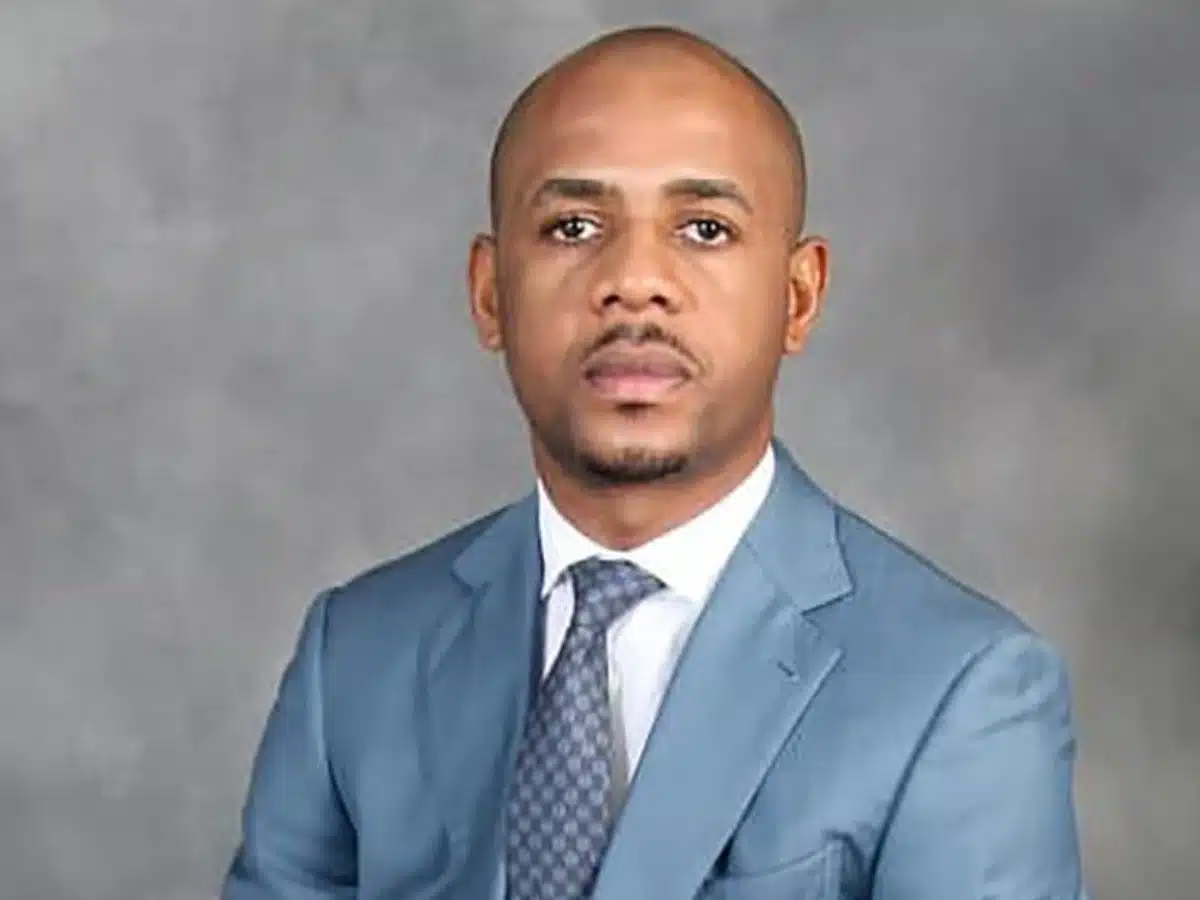
Baltasar Engonga, the former Director General of the National Financial Investigation Agency in Equatorial Guinea, could face up to 18 years in prison as his corruption trial unfolds at the Malabo court.
Detained since September 2024 in the infamous Black Beach Prison, Engonga is being prosecuted on multiple charges, including embezzlement of public funds, unlawful enrichment, and abuse of office.
These alleged crimes stem from his time as head of the Directorate General of Insurance and Reinsurance between 2015 and 2020.
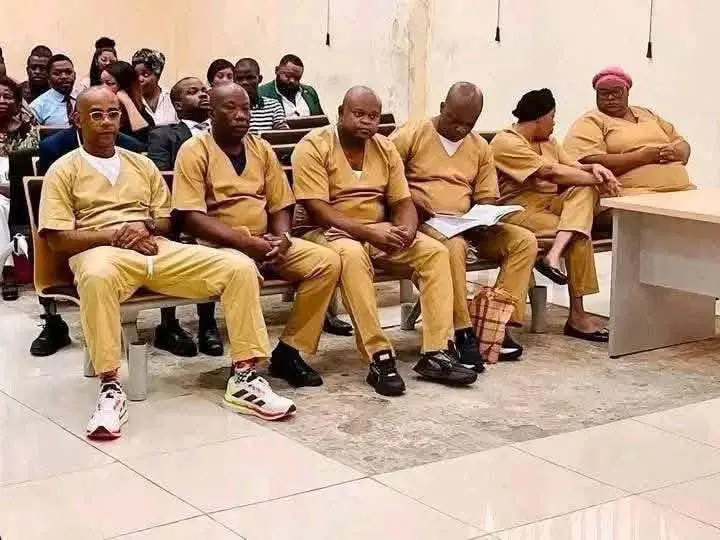
Prosecutors accuse Engonga of masterminding a vast financial scheme designed to divert government resources for personal use.
In court proceedings held on Monday, the national prosecutor recommended specific penalties for each charge: eight years for embezzlement, four years and five months for unlawful enrichment, and six years and one day for abuse of office.
The prosecution also requested a hefty fine exceeding 910 million CFA francs, equivalent to roughly $1.5 million, and a prohibition on Engonga holding any public office for the duration of his sentence.
The case has drawn extraordinary attention, not only for the scale of the alleged financial wrongdoing but also for a scandalous twist that has sent shockwaves through Equatorial Guinea’s political elite. During a raid on Engonga’s office and residence, investigators reportedly discovered over 400 sex tapes.
These videos, authorities say, were consensually recorded and involved numerous prominent women, including the wives of high-ranking ministers, senior security officers, and even relatives of top government officials.
The recordings found on CDs and hard drives concealed in Engonga’s private office have since begun circulating online, triggering national outrage and deep embarrassment within powerful political circles.
Engonga is not standing alone in the dock. He is joined by six other former senior officials, including Carmelo Julio Matogo Ndong and Florentina Iganga Iñandji, all of whom are accused of playing key roles in what authorities have described as a highly organized looting network embedded within government institutions.
According to investigators, this group exploited their positions to funnel large sums of public money into private hands under the guise of administrative operations.
As the trial continues this week, the spotlight shifts to the defence, which is expected to counter the allegations and question the validity of the prosecution’s evidence.
Observers across the country and beyond are watching closely as the courtroom drama unfolds, not only for its legal implications but also for its potential to reshape Equatorial Guinea’s political and judicial landscape.
The outcome may serve as a litmus test for the country’s stated commitment to fighting corruption and restoring public trust in governance.
What You Should Know
- Engonga faces 18 years for embezzlement, unlawful enrichment, and abuse of power, with a $1.5 million fine and a public office ban.
- The trial, involving six other officials, alleges a complex scheme to divert state funds from 2015 to 2020.
- Over 400 consensual sex tapes found during a fraud probe fueled a national scandal, leading to Engonga’s dismissal.
- His defense claims political targeting, while the verdict could shape Equatorial Guinea’s anti-corruption landscape.
- The case highlights tensions within the ruling elite, with Engonga’s familial ties to President Obiang adding complexity.