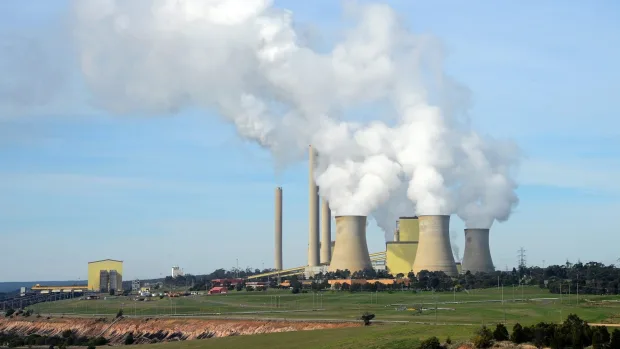
Australia announced on Thursday its pledge to reduce greenhouse gas emissions by as much as 70 percent from 2005 levels over the next decade, a move welcomed but criticized by climate activists as insufficient to meet global climate goals.
Under the Paris climate agreement, countries are required to submit updated emissions reduction targets and detailed roadmaps for 2035. However, fewer than 40 countries have presented their plans so far, despite United Nations calls for governments to do so this month ahead of COP30, scheduled for November in Brazil.
China is expected to release its 2035 climate target in the coming days, just before a climate summit in New York alongside the UN General Assembly.
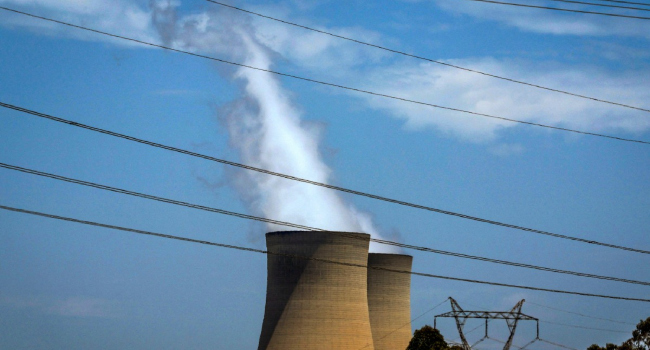
Australia’s pledge is under close scrutiny given its role as one of the world’s top coal exporters and its campaign to co-host next year’s UN climate summit with Pacific Island nations vulnerable to rising sea levels.
The announcement follows a national climate risk assessment that warned rising seas and increased flooding could jeopardize the homes and livelihoods of more than one million Australians by 2050.
Bill Hare, head of the Climate Analytics research group, described the target as “baffling,” citing the urgency of aligning emissions reductions with pathways that limit global warming to 1.5°C. “This requires strong government policy action now,” Hare emphasized.
Climate activists argue Australia should cut emissions by at least 76 percent from 2005 levels to stay within the Paris Agreement’s 1.5°C threshold.
Prime Minister Anthony Albanese defended the target, calling the proposed 62-70 percent cut a “responsible target backed by the science.” His government also launched a Aus$5 billion ($3.3 billion) “Net Zero Plan” to support businesses in adopting renewable energy, expand access to clean power, and boost zero-emission vehicle ownership.
Still, climate policy experts such as Jacqueline Peel of the University of Melbourne Law School warned that the figure risks disappointing all sides. “Given the risks in this week’s climate assessment, this ‘achievable’ target feels very anticlimactic,” she noted.
Former Kiribati president Anote Tong, a leading Pacific climate advocate, also criticized the reliance on fossil fuels. “The problem has been Australia’s high volume of fossil fuel exports and ongoing subsidies to the fossil fuel industry,” he said. He warned that ignoring the recent climate risk assessment could lead to “apocalyptic scenarios” for Australians and their neighbors.
Global emissions continue to rise despite urgent calls for reductions. To meet the Paris climate goals, worldwide emissions must nearly halve by 2030. Australia’s previous commitment had been a 43 percent cut from 2005 levels by 2030.
While the country has invested billions into solar, wind, and green manufacturing, its ambitions are often overshadowed by its entrenched coal industry, keeping it among the largest exporters of fossil fuels worldwide.
What you should know
Australia has pledged to cut emissions by up to 70% by 2035, backed by a $3.3 billion “Net Zero Plan.”
Critics argue the target falls short of Paris Agreement goals, with experts calling for at least 76%. The nation’s reliance on coal exports continues to challenge its green transition.