Africa is no longer under a regional public health emergency for mpox, although the disease “remains endemic in several settings,” according to the Africa Centres for Disease Control and Prevention.
The announcement was made on Saturday by the Director General of the Africa CDC, Jean Kaseya, following a similar declaration by the World Health Organisation (WHO) in September, when it said mpox was no longer a global health emergency.

The WHO had earlier declared a worldwide public health emergency over the viral infection, formerly known as Monkeypox and related to smallpox, in August 2024, after a dual outbreak emerged, largely centred in the Democratic Republic of Congo (DRC).
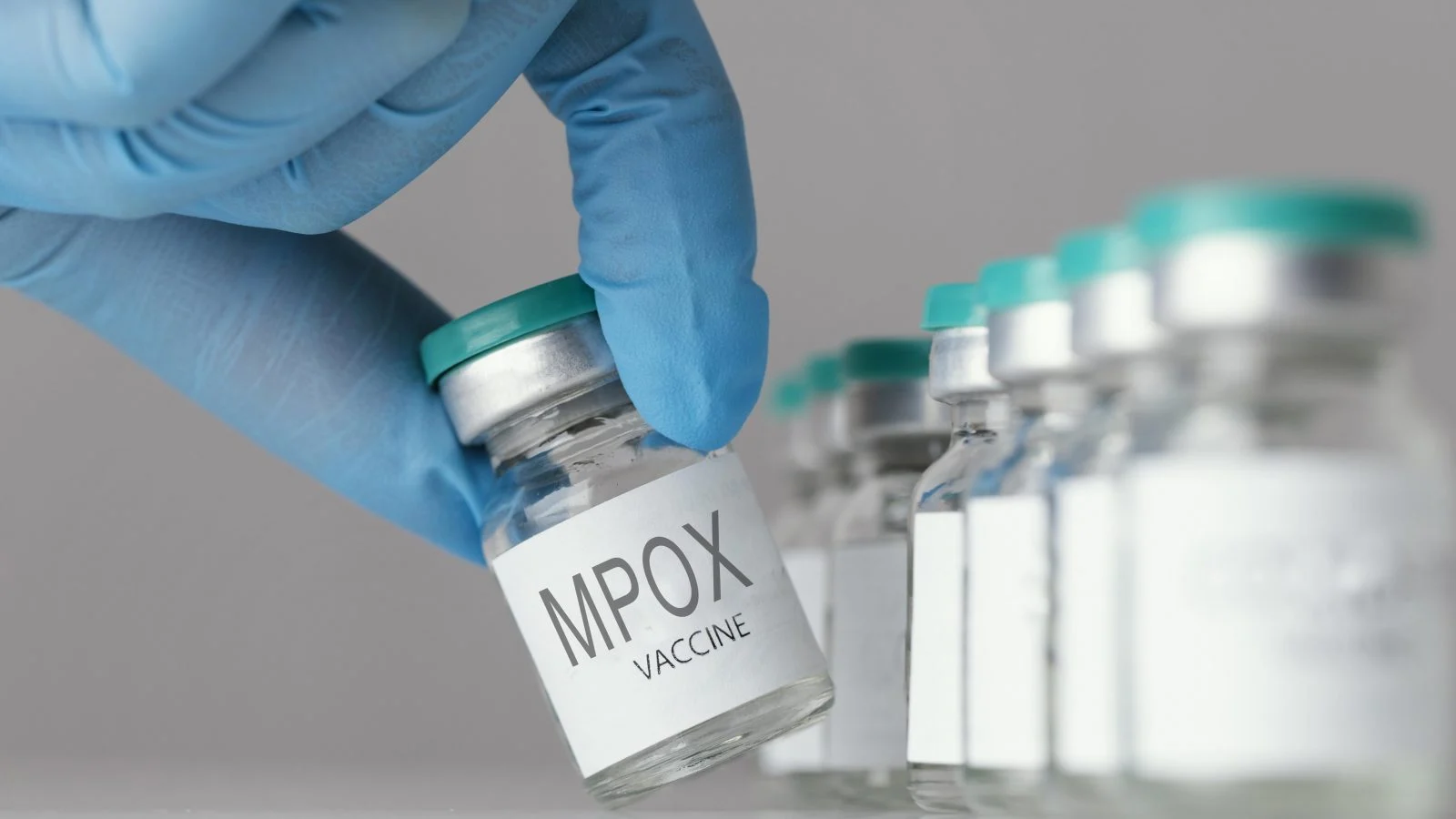
Kaseya explained that Africa’s decision to lift its regional emergency status was driven by improved disease detection, better treatment outcomes, and the deployment of more than five million mpox vaccine doses across 16 countries since 2024.
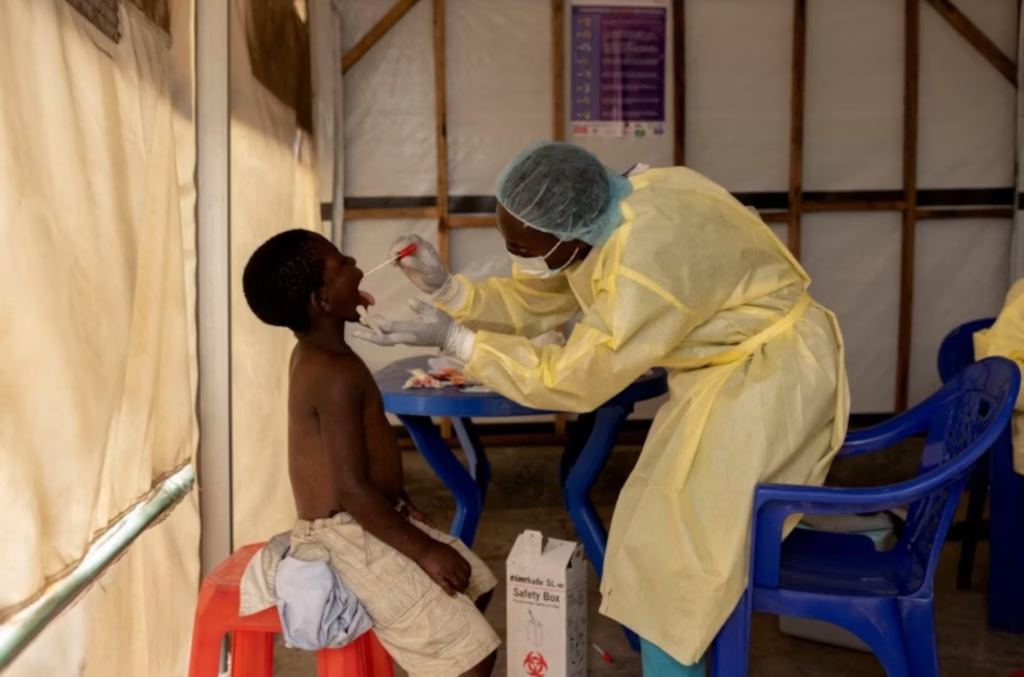
He noted that these measures contributed to a 60 percent reduction in confirmed cases between early 2025 and late 2025. During the same period, the death rate among infected individuals declined sharply from 2.6 percent to 0.6 percent, according to the statement.
Despite the progress, Kaseya cautioned that the decision should not be interpreted as the eradication of the disease from the continent.
The lifting of the regional public health emergency status “does not mark the end of mpox in Africa,” he said.
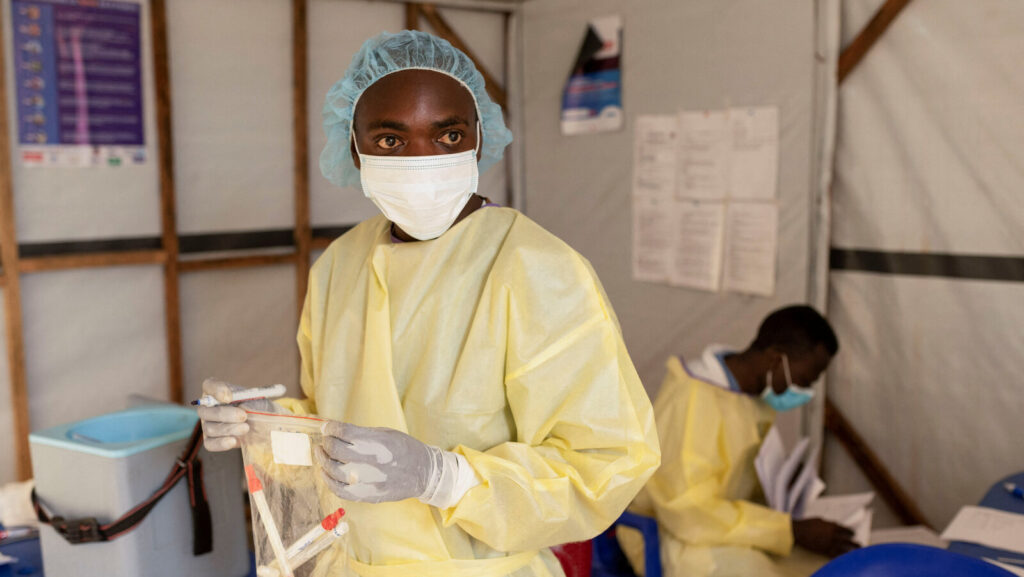
“Rather, it signals a transition from emergency response to a sustained, country-led pathway toward elimination.
“Mpox remains endemic in several settings, and continued vigilance, targeted investment, and innovation will be essential to consolidate gains and prevent resurgence,” the Africa CDC chief added.
WHO data shows that Africa accounts for 78 percent of reported mpox cases globally, with the Democratic Republic of Congo, Guinea and Madagascar currently the most affected countries.
What you should know
Africa’s decision to lift the mpox public health emergency reflects significant progress in controlling the disease through improved surveillance, treatment, and vaccination campaigns.
However, the virus has not been eliminated and continues to circulate in parts of the continent, particularly in Central and West Africa.
Health authorities stress that the focus is now shifting from crisis response to long-term, country-led strategies aimed at reducing transmission, preventing future outbreaks, and ultimately eliminating mpox as a public health threat.