The African Democratic Congress has taken aim at the Federal Government over the implementation of Nigeria’s new tax laws, arguing that the reforms fail to reflect the economic realities faced by ordinary citizens across the country.
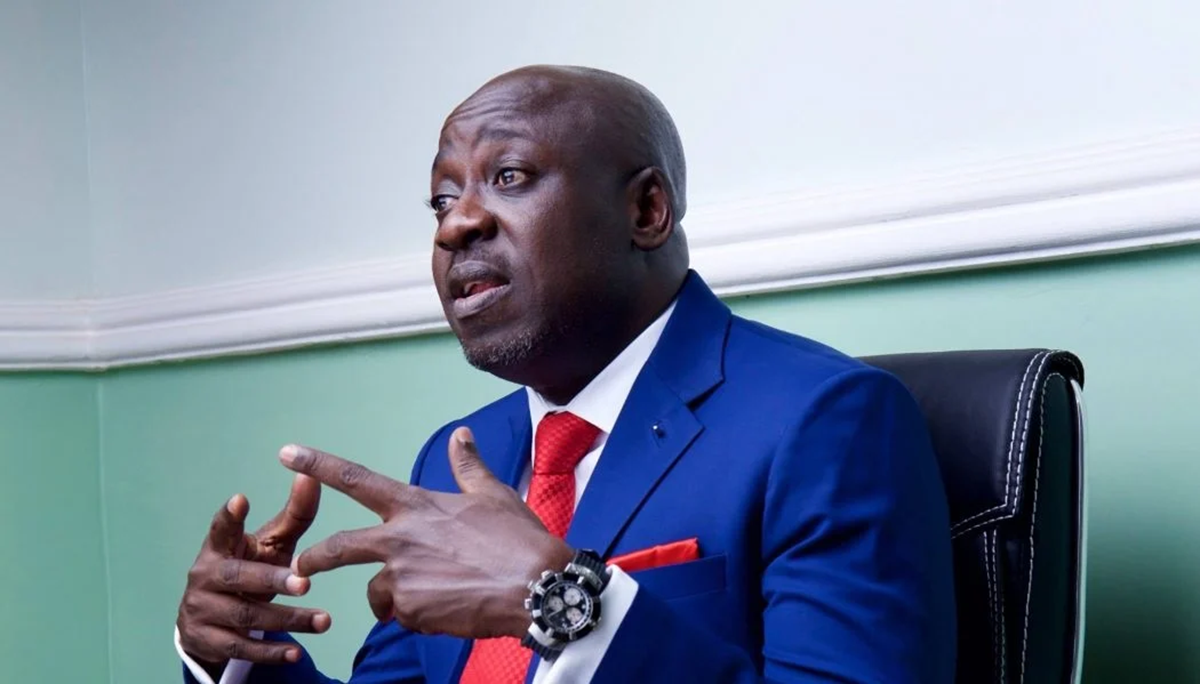
Speaking on Channels Television’s Politics Today on Tuesday, the party’s National Publicity Secretary, Bolaji Abdullahi, expressed strong dissatisfaction with the direction of the reforms, insisting that they place additional strain on a population already grappling with severe economic challenges.
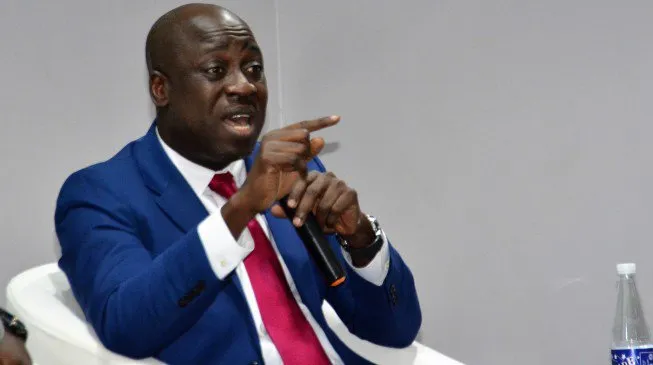
According to Abdullahi, the level of suffering endured by Nigerians has reached alarming proportions, yet the government appears unwilling to acknowledge the scale of the problem.
“The kind of hardship that Nigerians are faced with today is unprecedented… Yet the government keeps denying the reality of the majority. Look at this tax. They keep telling us the poor will not pay, but we know that is all lies,” he said.
His comments follow the recent rollout of four tax reform laws by the Federal Government, which officially came into force on January 1, 2026. The reforms are intended to restructure Nigeria’s tax system and improve revenue generation, but their introduction has been dogged by controversy.
Questions have been raised over differences between the versions of the laws reportedly passed by the National Assembly and those later published in the official gazette. This sparked public debate and confusion, with claims circulating that the final laws did not fully align with what lawmakers approved.
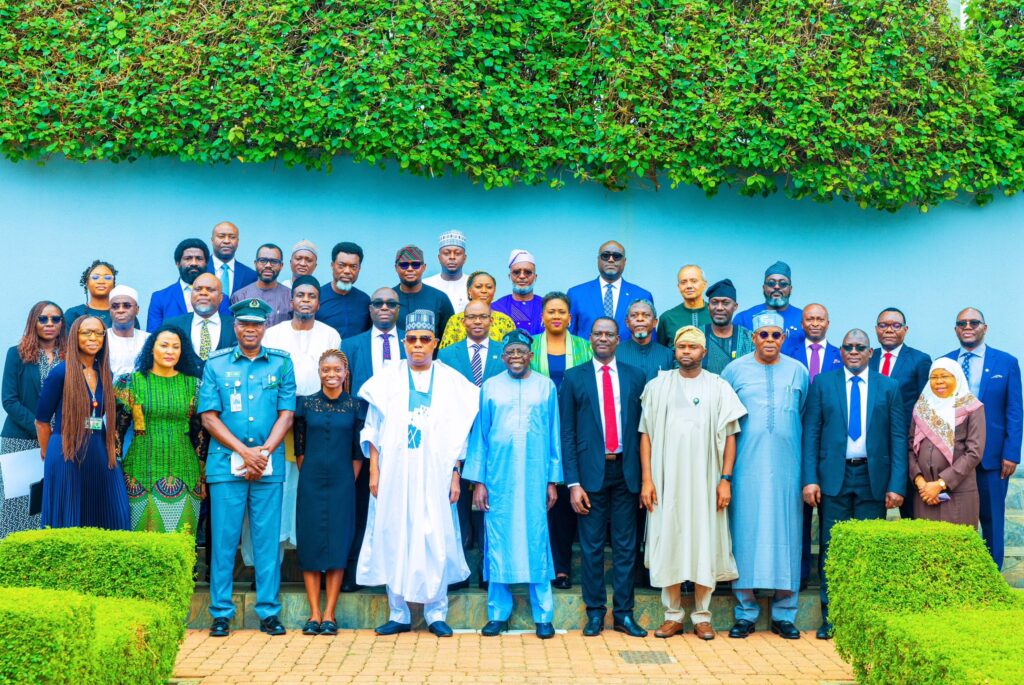
In response, the Chairman of the Presidential Fiscal Policy and Tax Reforms Committee, Taiwo Oyedele, dismissed the disputed documents as “fake” drafts. To address the growing concerns, the House of Representatives released Certified True Copies of the legislation, insisting that the move was aimed at restoring public confidence and ensuring transparency.
President Bola Tinubu has since maintained that the tax reforms are designed to stabilise and strengthen Nigeria’s fiscal framework. He has repeatedly emphasised that the laws include provisions to exempt small businesses and low-income earners, arguing that the measures are not intended to worsen the burden on vulnerable Nigerians.
Despite these assurances, criticism has continued to mount from opposition figures and political stakeholders. Prominent voices, including Atiku Abubakar and Peter Obi, have openly questioned the timing and impact of the reforms, warning that they risk further squeezing citizens already struggling with inflation, rising living costs and stagnant incomes.
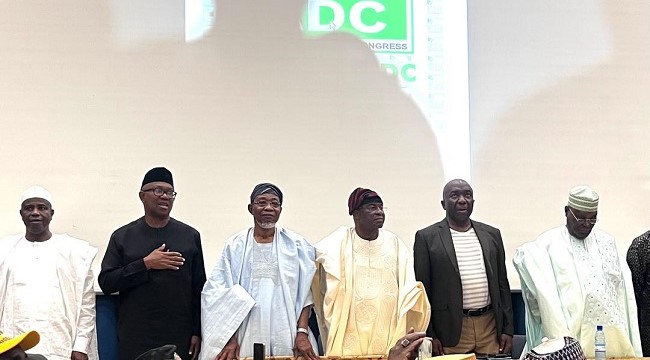
For the ADC, the issue goes beyond technical explanations and official assurances. The party insists that any policy reform must be judged by its real-life effect on Nigerians, many of whom are finding it increasingly difficult to meet basic needs in the current economic climate.
What you should know
Nigeria’s new tax laws came into effect at the start of 2026 as part of broader fiscal reforms by the Tinubu administration.
While the government says the measures will improve revenue and exempt low-income earners and small businesses, opposition parties argue that the reforms are disconnected from the economic hardship facing most Nigerians.
The controversy has also been fuelled by disputes over the authenticity of different versions of the laws, raising concerns about transparency and trust in the reform process.