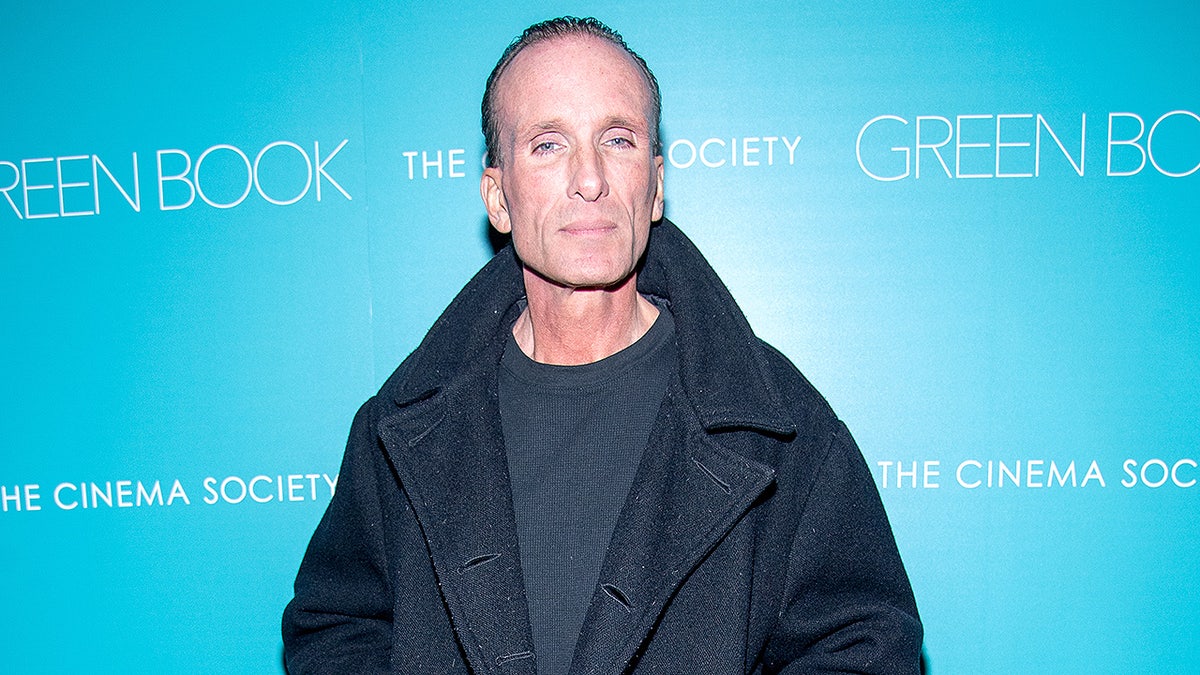
Peter Greene, the character actor who carved out a memorable niche playing menacing criminals and sociopaths in 1990s film classics, has died at age 60, his management confirmed.
Greene was discovered unresponsive in his New York City apartment Wednesday afternoon at approximately 3:25 p.m., according to police sources. He was pronounced dead at the scene. The cause of death remains under investigation pending autopsy results, though authorities have indicated they do not suspect foul play.
His longtime manager, Gregg Edwards, confirmed the news to The New York Post, describing the loss of an actor whose intensity and authenticity made him one of the era’s most compelling screen presences.
Details emerging from the scene paint a troubling picture. A neighbor, speaking to the New York Daily News, described finding Greene face down with facial injuries and blood present at the scene. Police were summoned after music had reportedly been playing continuously in his apartment for more than 24 hours, prompting concerned neighbors to request a wellness check.
Adding to the mystery, a handwritten note was discovered on Greene’s apartment door reading “I’m still a Westie” — an apparent reference to the Westies, the notorious Irish-American organized crime gang that controlled Hell’s Kitchen from the 1970s through the 1980s. The significance of the note remains unclear.
Edwards told the Daily News he had spoken with Greene earlier in the week, giving no indication of the tragedy to come.
Greene’s path to Hollywood was as unconventional and gritty as the characters he would later portray. Born in Montclair, New Jersey, he ran away from home at 15 and lived on New York City’s streets, eventually becoming entangled in drug use and dealing, as he candidly revealed in a 1996 interview with Premiere magazine.
He didn’t pursue acting until his mid-twenties, but once he did, his raw authenticity and imposing presence quickly set him apart. His breakthrough came with the 1993 independent film “Clean, Shaven,” directed by Lodge Kerrigan, in which he delivered a harrowing performance as a man suffering from schizophrenia. The role earned him the Best Actor award at the 1994 Taormina International Film Festival and announced the arrival of a distinctive new talent.
Greene’s career-defining year came in 1994, when he appeared in two films that would become cultural touchstones. In Jim Carrey’s breakout hit “The Mask,” Greene played Dorian Tyrell, the suave but deadly mob boss whose criminal empire threatens the protagonist. His performance provided the perfect counterweight to Carrey’s manic energy.
But it was his role as Zed in Quentin Tarantino’s “Pulp Fiction” that cemented his place in cinema history. Though his screen time was limited, Greene’s portrayal of the sadistic pawnshop security guard in one of the film’s most disturbing sequences left an indelible mark on audiences and showcased his ability to embody pure menace.
His résumé of memorable villain roles continued with appearances in “The Usual Suspects” (1995), “Under Siege 2: Dark Territory” (1995), “Blue Streak” (1999), and “Training Day” (2001). In total, Greene accumulated nearly 95 acting credits across film and television.
Greene’s personal struggles mirrored the darkness of his on-screen personas. According to the 1996 Premiere profile, he attempted suicide in March of that year and subsequently sought treatment for his addictions. In 2007, he was arrested for possession of crack cocaine, according to the New York Daily News.
Despite these challenges, Greene continued working steadily, bringing his unique brand of authenticity to each role.
In an era when Hollywood increasingly relies on CGI villains and comic book antagonists, Greene represented a dying breed: the character actor whose very presence could unsettle an audience. His performances were never cartoonish or over-the-top; instead, he brought a documentary-like realism to his roles that made them all the more chilling.
Directors prized him for his commitment and his ability to find humanity even in the most despicable characters. His work in “Clean, Shaven” remains a masterclass in portraying mental illness with dignity and painful honesty, while his turn in “Pulp Fiction” demonstrated how an actor could dominate a scene with minimal dialogue.
Greene is survived by a sister and a brother. As the film community mourns his passing, fans are revisiting the body of work that made him one of the 1990s’ most distinctive character actors — a performer who brought unflinching truth to every frame.
The New York City Medical Examiner’s Office is expected to release official findings on the cause of death in the coming weeks.
WHAT YOU SHOULD KNOW
Actor Peter Greene, whose chilling portrayals of villains in 1990s classics like “Pulp Fiction” and “The Mask” made him unforgettable to a generation of filmgoers, has died at 60. Found unresponsive in his New York apartment, Greene’s death remains under investigation, though foul play is not suspected.
His death at 60 reminds us that behind Hollywood’s most menacing faces often lie the most troubled souls—and the most gifted artists.