Oil prices found stability on Thursday following a sharp drop driven by potential output increases from Saudi Arabia and a contracting U.S. economy.
Brent crude futures dipped slightly by 0.1% ($61/barrel), while U.S. West Texas Intermediate (WTI) edged down 0.2% ($58.09), hitting its lowest close since March 2021. OPEC’s basket price also declined to $68.16 from $68.74 earlier in the week.
Analysts highlighted a bearish outlook, with Sugandha Sachdeva of SS WealthStreet noting that weakening demand and expanding supply could push Brent toward $55 per barrel.
Reports suggest Saudi Arabia is reluctant to extend supply cuts, signaling readiness to endure lower prices. Meanwhile, OPEC+ members may advocate for accelerated production hikes in June, with a key meeting scheduled for May 5.
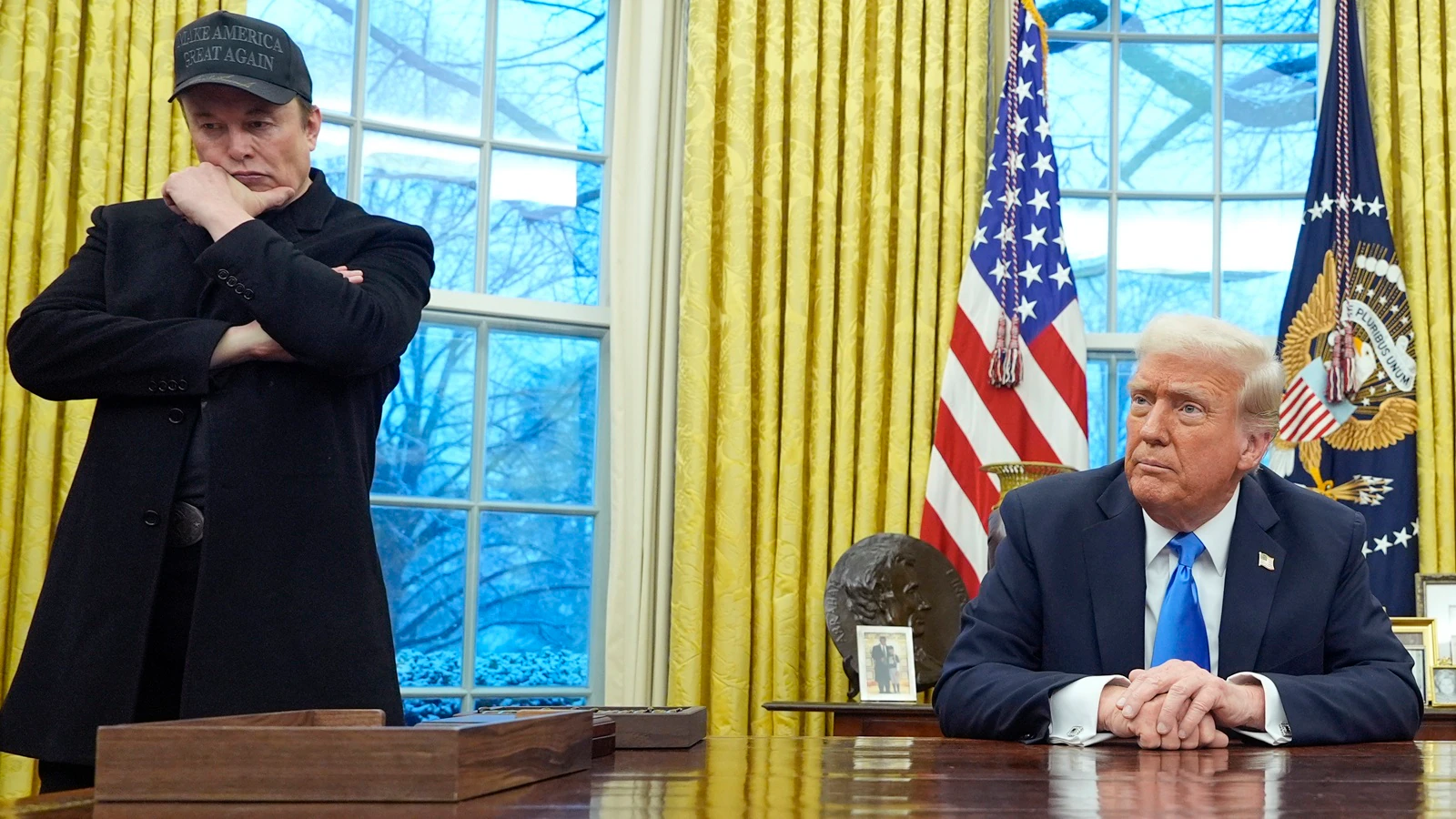
Economic headwinds intensified as the U.S. economy shrank for the first time since 2019, partly due to import surges ahead of tariff hikes under Trump’s trade policies.
A Reuters poll warned that these tariffs might tip the global economy into recession. Trade disputes and OPEC+ supply decisions are expected to further pressure oil prices, with Kpler revising its 2025 demand growth forecast downward to 640,000 bpd, citing U.S.-China tensions and weak Indian consumption.
In other developments, U.S. crude inventories unexpectedly fell by 2.7 million barrels last week, defying forecasts of a rise.
Analysts now project 2025 Brent averages at $68.98, down from March’s $72.94 estimate. Yulia Svyrydenko, Ukraine’s first deputy PM, is en route to Washington, underscoring ongoing geopolitical engagements.
WHAT YOU SHOULD KNOW
The stabilization of oil prices at $61 (Brent) and $58.09 (WTI) masks underlying tensions in the global oil market.
Saudi Arabia’s pivot away from supply cuts, OPEC+’s production hikes, and U.S. economic contraction driven by tariffs are creating a perfect storm of bearish pressures.
Weak demand forecasts, particularly in India and China, and U.S.-China trade tensions further darken the outlook.
The May 5 OPEC+ meeting will be a critical inflection point, determining whether prices slide further or not.
ALSO READ TOP STORIES FROM VERILY NEWS