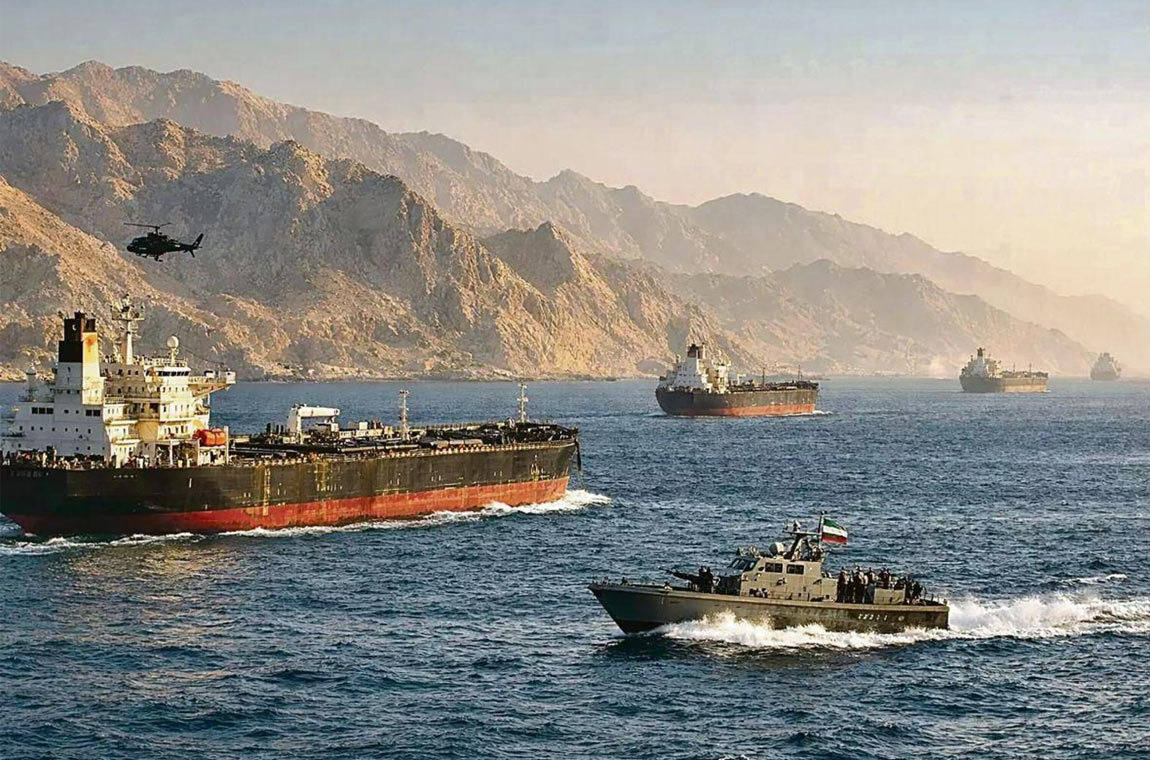
A fragile diplomatic push to ease the months-long crisis in the Strait of Hormuz unraveled over the weekend, as Iran and its Gulf neighbors called off a planned summit even as Tehran moved to tighten its grip on the strategic waterway with a sweeping new blacklist of foreign vessels.
Officials from Iran, Iraq, and Gulf Cooperation Council states with Bahrain notably absent had been due to gather Monday in the Omani port city of Salalah to discuss a proposal for restoring regular tanker traffic through Hormuz, a conversation that would have proceeded without direct US involvement.
But by Sunday night, the meeting was shelved. Omani Foreign Minister Badr Albusaidi announced the postponement in a post on X, citing the need to build broader consensus before substantive talks could resume, and said Muscat remains determined to promote dialogue that contributes to stability and lasting cooperation in the region.
Saudi Arabia was reportedly among the parties that asked for the delay, while Iran indicated it would keep pushing for a regionally endorsed arrangement regardless.
No new date has been set.
The diplomatic setback came alongside a fresh show of assertiveness from Tehran’s Persian Gulf Strait Authority, the body created to oversee passage requests through Hormuz.
The authority published an updated roster of 77 vessels it accuses of violating Iranian transit protocols, warning that the ships now face restrictions on future passage, including potential fines, detention, or outright confiscation.
In a statement posted to X, the authority went further, cautioning the maritime insurance industry against doing business with the blacklisted ships: it warned protection and indemnity clubs, insurers, and classification societies to refrain from servicing the vessels or risk consequences of their own.
Iran also signaled the list could grow, warning that any vessel found cooperating with a sanctioned ship risks being added to it as well.
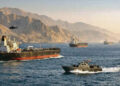
The developments unfolded as fresh attacks involving Iran, Yemen’s Houthi rebels, and Saudi Arabia stoked fresh alarm over shipping security through Hormuz, a chokepoint that carries roughly a fifth of the global oil supply. Oil prices jumped more than 2.5% on the news.
The strait has been under varying degrees of Iranian and, at times, US restriction for months, following the outbreak of a wider regional war earlier this year.
Iran has required vessels to seek permission before transiting and has floated the idea of imposing service fees, while non-compliant ships have periodically come under Iranian attack.
The US, for its part, has periodically struck the Iranian coastline and has deployed naval escorts reportedly guiding as many as 40 commercial vessels through on a single day, though officials concede the arrangement is difficult to sustain indefinitely.
With hundreds of vessels still backed up in the Gulf and insurers wary of the risk, Monday’s collapsed talks leave the waterway’s future no clearer—and Tehran’s blacklist suggests it intends to keep enforcing its own rules in the meantime.
WHAT YOU SHOULD KNOW
Diplomacy just took a step backward while Iran took a step forward on enforcement. The Salalah talks meant to ease restrictions on Hormuz one-fifth of the world’s oil supply, collapsed without a new date, even as Iran blacklisted 77 vessels and warned insurers off servicing them.
Until regional consensus is rebuilt, expect continued uncertainty for shipping, elevated oil prices, and Tehran retaining de facto control over who moves through the strait.