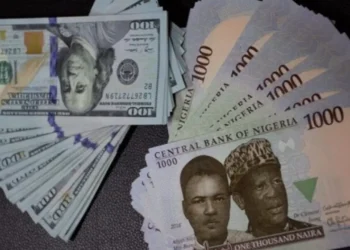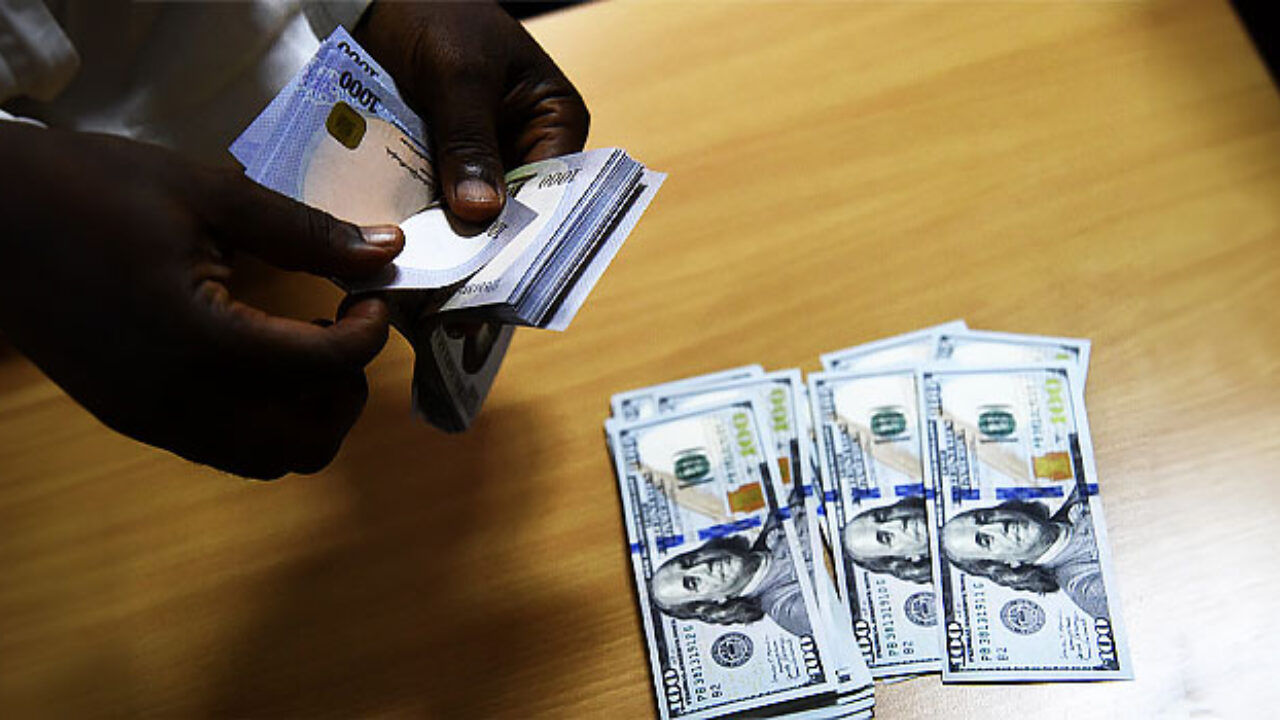
Nigeria’s currency market once again told two different stories on Wednesday, as the naira’s fortunes depended entirely on where and with whom a transaction was carried out.
In the parallel market, the informal network of bureaux de change and street dealers that millions of Nigerians rely on for everyday dollar needs, the greenback continued to command a premium north of ₦1,400.
Yet just a few kilometers away, in the regulated interbank window overseen by the Central Bank of Nigeria (CBN), the naira was posting a noticeably firmer performance.
The Nigerian Foreign Exchange Market (NFEM), the official platform through which banks and licensed dealers settle transactions, pegged the dollar at ₦1,329.43 in its most recent published figures, a rate widely treated as the country’s benchmark.
The official print puts the cost of $100 at roughly ₦132,943, a level that, on paper, suggests a naira in considerably better shape than the one traders were quoting informally.
Step outside the official window, however, and the picture changes sharply. Data tracked by Aboki Forex on Wednesday showed the dollar changing hands at around ₦1,400 on the buy side and ₦1,405 on the sell side.
NairaToday, another closely watched rate tracker, quoted the dollar even higher, at approximately ₦1,410. Separate figures compiled by NgnRates.com placed Wednesday’s black-market average at ₦1,405 sell and ₦1,395 buy broadly consistent with the other trackers, even as small differences between platforms underscored just how fragmented and locally negotiated these rates remain.
Reports from bureau de change operators and street dealers across Lagos, Abuja, Kano, and Port Harcourt indicated the parallel rate had climbed notably from the previous session, leaving the unofficial market trading at a premium of roughly 5 to 6 percent over the CBN’s official benchmark.
The spread between the two markets is not a new phenomenon in Nigeria’s foreign exchange history, but it remains a stubborn one. Analysts and currency traders routinely point to a handful of recurring drivers:
- Demand concentration. Individuals and small businesses who cannot access dollars through banks for school fees abroad, medical trips, or personal remittances often turn to street dealers, concentrating demand in a market with comparatively thin supply.
- Liquidity timing. Official rates reflect a volume-weighted average of completed interbank deals at a point in time; parallel rates adjust continuously through the day based on who walks into a BDC and how much foreign currency that dealer happens to be holding.
- Location and dealer-specific pricing. Rates in Lagos can differ from those quoted in Abuja or Port Harcourt, and even within the same city, individual dealers price based on their own inventory and risk appetite, a dynamic reflected in the scattered quotes seen across different rate trackers on Wednesday.
- Sentiment and speculation. Because the parallel market operates outside formal CBN oversight, it tends to react faster and sometimes more dramatically to rumours, policy signals, or shifts in confidence than the regulated window does.
For the average Nigerian, the practical consequence of this dual-rate system is straightforward but consequential: the price of a dollar depends heavily on where you go to buy one.
Someone able to route a transaction through the official banking channel benefits from a materially stronger rate than someone forced by convenience, urgency, or lack of access to buy from a street dealer.
Businesses that price imported goods off parallel-market costs, meanwhile, pass that premium on to consumers, feeding into the inflationary pressures that have shadowed the naira for several years.
Both windows remained live as trading continued through the day, with analysts cautioning that rates in the parallel segment in particular could move further before markets close.
The CBN has in recent months pointed to improved dollar liquidity and stronger external buffers as evidence of gradual stabilization in the official market, a narrative Wednesday’s NFEM print of ₦1,329.43 broadly supports.
Whether that stability eventually narrows the gap with the parallel market, however, remains the more difficult question and one that will likely take more than a single trading session to answer.
WHAT YOU SHOULD KNOW
Nigeria’s currency market is running on two tracks: an official rate of ₦1,329.43/$1 and a parallel-market rate above ₦1,400/$1, a gap of roughly 5–6%.
The key thing to know is that this isn’t a glitch; it’s structural: dollars are far easier and cheaper to get through official banking channels than through street dealers, so where you buy your dollars determines how much you pay, sometimes by ₦70–80 per dollar or more.