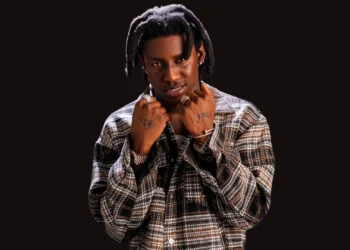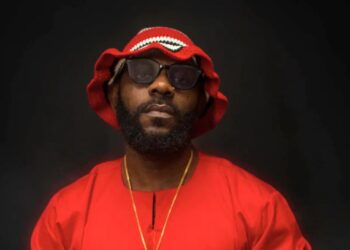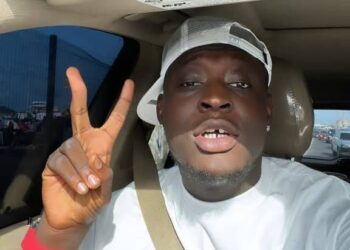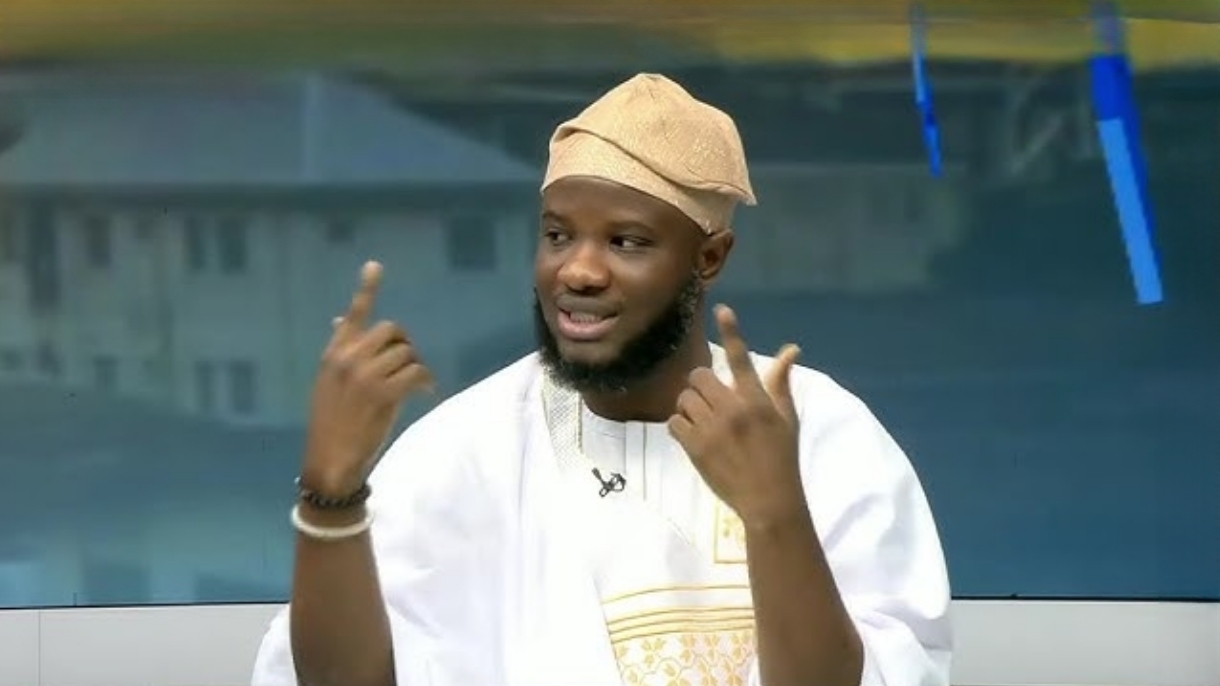
A fresh front has opened in Nigeria’s long-running “who gets arrested and who doesn’t” debate, and this time it isn’t VeryDarkMan doing the talking, it’s influencer DeeOne, and his target isn’t Villa or a rival online, but the man at the very top of the Nigeria Police Force.
Popular comedian Aderombi Adedayo Martins, known to millions as DeeOne, used an Instagram video posted on Tuesday to accuse Inspector-General of Police Tunji Disu of running interference for VeryDarkMan (real name Martins Vincent Otse), effectively insulating the activist from a fate that recently befell two other high-profile Nigerians: reality TV star Tacha and cryptocurrency figure Blord.
DeeOne’s argument rests on a simple equivalence test: what happened to Tacha and Blord should happen to VeryDarkMan too. According to his account, Tacha was picked up by police after twice failing to honour an invitation and was later granted bail.
Blord, he said, met a similarly swift fate arrested, arraigned, and, in a detail DeeOne clearly found galling, allegedly trailed to the correctional facility by the very person who had reported him to police.
VeryDarkMan, by contrast, has publicly and repeatedly said he has no intention of showing up. Two invitations have reportedly gone unanswered, DeeOne says, with no arrest following a discrepancy he frames not as bureaucratic delay but as deliberate favoritism from the top.
The police invitation stems from a string of allegations leveled against Assistant Inspector-General Jimoh Moshood. VeryDarkMan has since said publicly that he will not honour the summons, a defiance that, in DeeOne’s telling, should have triggered the same response the force gave Tacha and Blord.
DeeOne’s claim doesn’t emerge from nowhere. It arrives against a backdrop of reporting, including an exposé published by Sahara Reporters alleging a private meeting between IGP Disu and VeryDarkMan in Abuja, in which Disu was said to have instructed VeryDarkMan never to mention his name publicly while attacking activist Omoyele Sowore.
The report also claimed the police chief was wary of scrutiny over his age and how much longer he has left in office and viewed VeryDarkMan’s online campaign against Sowore as a convenient distraction from that pressure.
Whether or not that account is accurate, it has clearly shaped the narrative DeeOne is now amplifying to a much wider audience.
DeeOne didn’t mince words. He branded Disu “a useless man,” insisted that “what is good for a citizen is also good for all citizens,” and effectively accused the police boss of picking sides, asking pointedly whether Disu was “working for Nigerians or working for VeryDarkMan.”
He also invoked persistent rumours that a leadership change at the top of the force is imminent, warning Disu that “you cannot be in office forever.”
The comedian didn’t stop at policing. In a section laced with Pidgin for emphasis, he dared Disu to come after him too, insisted “nobody can bring DeeOne down,” and issued a pointed threat to VeryDarkMan personally, hinting at unspecified grievances he could air if pushed.
He closed with a promise of more videos and the suggestion that Disu’s own professional record could become fair game next.
As of Tuesday’s video, no arrest of VeryDarkMan had materialized, and the police force had not issued a public response to DeeOne’s allegations. The episode has nonetheless reignited a familiar conversation in Nigeria’s online sphere: whether influence and platform size shape how and whether the law gets applied.
With Tacha’s and Blord’s cases already fresh in public memory, DeeOne’s broadside has ensured that VeryDarkMan’s standoff with police won’t be fading from the timeline anytime soon.
WHAT YOU SHOULD KNOW
DeeOne’s real complaint isn’t really about DeeOne, Tacha, or Blord; it’s about fairness before the law.
He’s pointing to a pattern where two Nigerians (Tacha and Blord) were swiftly arrested for ignoring police invitations, while VeryDarkMan, despite doing the same twice and openly, remains untouched, with the finger pointed squarely at IGP Tunji Disu for shielding him.
Whether or not the allegation of favoritism holds up, the episode spotlights a bigger public concern: that in Nigeria, how the law is enforced can depend less on what you did and more on who you are.