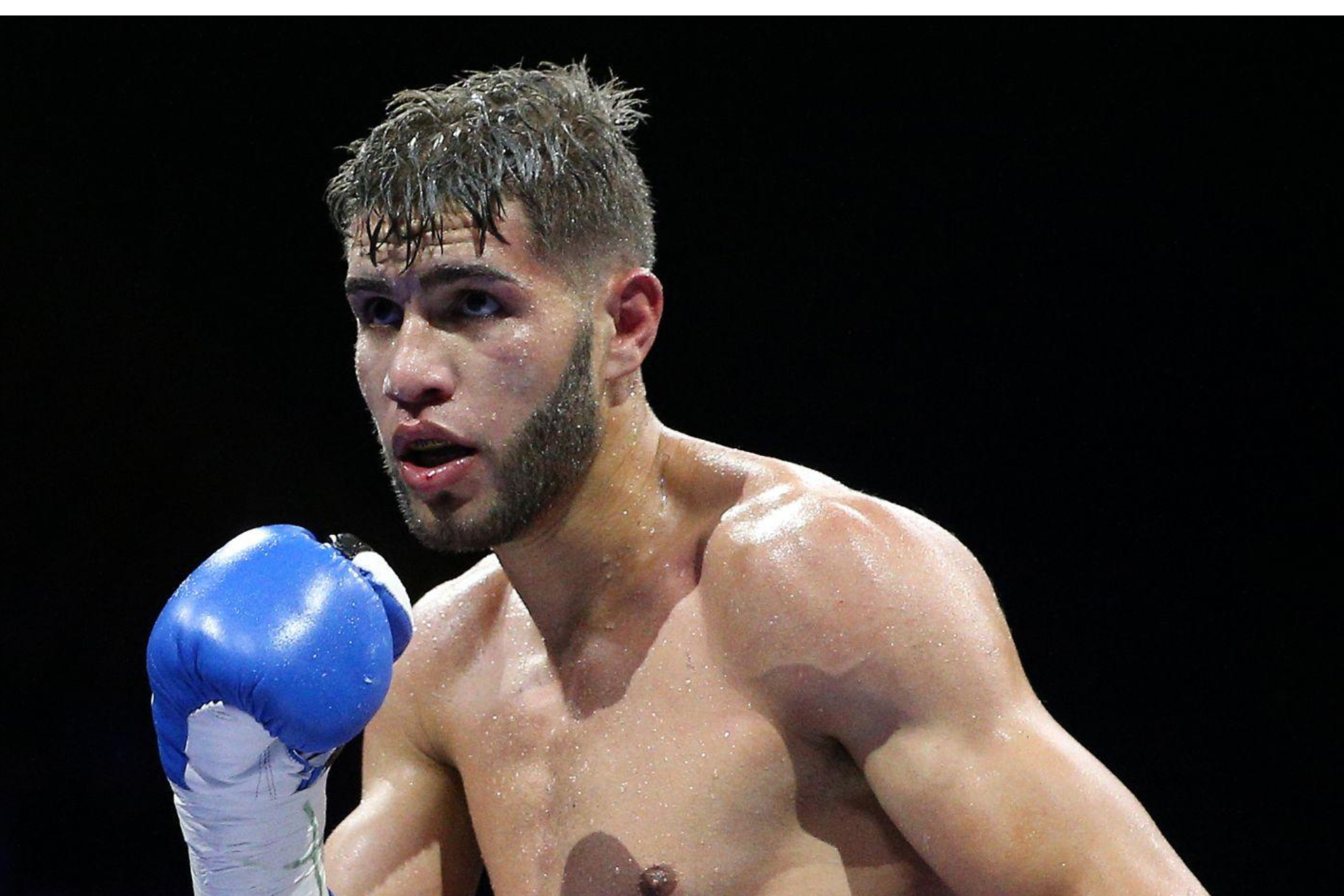
Prichard Colón, once considered one of boxing’s brightest young talents, has died at age 33, nearly eleven years after a brutal encounter in the ring left him unable to walk, speak, or ever fully wake to the world he once dominated as an unbeaten prospect.
The Puerto Rican fighter’s father and longtime trainer, Richard Colón, broke the news Thursday in a Facebook post written in Spanish, telling followers that his son had passed into “a better place.”
The elder Colón added that he had tried everything to grant his son one final wish: a trip home to Puerto Rico, but circumstances never allowed it. He closed by thanking well-wishers for years of support and asking that the family remain in people’s prayers.
Before the injury that would come to define and end his life, Colón was building the kind of résumé that turns prospects into champions. Born September 19, 1992, in Maitland, Florida, he first made his name as an amateur, capturing gold at the 2010 Pan American Youth Championship before turning professional and reeling off an unblemished record many observers believed was headed for a world title shot.
That trajectory was shattered on October 17, 2015, at EagleBank Arena in Fairfax, Virginia, when the then-23-year-old Colón squared off against American fighter Terrel Williams.
According to accounts of the bout, Colón repeatedly complained about Williams landing blows to the back of his head, and Williams was docked a point for rabbit punching. Colón began suffering dizziness and vomiting after the fight and was rushed to the hospital for emergency surgery.
The damage was catastrophic. Doctors discovered a subdural hematoma, and what followed was a coma lasting 221 days. When Colón eventually emerged from it, he never regained the ability to walk or talk, spending the remainder of his life under the round-the-clock care of his family.
Colón’s injury did not fade quietly from boxing’s collective memory it reshaped the sport’s rules. In 2016, the World Boxing Council introduced what became known as the Prichard Colón Rule, instituting zero tolerance for blows to the back of the head, the very infraction that preceded his collapse.
The circumstances of the fight also drew regulatory scrutiny. Virginia’s Department of Professional and Occupational Regulation investigated the bout, and in 2017, Colón’s parents pursued a $50 million lawsuit against the ringside physician and promoters connected to the event, arguing that the fight should never have been allowed to continue.
Even confined to a hospital bed, Colón became something of a symbol of resilience. His family shared glimpses of his recovery on social media over the years, moments of him smiling, undergoing physical therapy, and even dancing with his mother, turning what might have been a private tragedy into a public testament to endurance.
Tributes poured in following news of his death. The World Boxing Organization wrote that Colón’s courage and fighting spirit transcended the ring, calling his ordeal a testament to resilience and his family’s unwavering love.
His exact cause of death has not been disclosed.
Colón leaves behind a professional record of 16 wins against a single loss, 13 by knockout, a career statistically frozen in time, but one whose final, unintended legacy continues to protect fighters who step into the ring today.
WHAT YOU SHOULD KNOW
Prichard Colón’s death at 33 closes an eleven-year chapter that began with a single, preventable act of violence in the ring: repeated illegal blows to the back of the head. What people should take away most is this his tragedy wasn’t just personal; it was consequential.
It forced boxing to confront a gap in its safety enforcement and led directly to the WBC’s zero-tolerance rule on rabbit punches, a reform now protecting fighters who never knew his name.
Colón’s life ended far too soon, but the rule that bears his name means his suffering changed the sport for good.