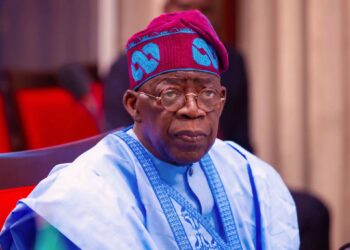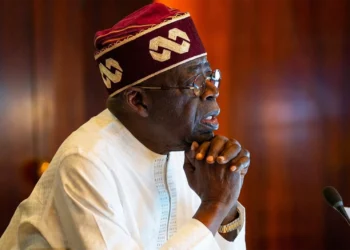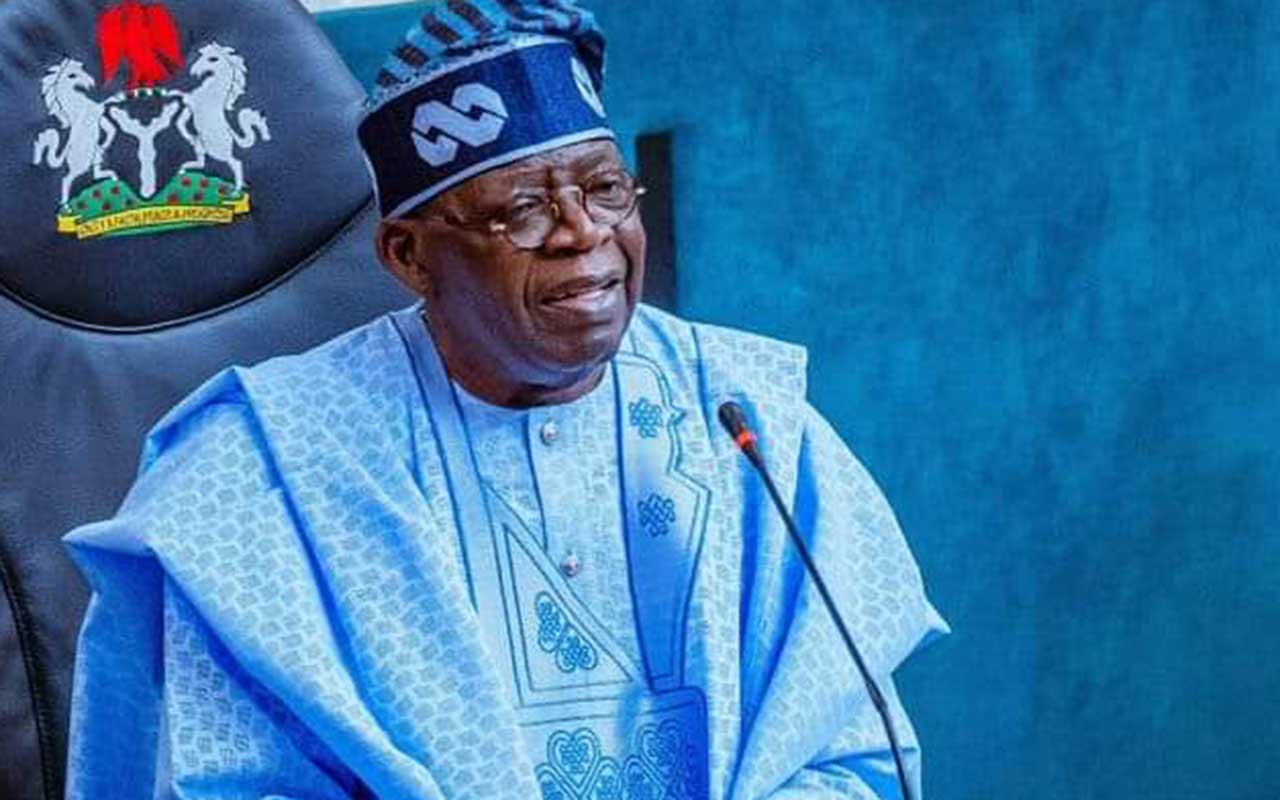
President Bola Tinubu on Friday made a personal appeal to Nigerian doctors abroad to return home and help rebuild the country’s health sector, promising his administration would make the move worthwhile.
The president appealed to the State House in Abuja while receiving a delegation of the Nigerians in Diaspora Medical Associations Worldwide, led by the chief executive officer of the Nigerians in Diaspora Commission, Abike Dabiri-Erewa.
The audience formed part of activities marking the 2026 National Diaspora Day Celebration, an annual event that has increasingly become a platform for the government to court skilled Nigerians abroad.
Rather than framing the request purely in policy terms, Tinubu leaned on his own biography. Long before politics, he worked with the professional services firm Deloitte and Touche and later with oil giant Mobil abroad before deciding to return to Nigeria, a decision he told the delegation he has never regretted.
It was that lived experience, he suggested, that qualified him to speak candidly to a room full of professionals wrestling with the same choice he once faced. “There’s nowhere like home,” he told them, describing his own homecoming as a journey he understood intimately.
The president did not shy away from naming the problem plainly: Nigeria is losing its best medical minds to brain drain, a hemorrhage of talent that has left hospitals understaffed and stretched thin even as demand for care grows.
He described reversing that trend as one of the central objectives of his Renewed Hope Agenda, arguing that the country cannot build a resilient, globally competitive health system without the knowledge, innovation, and experience its professionals have accumulated overseas.
But acknowledging the problem was only half of Tinubu’s message. The other half was a pledge that government would not simply ask for sacrifice without offering something in return.
He committed to sustained investment in medical education, expanded research capacity, modernized digital health infrastructure, and improved welfare policies for healthcare workers, framing these as the practical scaffolding needed to make a return home genuinely worthwhile rather than a patriotic gesture made at personal cost.
He tied this commitment to a broader vision of national transformation, suggesting that the professionals in the room were not just being asked to fill staffing gaps but to help lay a foundation their own children would one day inherit.
Progress in healthcare, education, and general development, he argued, was inseparable from the wider promise of the Renewed Hope Agenda: a better, more hospitable Nigeria that could hold its own on the continent.
The president also used the occasion to commend the delegation for medical outreach missions it has already conducted publicly across Nigeria’s geopolitical zones the North-East, North-West, South-East, South-West, and beyond, describing the diaspora doctors’ willingness to work in some of the country’s most underserved regions as proof of a deeper commitment that went beyond rhetoric.
Having witnessed healthcare systems on “the other side of the world,” he said, many of them had chosen to come back and confront Nigeria’s challenges directly, calling the country, in his words, “the heart of Africa.”
For Dabiri-Erewa and the Diaspora Commission, the meeting adds fresh momentum to a long-running effort to formalize channels through which Nigerian professionals abroad can contribute to nation-building, whether through short-term outreach, permanent relocation, or hybrid arrangements that draw on their expertise without requiring a full return.
Whether Friday’s pledges translate into the funding, infrastructure, and working conditions needed actually to reverse the brain drain remains the test the administration will be judged against in the months ahead.
WHAT YOU SHOULD KNOW
President Tinubu’s appeal to diaspora doctors boils down to one central trade-off: he’s asking Nigerian healthcare professionals abroad to come home and rebuild the health sector while promising the government will invest in medical education, digital health infrastructure, and better welfare conditions to make that return sustainable, not just symbolic.
This isn’t a one-sided ask; it’s framed as a mutual commitment, with Tinubu using his own experience of returning from working abroad to lend it personal credibility. Ultimately, whether this initiative succeeds will depend less on the appeal itself and more on whether these promised investments actually materialize.