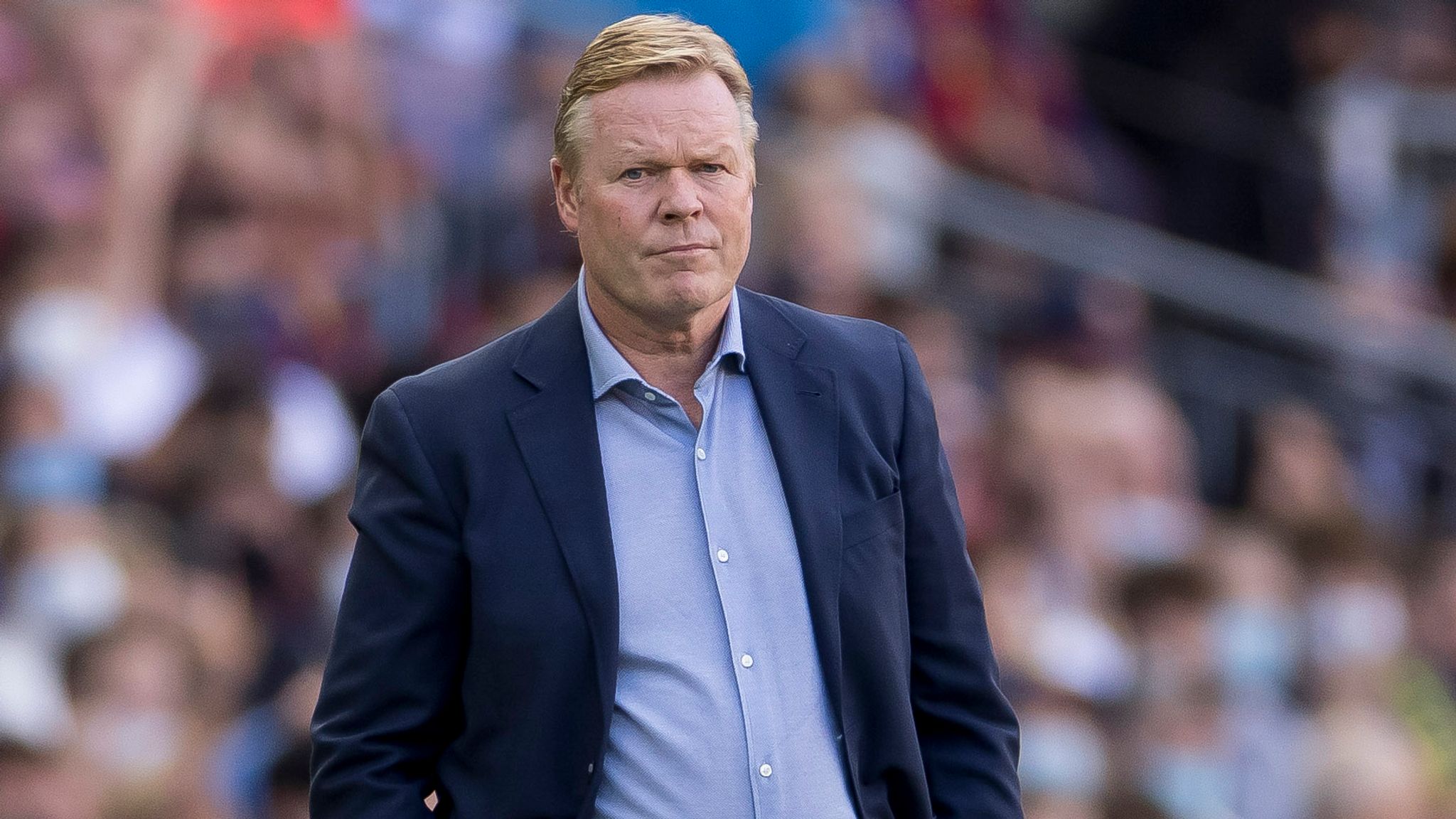
Ronald Koeman’s second spell in charge of the Netherlands has come to an abrupt and emotional end, closing the book on a tenure that began with high hopes of ending the country’s long wait for a first World Cup title and finished instead with the earliest exit in Dutch World Cup history.
The 63-year-old announced his resignation a day after his side’s penalty-shootout defeat to Morocco in the round of 32, a match the Dutch appeared to have won until a first-half goal from Cody Gakpo was cancelled out by a stoppage-time equalizer from Morocco’s Issa Diop.
Neither side could find a winner through extra time, and Koeman’s team faltered in the shootout, missing two spot kicks and having another saved.
Much of the post-match fallout has centered on Koeman’s team selection. Having played expansive, attacking football through the group stage, he switched to a back five against Morocco, abandoning the Dutch tradition of total football, a change that left observers, including Thierry Henry, bewildered.
Former Netherlands international Zlatan Ibrahimović was among the most vocal critics, arguing that the team had lost sight of its own identity by playing against type.
Koeman, for his part, was unrepentant in the immediate aftermath, defending the approach as pragmatic against superior opposition, even while acknowledging he would take the blame for how it ended.
But beyond the tactical inquest, Koeman’s resignation letter posted to Instagram struck a far more personal note. He said the decision to leave, taken the night before the announcement, was rooted not just in the disappointment of the exit but in a broader reassessment of priorities driven by his wife Bartina’s ongoing illness.
He described football as having been his life but said health carries no price and credited his wife’s steady encouragement for helping him see out his coaching duties despite her own struggles, a tribute he said words could barely capture.
He also used the statement to thank his players, coaching staff, the Dutch football association (KNVB), and, above all, the supporters who stood by the team through difficult stretches, calling it an honor to have represented the Oranje as head coach.
He closed by acknowledging the campaign fell short of the World Cup he had dreamed of delivering, saying pride ultimately outweighed disappointment when he looked back on his career in the game.
This marks the second time Koeman has left the Dutch job before completing a natural cycle. He first took charge in 2018, only to depart abruptly in 2020 for Barcelona.
He returned in 2023, succeeding Louis van Gaal after the Netherlands’ quarter-final finish at the 2022 Qatar World Cup, and went on to guide the side to the semi-finals of Euro 2024. He leaves as the second-most capped manager in Dutch national team history, with 64 games in charge, behind only Bob Glendenning.
Koeman’s departure fits a pattern already emerging at this World Cup. He is the fourth head coach of an eliminated side to step down, following Czechia’s Miroslav Koubek, Scotland’s Steve Clarke, and South Korea’s Hong Myung-bo.
Scotland’s exit came at the group stage in what was their first finals appearance in 28 years, while Hong’s South Korea failed to advance from the group phase for a second time under his watch, prompting him to apologize to supporters.
Tunisia’s Sabri Lamouchi was dismissed rather than resigning, becoming the first coach sacked after just a single match of this tournament.
Dutch football association technical director Nigel de Jong struck a sober tone in assessing the campaign, noting that the ambition had been nothing short of a world title and that the team fell well short of even the more modest target of the semi-finals.
The KNVB must now launch a search for a successor to rebuild the squad ahead of Euro 2028, with question marks also hanging over senior players. Captain Virgil van Dijk admitted after the Morocco defeat that he could not yet think clearly about his own international future.
For now, though, the story is Koeman’s decorated career as both player and coach spanning Ajax, Barcelona, Feyenoord, Everton, Southampton, and two spells with his national team is ending not with the trophy he craved, but with a quiet, personal decision to put family first.
WHAT YOU SHOULD KNOW
Ronald Koeman’s resignation as Netherlands coach was driven by two intertwined factors: a heavily criticized tactical decision that ended a promising World Cup run and, more importantly, a personal choice to prioritize his ailing wife Bartina’s health over his football career.
While the tactical fallout dominated headlines, it’s the quiet act of a man stepping away from his life’s work to care for a loved one that stands as the real heart of this story.