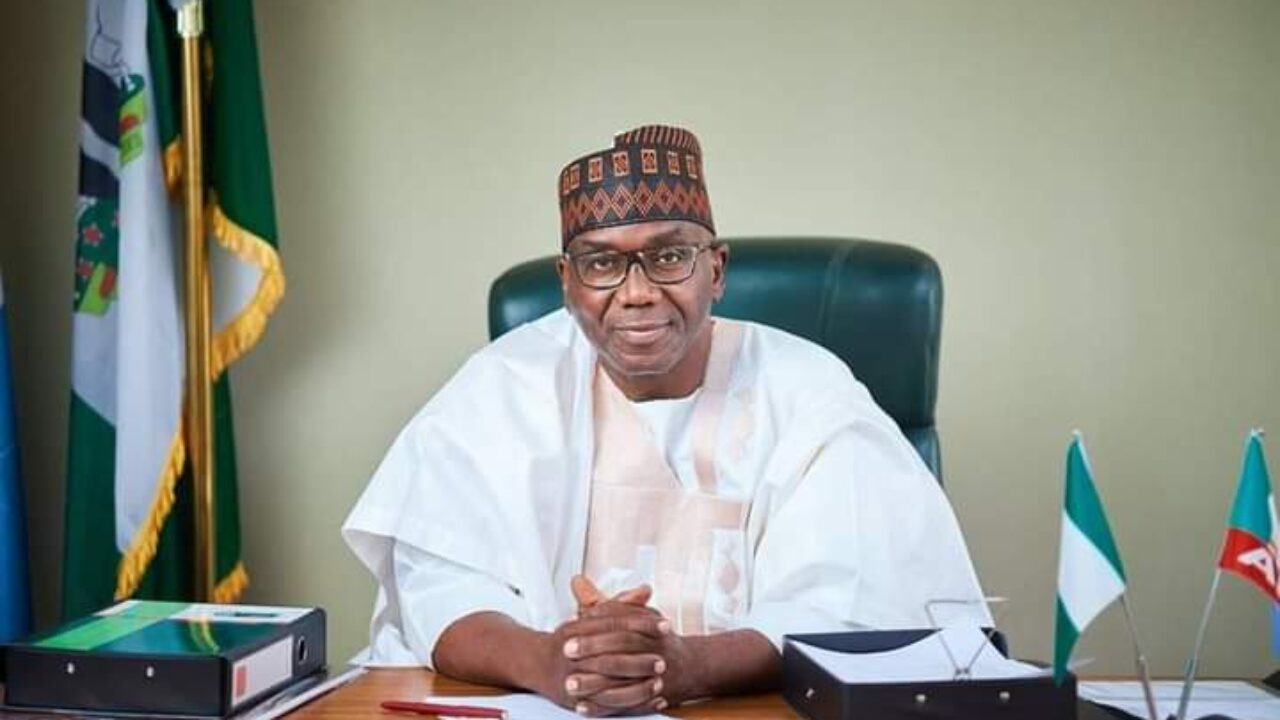
The Kwara State governor, AbdulRahman AbdulRazaq, has relieved his entire advisory corps of their appointments, including some of his closest aides, in what officials are describing as a routine but significant cabinet shake-up.
The mass exit, confirmed in an official statement released on Monday by the governor’s deputy chief press secretary, Mashood Agboola, affects special advisers, advisers, senior special assistants, and special assistants across the board.
Notably caught in the sweeping net are two of the most pivotal figures in the governor’s inner circle: the deputy chief of staff and the principal private secretary, signaling that no position, however senior or trusted, was immune from the reorganization.
The official line from the Government House frames the development as a measured and deliberate move to “extend opportunities to more party members and inject fresh energy into the administration,” language that political observers in the state will no doubt scrutinize.
For a sitting governor to simultaneously remove not just peripheral aides but also his deputy chief of staff and principal private secretary, two figures who manage the day-to-day mechanics of executive governance and serve as gatekeepers to the governor himself, suggests a reshuffle of considerably greater consequence than the phrase “minor cabinet shake-up” implies.
Political analysts familiar with North-Central Nigerian governance dynamics would note that such a sweeping clean-out of the advisory apparatus often signals one of several things: a recalibration of political alliances ahead of future electoral cycles, dissatisfaction with the pace or direction of policy delivery, or the calculated need to reward a broader network of party loyalists who have long awaited their turn at the table.
Governor AbdulRazaq, through the statement, struck a conciliatory tone toward the departing officials, expressing gratitude for what he described as their “priceless service” to Kwara State and extending his best wishes to each of them in their future endeavors.
The diplomatic language is standard for such announcements, though it offers little comfort to those who now find themselves on the outside of Government House.
In keeping with due process, the Governor has directed all affected appointees to immediately hand over any government property in their custody to the Office of the Secretary to the State Government, an instruction that underscores the administration’s intent to ensure a clean, accountable transition as new faces are ushered in.
As of the time of this report, the Governor had not announced replacement appointments, leaving several key advisory roles temporarily vacant.
The identities of incoming appointees and, crucially, which factions of the ruling All Progressives Congress (APC) in Kwara they represent will be closely watched as a barometer of the governor’s political priorities in the months ahead.
For the hundreds of political associates and party faithful who have long lobbied for inclusion in the AbdulRazaq administration, Monday’s announcement may well be the opening they have been waiting for.
For the outgoing aides, many of whom staked their careers and reputations on their principal’s vision, the handshake comes without warning, a reminder that in the theater of political appointments, loyalty and tenure offer no guaranteed shelter from the next reshuffle.
WHAT YOU SHOULD KNOW
Kwara State Governor AbdulRahman AbdulRazaq has conducted a sweeping cabinet reshuffle, dismissing all advisers and key aides, including his Deputy Chief of Staff and Principal Private Secretary.
While officially framed as a routine shake-up to “inject fresh energy” and broaden opportunities within the party, the scale of the purge tells a different story.
At its core, this is a calculated political realignment, one designed to redistribute power, reward loyal party members, and reposition the administration ahead of future political contests. The real picture will only become clear when replacement appointments are announced.