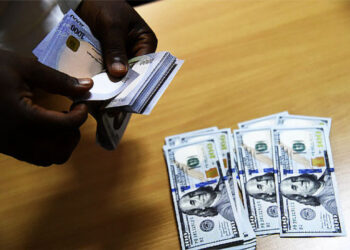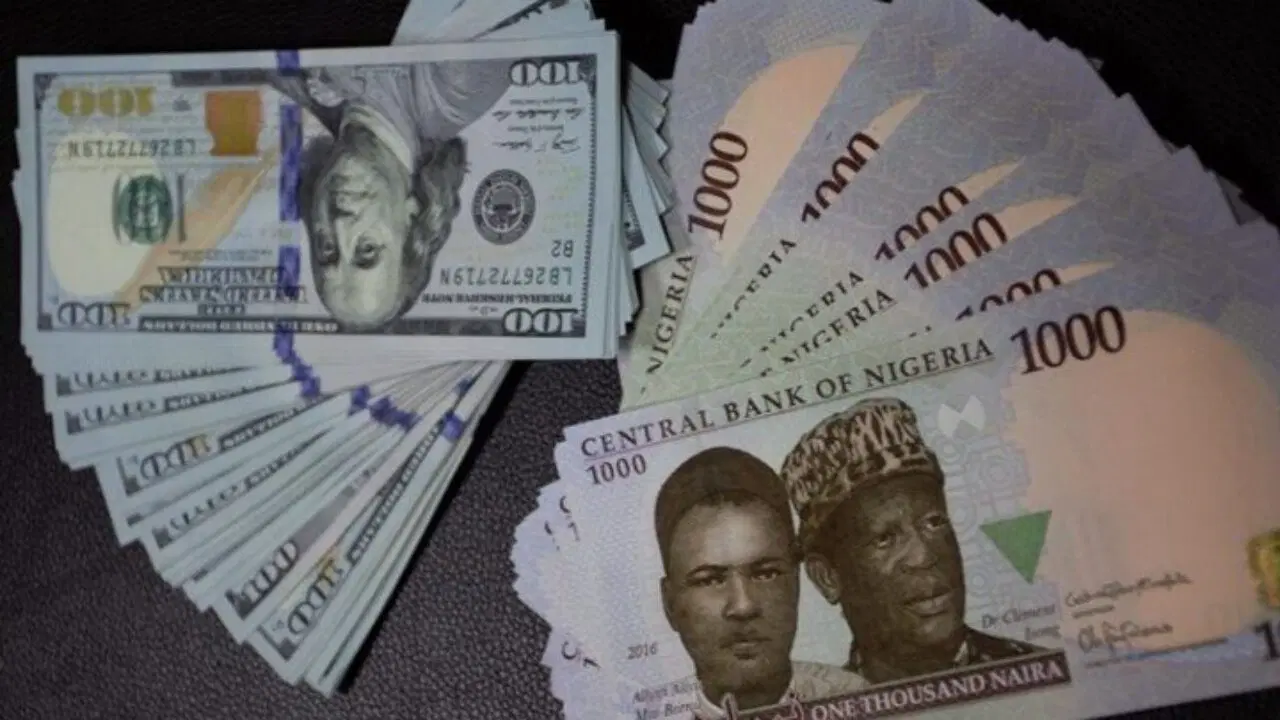
The naira held steady on Tuesday at ₦1,366.41 per dollar at the official NFEM window, buoyed by CBN policy interventions and consistent foreign portfolio inflows.
The figure, derived from the volume-weighted average of transactions processed through the official market and published by the Central Bank of Nigeria (CBN), places the naira comfortably within the ₦1,350–₦1,370 band it has occupied for several weeks, a range that analysts say reflects a measure of stability not seen in the currency in some time.
Despite the relative calm at the official window, a familiar divergence persists between the regulated market and the streets. In the parallel market popularly known as the black market, the dollar was changing hands at around ₦1,400 for buyers, with sellers quoting between ₦1,410 and ₦1,420, depending on location and the discretion of individual dealers.
The arithmetic tells its own story. A traveler or businessman exchanging $100 at the NFEM official rate would receive roughly ₦136,641. That same $100 transaction in the parallel market, however, could yield anywhere between ₦141,000 and ₦142,000, a premium of as much as ₦5,000, or approximately 3.5 percent above the official rate.
That gap, while narrower than the historically wide spreads that plagued Nigeria’s dual exchange rate era, remains a point of concern for economists who argue that a truly unified and functional forex market should see minimal divergence between official and street rates.
Currency traders on the ground report that demand for the greenback has remained steady across the board, driven by importers restocking goods, businesses settling international invoices, and travelers, both students and tourists, seeking foreign exchange ahead of summer. Yet, the naira has managed to hold its ground.
The relative stability, traders and market watchers say, is being underwritten by a combination of factors: improved liquidity in the official market, consistent foreign portfolio investment flowing into Nigerian treasury bills and other local assets, and a cautiously optimistic sentiment among investors who appear to be rewarding the CBN’s commitment to a more transparent, market-reflective exchange rate framework.
“There’s been more dollars coming in through the official channels, and that’s helping to absorb some of the demand pressure,” one Lagos-based currency trader told this correspondent. “The market is not perfect, but it is more predictable than it was a year ago.”
Still, seasoned analysts are careful not to declare victory. The naira’s recent stretch of calm, they warn, remains vulnerable to a host of external and domestic variables.
Chief among these is the price of crude oil on global markets, Nigeria’s primary source of foreign exchange earnings, which has shown renewed volatility in recent months amid shifting demand forecasts and OPEC+ production dynamics.
Domestically, inflationary pressures, fiscal policy decisions, and the pace at which the CBN can continue to attract and retain foreign capital will all play pivotal roles in determining whether the current rate band holds in the weeks ahead.
“What we’re seeing is encouraging, but it is fragile,” one Lagos-based financial analyst noted. “Any significant shock to oil revenues or a reversal in portfolio flows could quickly undo the progress that has been made. The fundamentals still require close attention.”
Tuesday’s exchange rate data comes against the backdrop of Nigeria’s ongoing efforts to rebuild confidence in its foreign exchange market following years of policy uncertainty, multiple exchange rate windows, and acute dollar shortages that strangled businesses and rattled investors.
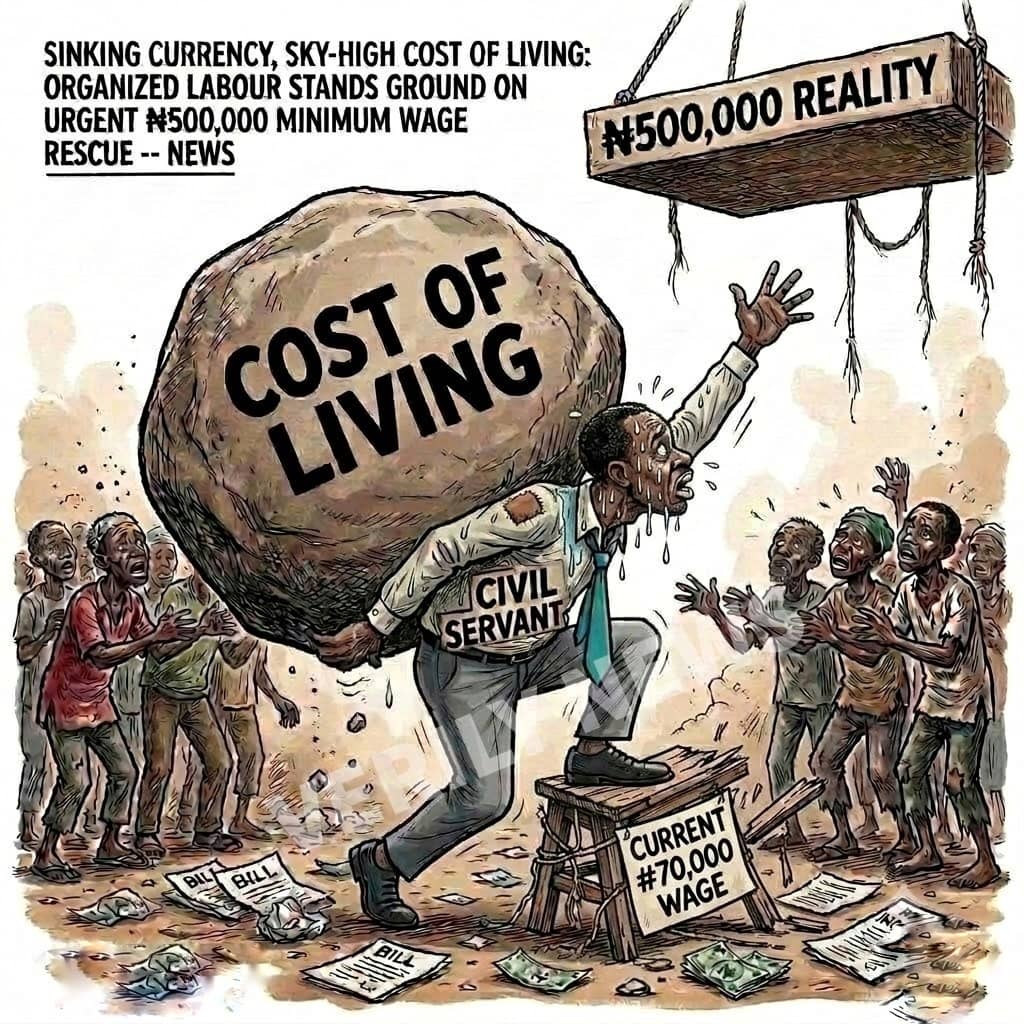
The CBN’s pivot to a more unified, market-determined rate set in motion in 2023 has been credited with drawing renewed interest from foreign investors, even as ordinary Nigerians continue to feel the pinch of elevated prices for imported goods, fuel, and everyday commodities, many of which are priced in dollars upstream.
For now, the naira appears to be navigating a delicate equilibrium. Whether that balance holds will depend, as it always has in Nigeria, on the interplay between policy resolve, global commodity markets, and the enduring ingenuity of a currency market that has survived far worse.
WHAT YOU SHOULD KNOW
The naira is holding steady at around ₦1,366 to the dollar at the official market, supported by improved liquidity and growing investor confidence, but a near 4% gap with the parallel market rate tells you the currency is not yet out of the woods.
With global oil prices, foreign inflows, and domestic economic pressures all capable of disrupting the current calm at any moment, the stability Nigerians are seeing today is real but remains fragile.
Watch the oil market, it remains the single biggest wildcard for the naira’s fate.