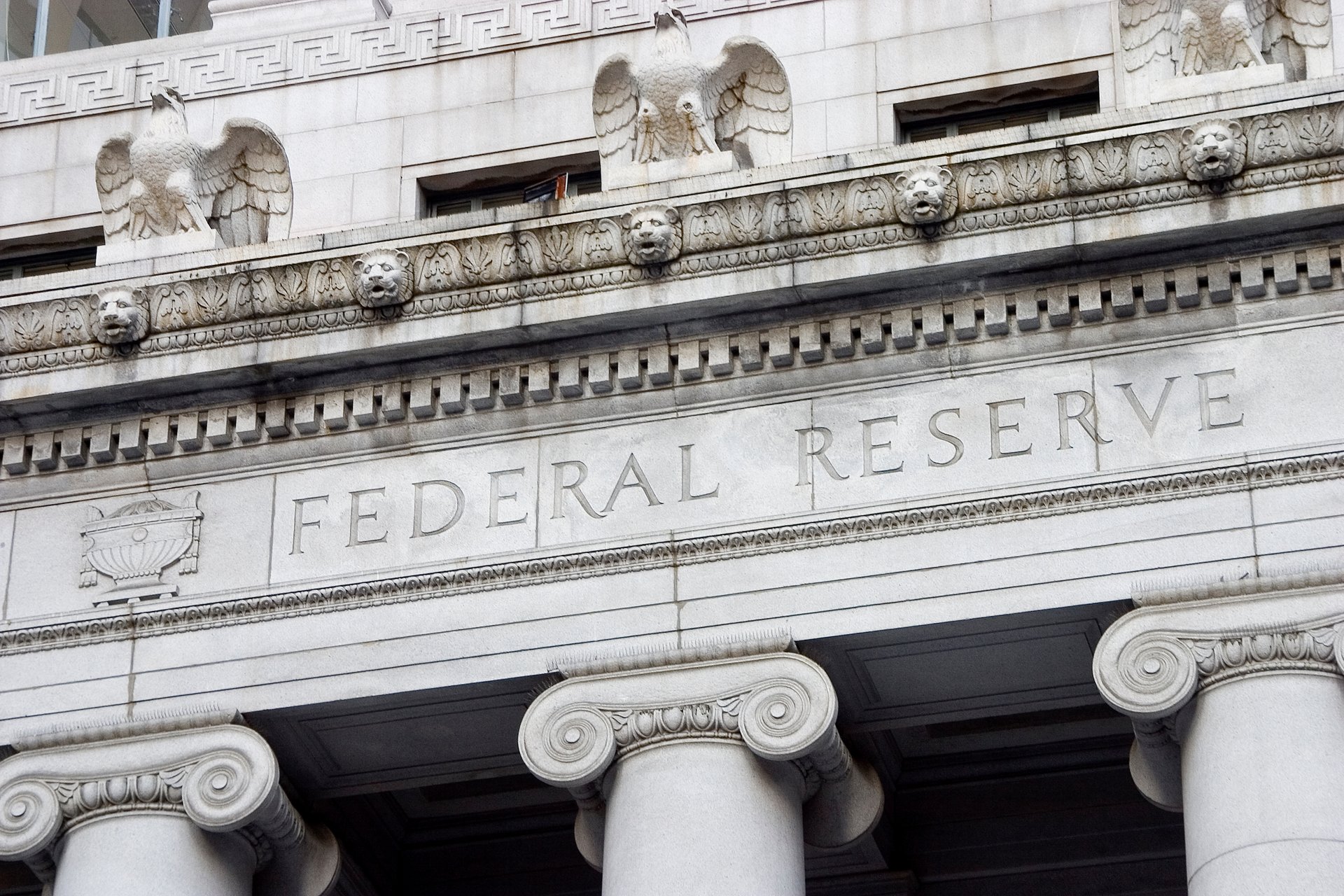
The Federal Reserve held its benchmark interest rate unchanged for the fourth consecutive meeting on Wednesday, but the real story emerging from the central bank’s latest gathering wasn’t the pause; it was the unmistakable pivot toward tighter policy ahead.
The Federal Open Market Committee voted unanimously to keep its overnight borrowing rate anchored in a range of 3.5% to 3.75%. The hold was widely anticipated. What markets were not fully prepared for was the hawkish tone that followed.
The meeting marked a watershed moment in American monetary policy: it was new Federal Reserve Chairman Kevin Warsh’s first meeting at the helm, and he wasted no time making his presence felt. The Fed’s policy statement was revamped to be dramatically shorter and stripped of key language that had previously signaled a bias toward future rate cuts.
The message to markets was clear: the era of easy money is over, and the next move may well be up.
The Fed’s prolonged pause reflects an uncomfortable reality: inflation remains stubbornly elevated, complicating the path back to the central bank’s 2% target. New economic projections show PCE inflation revised sharply higher to 3.6% for 2026, up from a prior forecast of 2.7%, while the 2027 outlook was also raised to 3.3% from 2.7%.
Policymakers noted that economic activity is expanding at a solid pace despite elevated uncertainty, partly owing to the ongoing conflict in the Middle East.
The Fed’s own internal projections now lean toward tightening. The “dot plot,” the anonymous grid of officials’ rate forecasts, erased an earlier projection for one cut this year and pushed any potential reductions into 2027 and 2028, with a median funds rate estimate of 3.8% by year-end, suggesting a rate hike is firmly on the table.
Warsh, a Trump appointee and former Fed governor, arrived at the central bank amid expectations he would steer policy toward rate cuts. That assumption has been upended.
President Trump, who has previously pressured the Fed to lower borrowing costs and joked he would sue if rates didn’t fall, appeared to strike a conciliatory tone on Wednesday. “We have a very good guy over there now,” Trump told reporters in Paris. “So I’m guided by what he wants.”
In a notable break from tradition, Warsh declined to submit his own rate forecast to the dot plot, saying he did not find it helpful in the conduct of policy, and announced he would form task forces to overhaul major Fed operations, including a review of press conferences, meeting minutes, and communications more broadly.
Wall Street did not take the hawkish signals well. Stocks fell in the final hour of trading, with the Dow shedding 410 points, the S&P 500 dropping over 1%, and the Nasdaq slipping by the same margin. Two-year Treasury yields, which track expectations for Fed rate moves, jumped 14 basis points, trading near their highest level in more than a year.
In the wake of the decision and Warsh’s remarks, traders began pricing in a possible rate hike as early as October.
For now, the Fed’s patient stance buys policymakers time. But with inflation running hot, a divided committee, and a new chairman charting an uncertain course, the only thing clear about the road ahead is that it will not be smooth.
WHAT YOU SHOULD KNOW
The Federal Reserve held interest rates steady for the fourth consecutive time, but don’t mistake patience for comfort. Inflation is running well above target at 3.6%, and the Fed’s own officials are now signaling that the next move could be a hike, not a cut.
New Chairman Kevin Warsh is reshaping the institution’s direction, and markets are already bracing for tighter times ahead. The era of falling rates appears to be over. Borrowing costs are unlikely to ease anytime soon and may yet climb higher before the year is out.