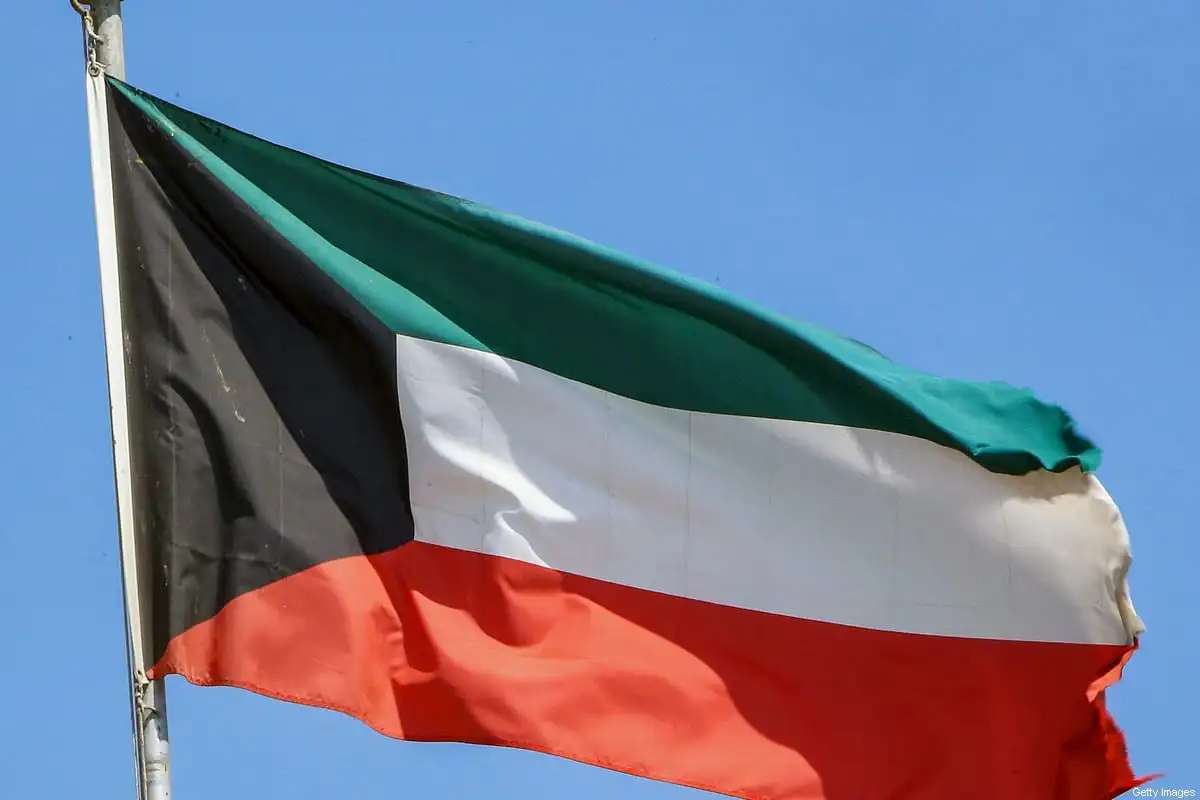
Kuwait has moved decisively to overhaul its domestic labor recruitment framework, barring workers from 27 countries while narrowing its list of approved source nations to just ten.
The move, formalized in a circular issued by Kuwait’s Ministry of Interior, has sent shockwaves through labor-exporting nations, particularly in sub-Saharan Africa, and raised urgent questions about the future of thousands of workers who have long depended on Gulf employment for their livelihoods.
The circular, issued by Kuwait’s Ministry of Interior, outlines revised procedures governing the recruitment of domestic workers, updating the list of approved source countries while restricting recruitment from several others.
According to the notice, the decision followed assessments and recommendations from the Ministry of Foreign Affairs, the Ministry of Health, and the Public Authority for Manpower.
The complete restricted list of 27 countries at a glance:
Asian nations
Madagascar
Bhutan
African nations:
Kenya, Uganda, Nigeria, Togo, Malawi, Chad, Djibouti, Niger, Guinea, Guinea-Bissau, Cabo Verde, Sierra Leone, Liberia, Mali, Burkina Faso, Gambia, Cameroon, Equatorial Guinea, the Central African Republic, the Republic of the Congo, the Democratic Republic of the Congo, Rwanda, Burundi, and Angola.
The sheer breadth of the ban is striking. From the sun-baked shores of Cape Verde in West Africa to the dense rainforests of the Democratic Republic of the Congo and from the highlands of Rwanda to the oil-rich coast of Angola, the policy sweeps across virtually every sub-region of the African continent.
For some countries on the list, the restrictions apply only to female domestic workers, while the recruitment of male workers remains permitted.
While the ban casts a wide net, Kuwait has simultaneously defined a narrow corridor through which recruitment may continue. Under the new directive, domestic workers can now be recruited only from South Africa, Benin, Eritrea, Ethiopia, the Philippines, Sri Lanka, India, Vietnam, Nepal, and Senegal, with recruitment from Senegal limited to male domestic workers only. Recruitment procedures will be managed through the country’s governorates.
The inclusion of South Africa, Benin, Eritrea, and Ethiopia on the approved list signals that Kuwait has not shut its doors to Africa entirely, but the welcome mat is now extended to a far smaller portion of the continent than before.
Among the hardest-hit nations is Kenya, whose government has in recent years aggressively pursued a policy of exporting labor to the Gulf as a strategy for economic relief and foreign remittance income.
Close to 3,500 Kenyans are currently working in Kuwait, according to data from the Ministry of Foreign and Diaspora Affairs. The move comes even as the Kenyan government continues to promote labor export, with more than 100,000 Kenyans currently working abroad in different fields, including domestic work and construction.
For Kenyan workers already in Kuwait under existing contracts, the situation remains unclear. Typically, such bans apply to new recruitment rather than the renewal of existing contracts, but workers and agencies have been advised to seek clarification from Kuwaiti authorities and the Kenyan embassy.
The ban reflects broader trends in Gulf labor markets, where countries are increasingly regulating recruitment to address concerns about worker exploitation, human trafficking, and compliance with health and safety standards.
Officials noted that the updated policy also takes into account diplomatic and administrative factors, as some listed countries have representation in Kuwait while others do not, a detail that hints at the complex geopolitical calculus behind what may appear, on the surface, to be a straightforward administrative decision.
The circular has been distributed to residency affairs departments and service centers across Kuwait and came into effect following its recent update.
For the governments of the 27 affected nations and for the hundreds of thousands of aspiring workers who had looked to Kuwait as a pathway to economic opportunity, the message from Kuwait City is unmistakable: the door, for now, is firmly shut.
WHAT YOU SHOULD KNOW
Kuwait has fundamentally restructured its domestic labor recruitment system, banning workers from 27 countries, 25 of them African, while approving only 10 source nations.
The decision, driven by recommendations from Kuwait’s Ministries of Foreign Affairs and Health alongside its Manpower Authority, reflects a growing Gulf trend of tightening labor controls over concerns around worker exploitation, human trafficking, and health compliance.