An international arbitration tribunal has ruled that the United Kingdom owes Rwanda nothing further from the controversial migrant deportation scheme that collapsed in 2024, rejecting a claim worth more than £100 million.
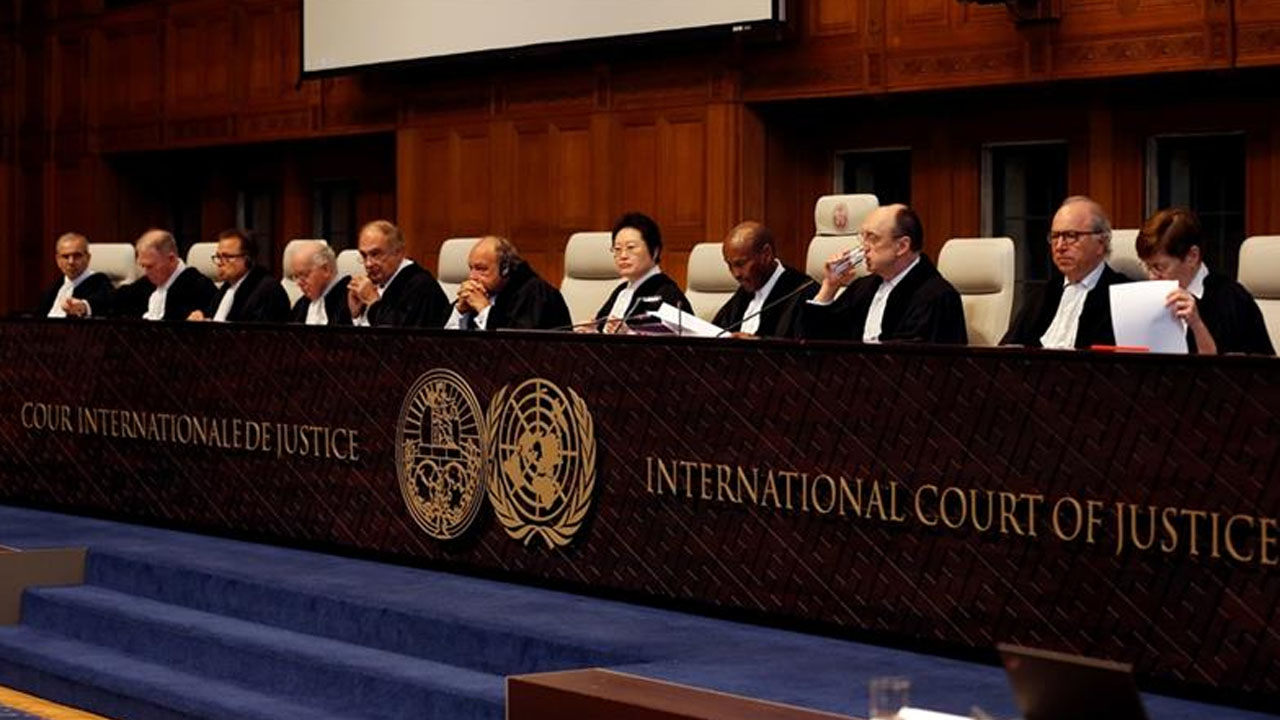
The Permanent Court of Arbitration (PCA), the 127-year-old intergovernmental institution based in The Hague tasked with resolving contractual disputes between nations, handed down its ruling on Monday, finding that Britain bore no liability for two years of outstanding payments. Rwanda argued it was contractually owed under the now-defunct agreement.
The Rwanda scheme, formally known as the UK-Rwanda Migration and Economic Development Partnership, was unveiled with considerable fanfare in April 2022 by then-Prime Minister Boris Johnson, who pitched it as a bold deterrent to the tens of thousands of migrants making perilous crossings of the English Channel each year in small inflatable boats and concealed inside lorries.
Under the arrangement, asylum seekers arriving in Britain through what the government described as “dangerous or illegal journeys” would be transported to Rwanda, where their claims would be processed.
In exchange, Britain committed to substantial financial transfers to Kigali, cash that critics at home argued amounted to an outsourcing of Britain’s legal obligations under international refugee law.
Human rights organizations challenged it in the courts almost immediately, and the legal battles dragged on for two years, consuming enormous public resources before the UK Supreme Court delivered a fatal blow, ruling the policy unlawful because Rwanda could not be considered a safe third country for asylum seekers.
The scheme’s political obituary was written almost the moment Keir Starmer walked into Downing Street. On his first full day as Prime Minister in July 2024, Starmer declared the Rwanda plan “dead and buried,” denouncing it as a “gimmick” that had achieved little beyond draining the public purse.
Interior minister Yvette Cooper was even more withering in her assessment, branding it “the most shocking waste of taxpayers’ money I have ever seen.”
According to the current UK government, the entirety of the Rwanda scheme, which consumed two years of political bandwidth, diplomatic effort, and taxpayer funding, resulted in precisely four people being flown to Rwanda. All four went voluntarily.
The British government’s own records show that approximately £290 million had already been transferred to Rwanda before the plug was pulled, a staggering sum for a program that, by any reasonable measure, never meaningfully launched.
Arguing before the PCA, Kigali maintained that two annual tranches of £50 million each, totaling £100 million, remained outstanding under the terms of the original agreement and had not been honored following the scheme’s termination.
In its ruling, the PCA rejected the £50 million claim for one payment year by a majority of its judges, while unanimously rejecting the claim for the second year, a decisive outcome that gave London a clean sweep on the financial dispute.
Legal analysts noted that the ruling underscores the PCA’s view that Britain’s obligations under the deal did not survive its unlawful status and subsequent abandonment, though the precise legal reasoning behind the split majority and unanimous decisions may become a subject of further scrutiny.
The arbitration ruling lands at a particularly sensitive moment in UK-Rwanda relations, a relationship already under severe stress for reasons extending well beyond the migrant deal.
Britain has sharply cut its foreign aid to Rwanda in recent months, accusing Kigali of providing material support to M23 rebels, an armed group that has destabilized eastern regions of the neighboring Democratic Republic of Congo (DRC), fueling one of Africa’s most protracted and deadly conflicts.
Rwanda has consistently denied direct involvement, but the allegations have drawn widespread international condemnation and placed Kigali increasingly at odds with its Western partners.
For London, Monday’s ruling offers a measure of legal vindication and spares the British taxpayer an additional nine-figure bill for a scheme that delivered almost nothing.
For Rwanda’s President Paul Kagame, it is a courtroom setback that adds to mounting diplomatic pressure from multiple directions.
The Rwanda episode remains one of the most contentious chapters in recent British political history, a saga that exposed deep fault lines within the Conservative Party, inflamed public debate over immigration and sovereignty, and ultimately produced a policy that spent hundreds of millions of pounds moving four people.
As both nations absorb the implications of Monday’s ruling, the broader question of how Britain manages irregular Channel migration and at what cost remains as unresolved as ever.
WHAT YOU SHOULD KNOW
An international court has ruled that Britain owes Rwanda nothing more from their failed migrant deportation scheme, a program that cost British taxpayers approximately £290 million yet managed to relocate just four people, all voluntarily.
Rwanda’s bid to recover an additional £100 million in outstanding payments was rejected outright.