Oil prices edged higher on Thursday as markets anxiously awaited the outcome of the Trump-Xi Beijing summit, a meeting analysts believe could be decisive in shaping the course of a war that has already rattled global energy markets.
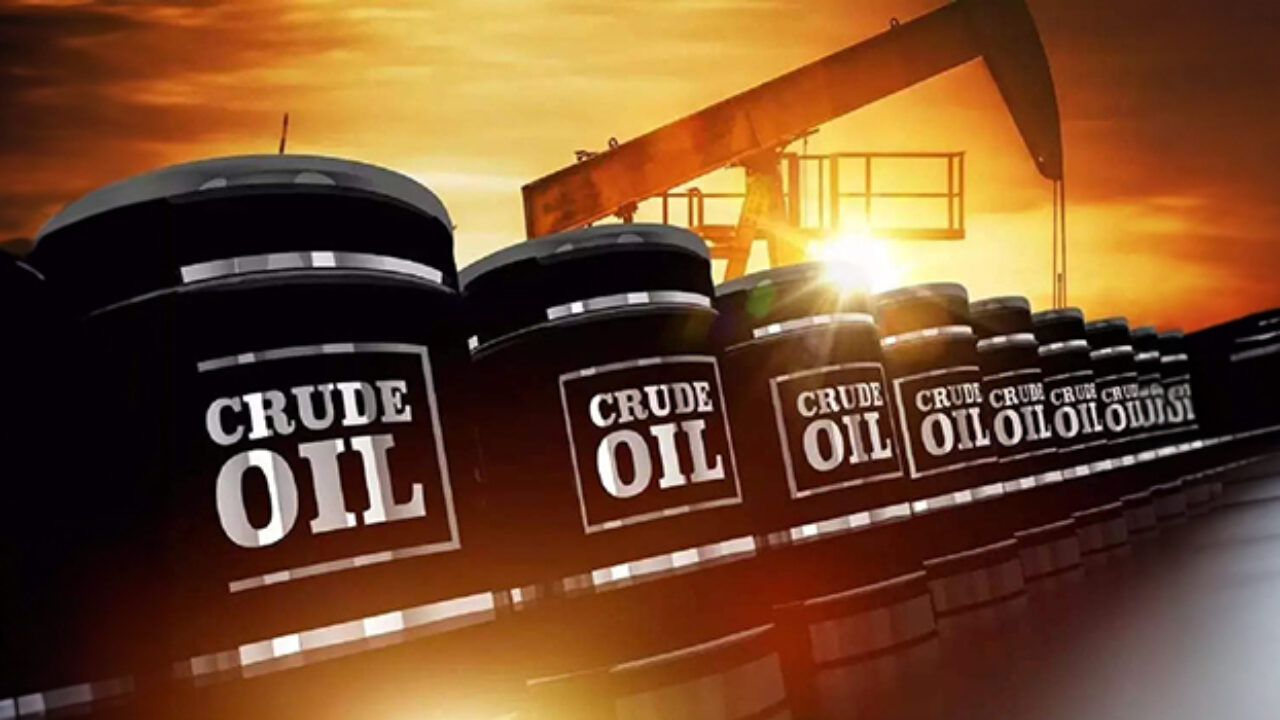
Brent crude futures climbed 45 cents, or 0.43%, to $106.08 a barrel by 07:14 GMT, while U.S. West Texas Intermediate (WTI) futures added 41 cents, or 0.41%, to $101.43, modest gains that nonetheless reflected the cautious optimism gripping traders worldwide.
The two-day summit, held beneath the sweeping grandeur of Beijing’s Great Hall of the People, opened with the kind of pomp and ceremony that Trump himself had teased in advance, describing the gathering as potentially the “biggest summit ever.” But behind the fanfare, the substance of the talks carries consequences far beyond diplomatic protocol.
At the heart of Washington’s agenda is a singular and urgent ask: that Beijing use its considerable influence over Tehran to push Iran toward a negotiated settlement with the United States, effectively ending a conflict that has paralyzed one of the world’s most critical energy chokepoints since late February.
Yet seasoned analysts are urging restraint in expectations. China and Iran share deep, longstanding strategic ties, ties that Beijing has shown little appetite to sacrifice on Washington’s behalf.
Xi, who opened the summit by telling Trump that trade negotiations were making progress, also issued a pointed warning: disagreement over Taiwan, he cautioned, could send the two superpowers “down a dangerous path.”
The remark, reported by China’s state-run Xinhua news agency, was widely read as a reminder that Beijing has its own red lines and its own leverage.
“Oil prices are in a wait-and-see mode,” analysts at ING wrote in a note Thursday, adding a sobering caveat that markets “could be pinning too much hope” on the talks producing any meaningful breakthrough on the Iran war front.
The Strait of Hormuz, the narrow waterway through which roughly 20% of the world’s oil flows, has been largely shuttered since hostilities broke out at the end of February, creating an energy shock not seen in modern history.
In a stark illustration of just how dire the situation has become, a Chinese supertanker carrying two million barrels of Iraqi crude made international headlines on Wednesday not for any extraordinary feat of navigation, but simply for managing to exit the strait.
It was only the third oil tanker to do so since the war began. The vessel had been stranded in the Gulf for more than two months.
Far from showing signs of yielding, Iran appears to have consolidated its grip on the waterway. Tehran has been quietly cutting deals with Iraq and Pakistan to route oil and liquefied natural gas through alternative channels, signaling that it is preparing for a prolonged standoff and is under no immediate pressure to negotiate.
“Failure to make meaningful progress on reopening the strait could leave the U.S. with few options other than renewed military action,” warned Tony Sycamore, an analyst at IG, in a note that underscored the precariousness of the current stalemate.
The IEA dramatically revised its earlier outlook, which had projected a global oil surplus for the year, warning instead that global oil supply will fall significantly short of total demand in 2025 as the war continues to devastate Middle East production and draws down inventories at what the agency described as an unprecedented pace.
Those supply fears are colliding with an equally complex macroeconomic environment. Oil prices tumbled on Wednesday, Brent losing more than $2 a barrel and WTI dropping more than $1, as investors fretted over the prospect of further U.S. interest rate hikes, with persistently elevated fuel prices feeding inflationary pressures that central bankers are scrambling to contain.
As the summit continues into its second day, the world’s energy markets will be parsing every word, every communiqué, and every carefully worded diplomatic statement for signs of progress.
The variables are daunting: a war with no clear end in sight, a critical shipping lane under the control of a defiant Tehran, a China reluctant to overplay its hand against an old ally, and an American president betting that personal diplomacy can accomplish what military pressure has so far failed to deliver.
WHAT YOU SHOULD KNOW
The world is watching Beijing. The Trump-Xi summit is the single most important variable in global energy markets right now, but optimism should be measured.
Iran has dug in, the Strait of Hormuz remains effectively closed, and China has little incentive to strong-arm a key strategic ally.
The IEA is now projecting a global oil supply shortfall where it once forecast a surplus, and no oil tanker movement through the strait beyond a trickle. The energy crisis is real, deepening, and dangerously close to forcing Washington’s hand toward military escalation.