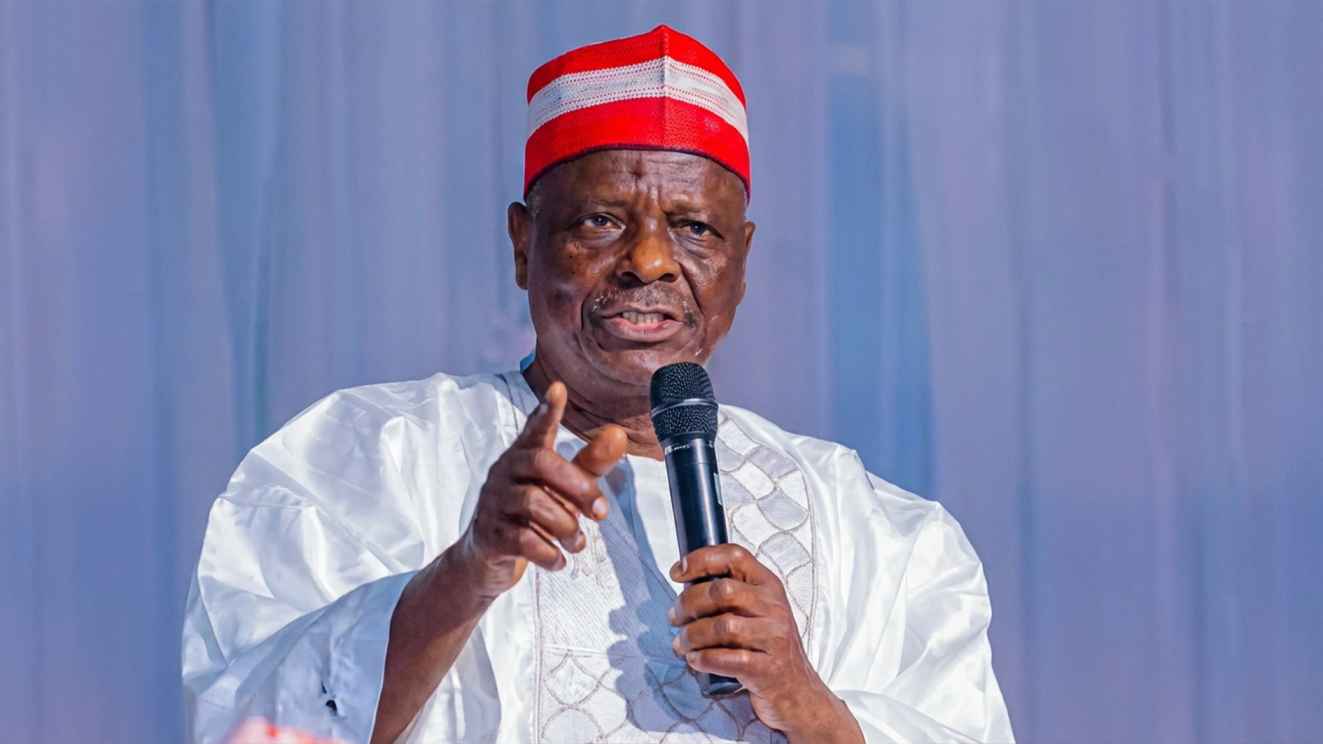
A chieftain of the Nigeria Democratic Congress, Rabiu Musa Kwankwaso, has said the death of former President Umaru Musa Yar’Adua created the confusion surrounding power rotation between Northern and Southern Nigeria.
Kwankwaso stated that zoning the 2027 presidential ticket to Southern Nigeria remains the most practical solution to ending the prolonged debate over regional power rotation.
He made the remarks during an interview on PrimeTime on Monday while defending the NDC’s decision to zone the party’s presidential ticket to the South.
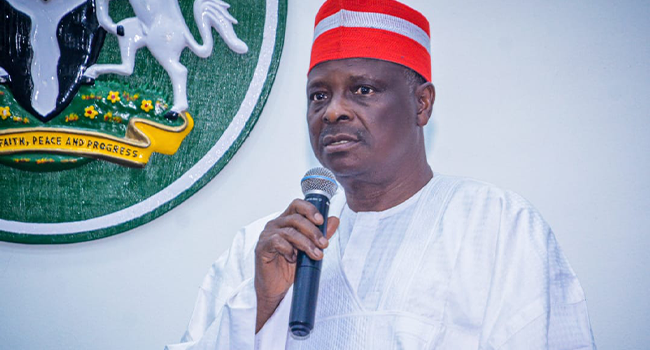
According to him, the disruption caused by Yar’Adua’s death in office altered the political balance and introduced complications into Nigeria’s informal power-sharing arrangement.
“We believe the best way to go now is to take it to the south so that we can eliminate the confusion, the confusion that emanated from the death of our brother, our friend, Umar Musa Yar’adua. That actually introduced the confusion into the system,” he said.
Yar’Adua, who was elected president in 2007, died in office in May 2010 after a prolonged illness.
As a result, his vice president, Goodluck Jonathan, who is from Southern Nigeria, completed the remainder of his tenure before winning a full presidential term in 2011.
That transition has remained central to arguments over how Nigeria’s power rotation principle should be interpreted.
Kwankwaso acknowledged that different political actors calculate the zoning arrangement differently depending on where they begin counting presidential terms.
“One can argue that from 1999 to date, the south has done more years than the north. But it depends on how it suits you,” he stated.
However, he said the NDC had resolved the debate by adopting what he described as a cleaner reference point.
According to him, the party chose to count from the end of the administration of former President Muhammadu Buhari.
“What worked now is counting from Buhari. Anybody from the south on that side of argument would say that Buhari had eight years and the south is now doing its first term. In the next one year or so, it will be four years,” he explained.
Kwankwaso disclosed that northern political leaders who joined the NDC accepted the southern zoning arrangement without resistance.
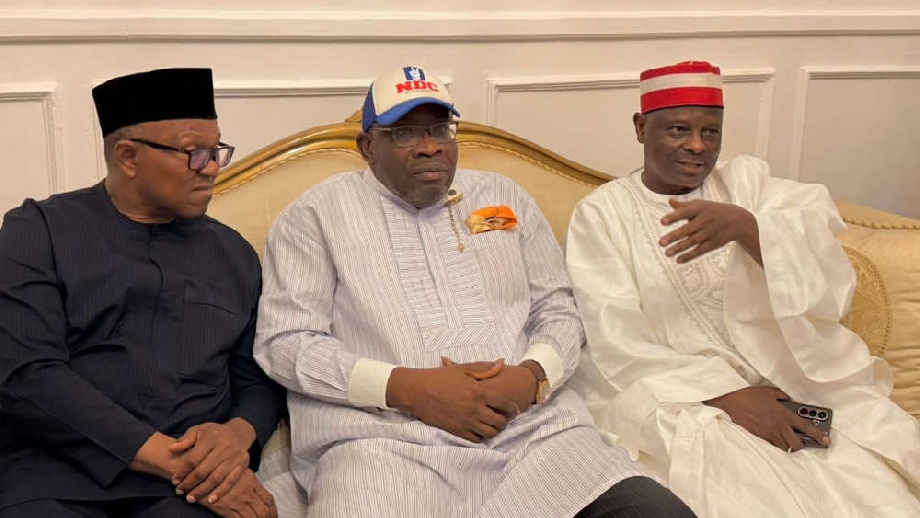
He said the decision was made in the interest of national unity and political stability.
“Almost all of us joining from the north, we accepted. There is no point in fighting,” he said.
The former Kano governor stressed that while zoning remains important for political balance, it should not overshadow the need for competent leadership.
He argued that the real challenge facing Nigeria is not which region produces the next president, but whether the country gets effective leadership.
“What is key now is not presidency from the north or from the south. What is key is to have quality leadership, people who are enthusiastic, determined and committed to give the country the leadership it deserves,” he added.
Kwankwaso formally joined the NDC on May 3 alongside Peter Obi after both politicians defected from the African Democratic Congress amid internal disagreements.
At its national convention in Abuja, the NDC officially ratified the decision to zone its 2027 presidential ticket to Southern Nigeria for a single four-year term.
The arrangement provides for the automatic return of the presidential ticket to Northern Nigeria in 2031.
The move is widely seen as a strategic effort to build consensus within the opposition coalition ahead of the 2027 general elections.
What You Should Know
Nigeria’s zoning principle is an informal political arrangement aimed at balancing presidential power between the North and South.
The debate intensified after Yar’Adua’s death in 2010, when Jonathan completed his term and later won election in 2011, raising disputes over whether the North lost part of its turn.
Kwankwaso’s comments reflect the NDC’s attempt to settle that dispute by adopting a new political calculation designed to strengthen opposition unity ahead of 2027.